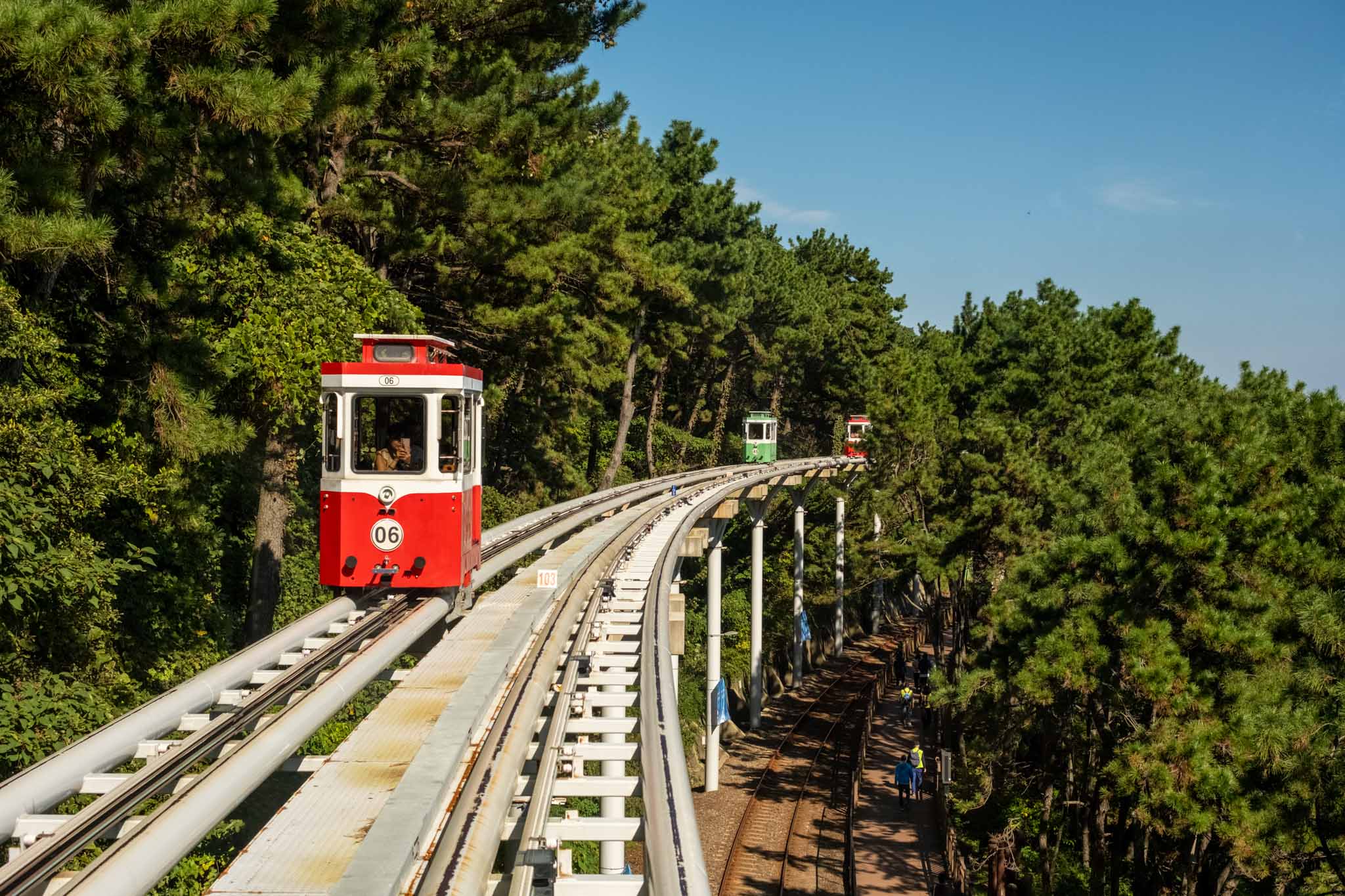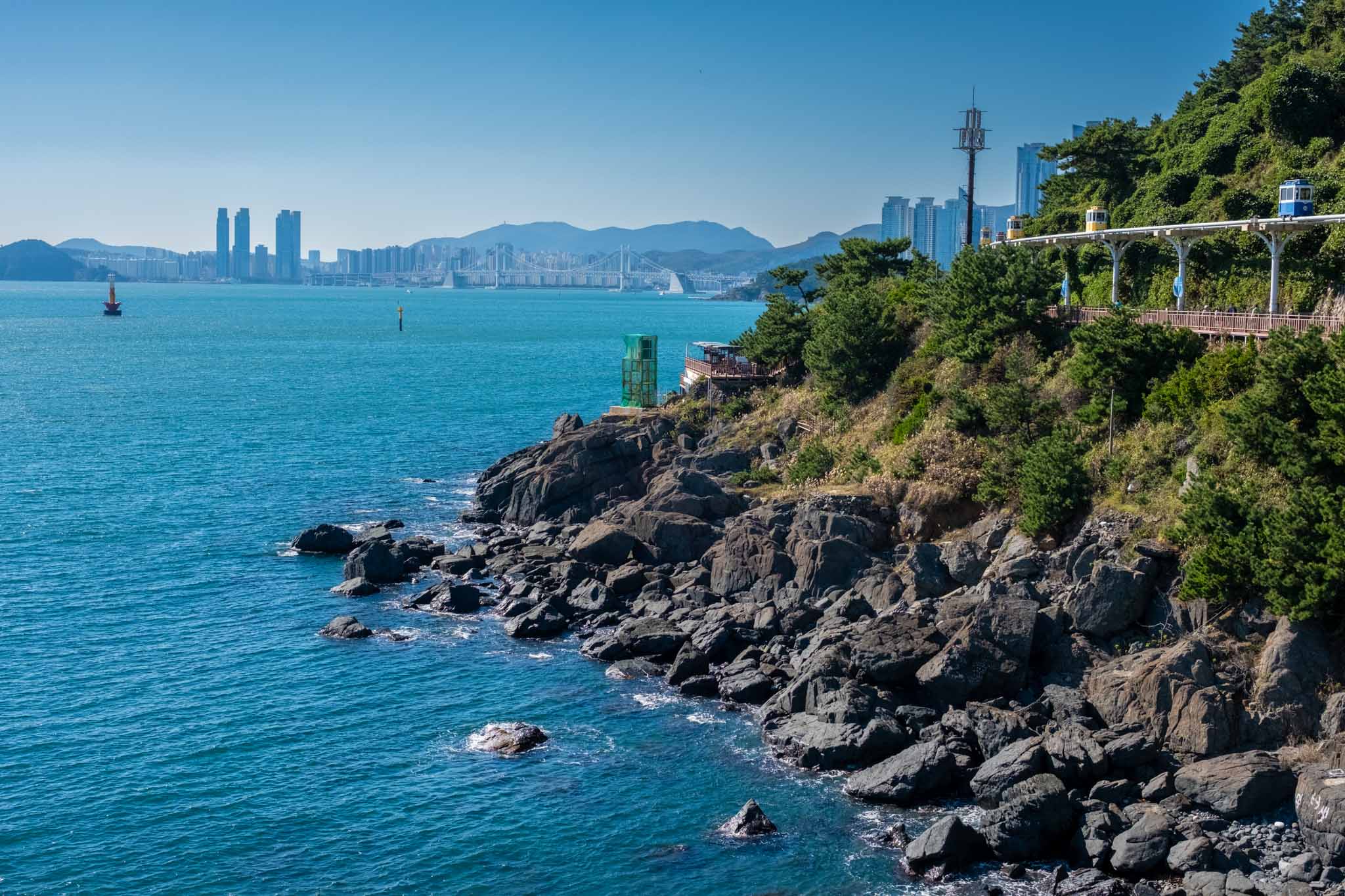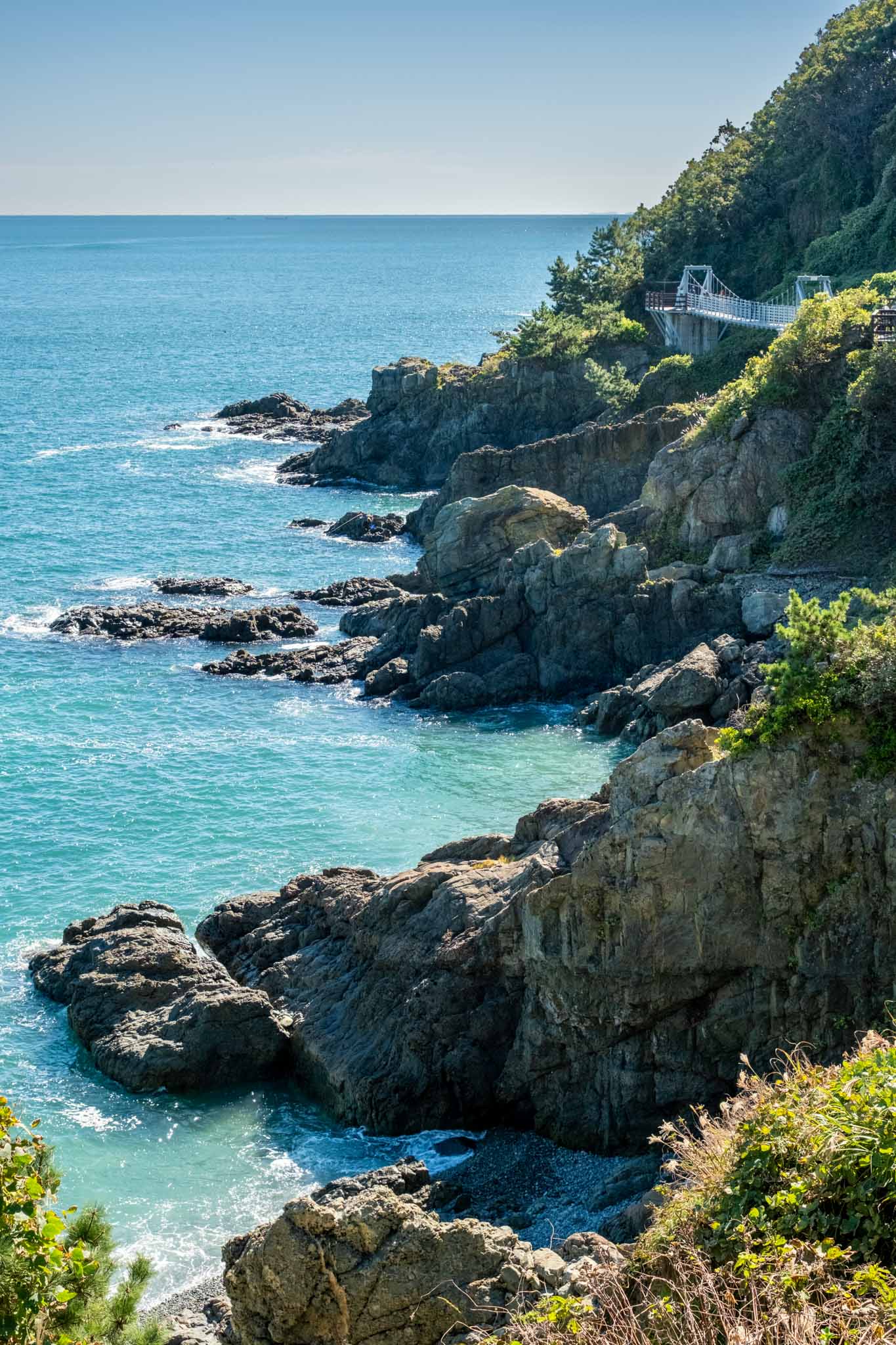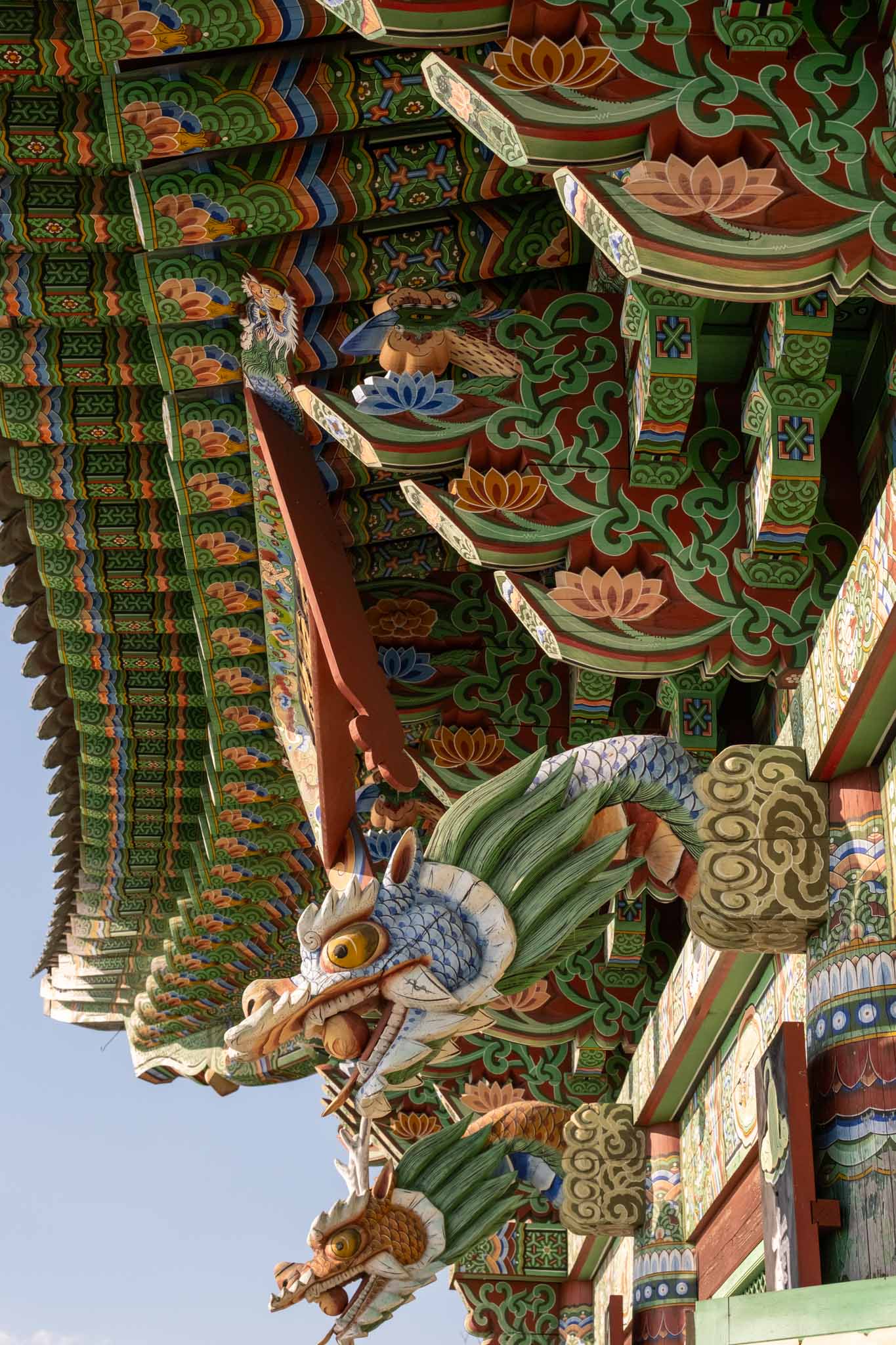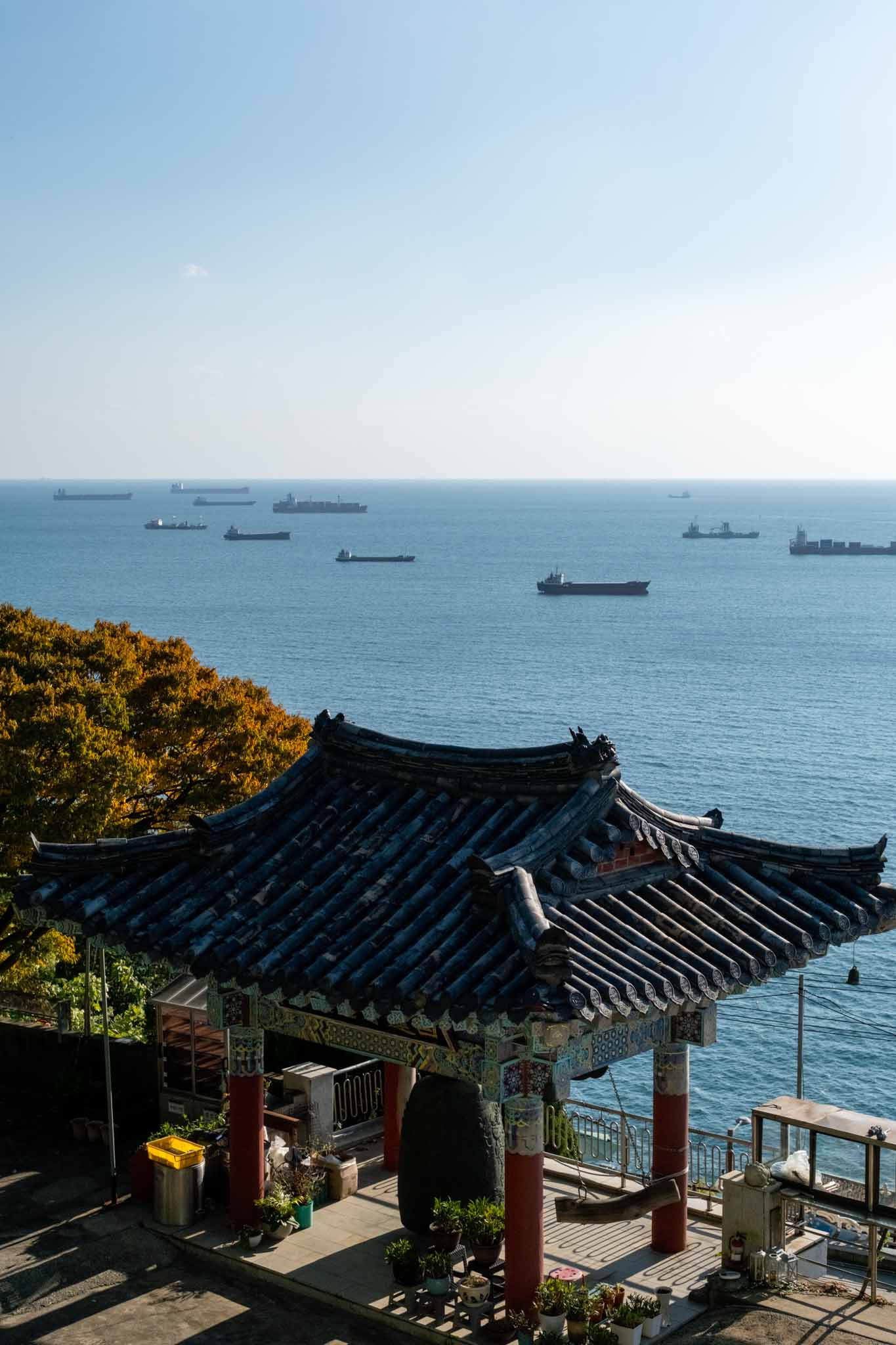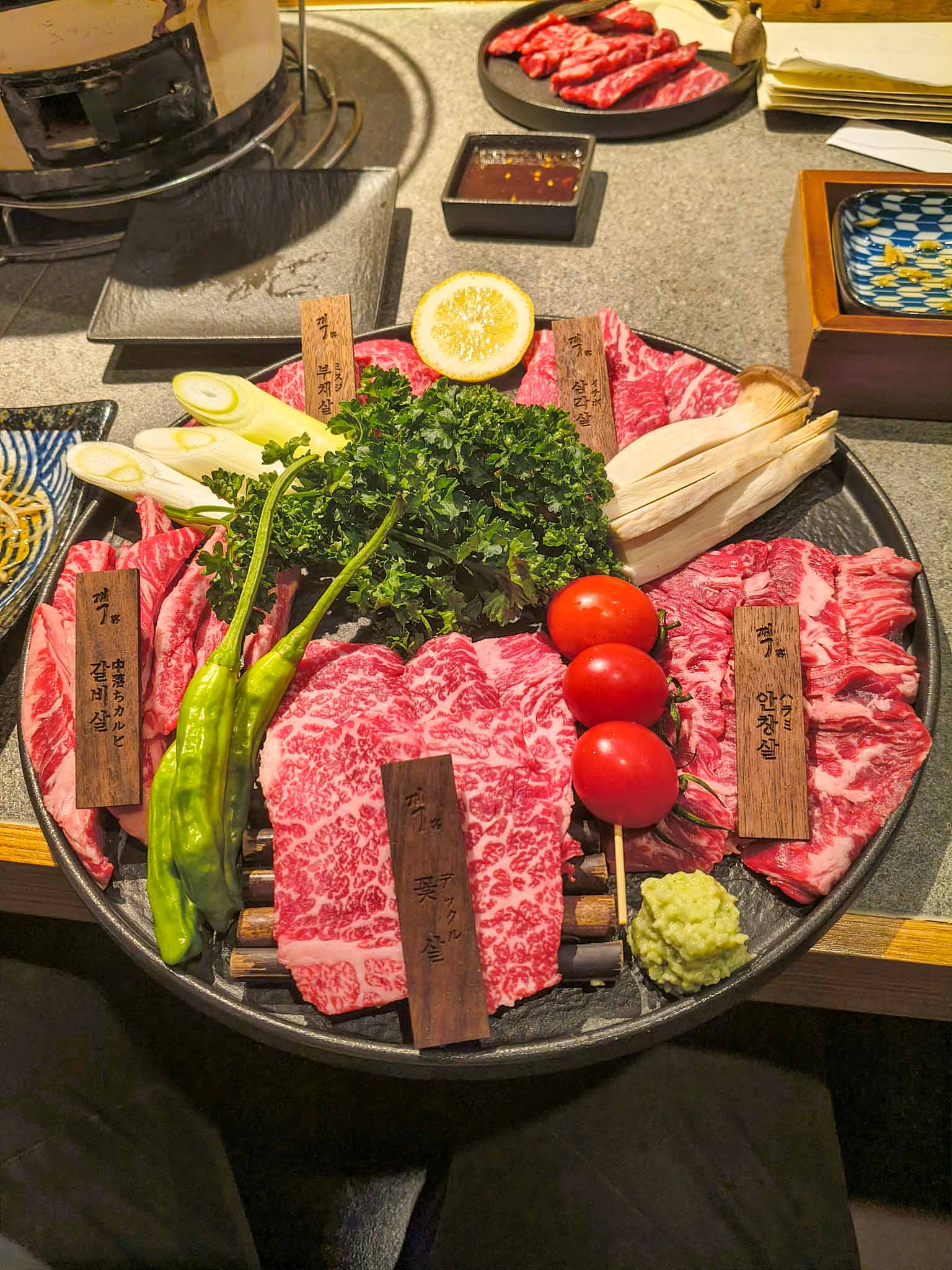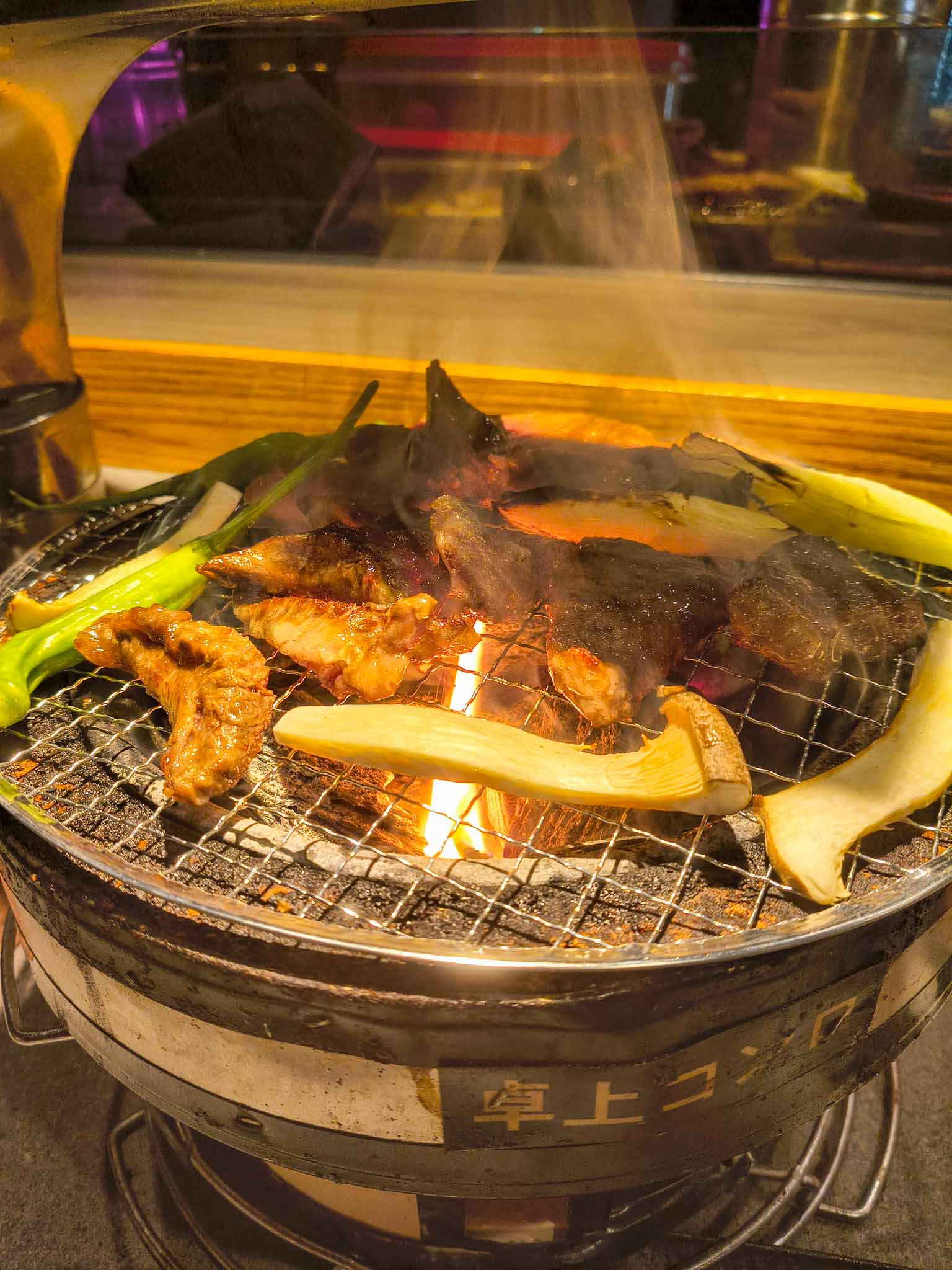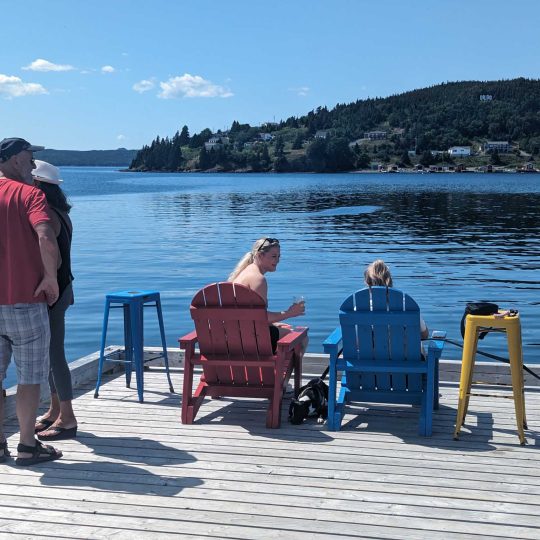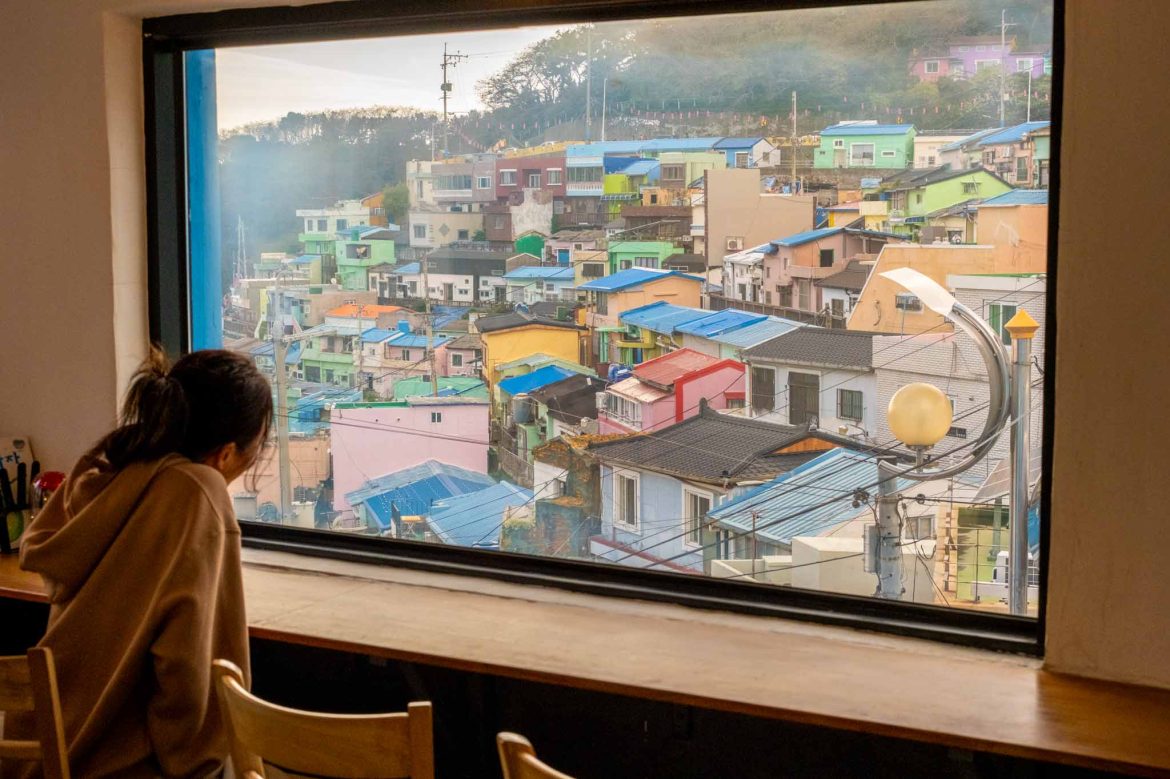
My body was severely deficient in Korean BBQ: it had been six years since I last traveled to South Korea. This trip, I entered the country through Busan, a coastal city and the country’s second-largest, which I hadn’t yet visited (Busan had been on my travel list since my first visit to Seoul in 2015). I stayed for 10 days and thoroughly enjoyed exploring the city, which was quite different from Seoul, as it is a coastal city, smaller, and with accessible nature on its outskirts. I was fortunate because my workload was especially low, and so I mostly avoided late-night meetings with my USA-based clients and colleagues.
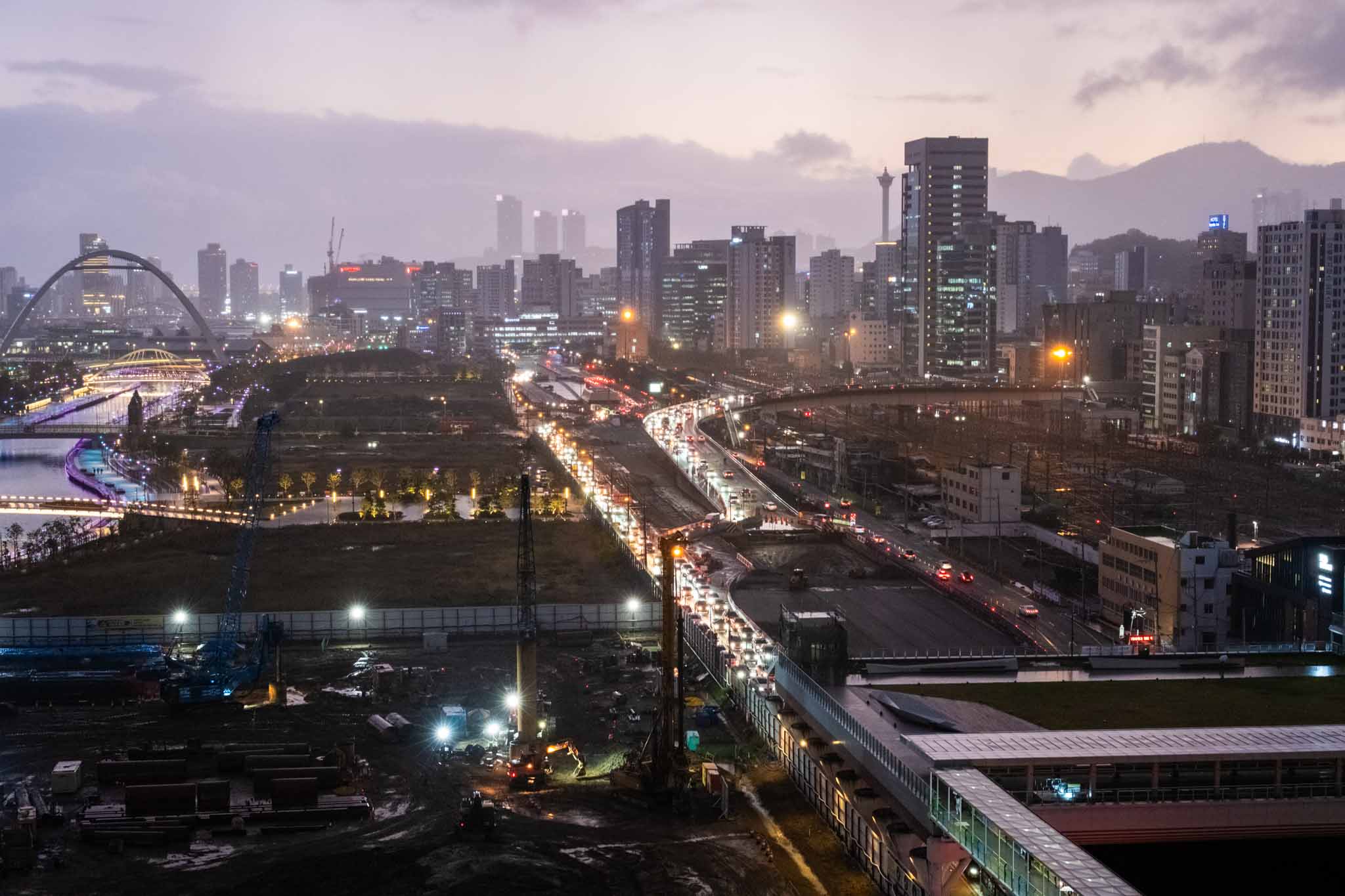
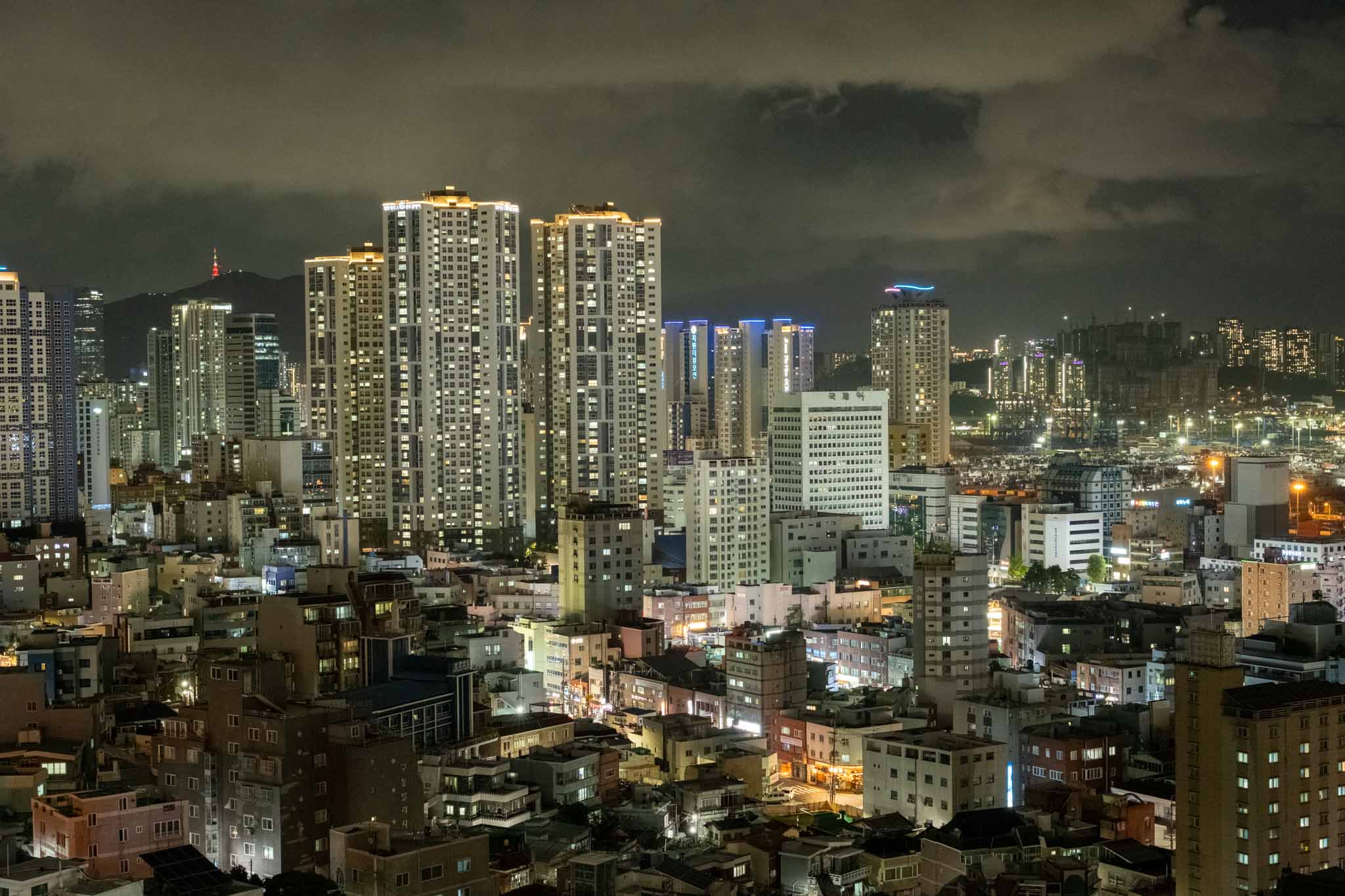
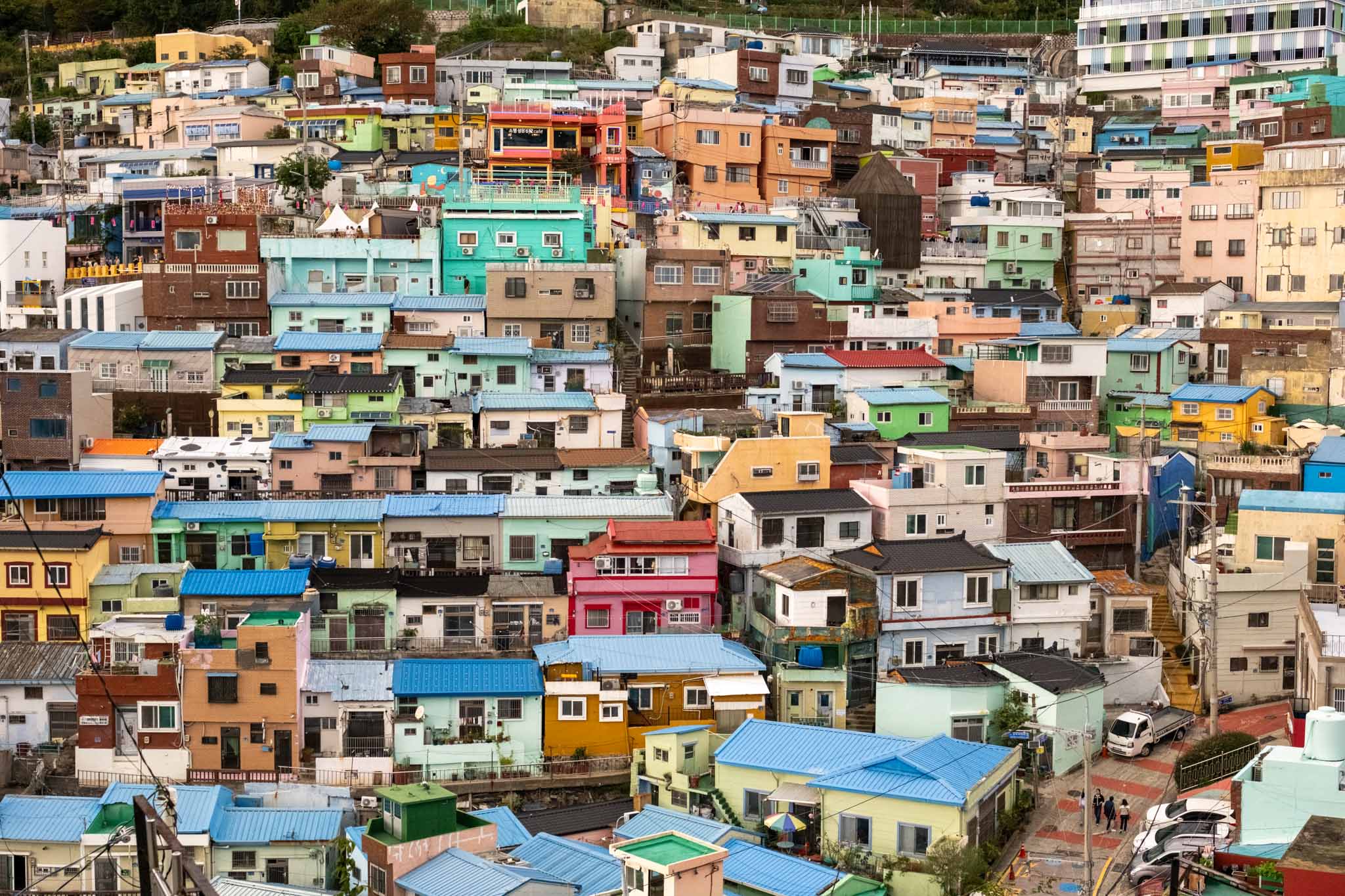
Busan is an ideal destination for anyone seeking to explore South Korea. It felt larger than I had anticipated, but I was never in a crowded or noisy place. Instead, the city streets and roadways seemed orderly, clean, and relaxed. You could spend weeks here without talking to anyone, owing to the local, seemingly introverted culture, which, while respectful of foreign tourists, does not seem concerned with them. Coming from Italy, it was a refreshing break not having to dodge street vendors or tourist traps. Despite obviously being a foreigner, I felt invisible, which I completely relish whenever I get the chance — it helps perpetuate my fantasy that I live like a local, so much so that at times I am actually invisible to everyone else. A common complaint I have heard from others who share my lifestyle is that this invisibility can be lonesome; however, to me, it feels more like freedom.
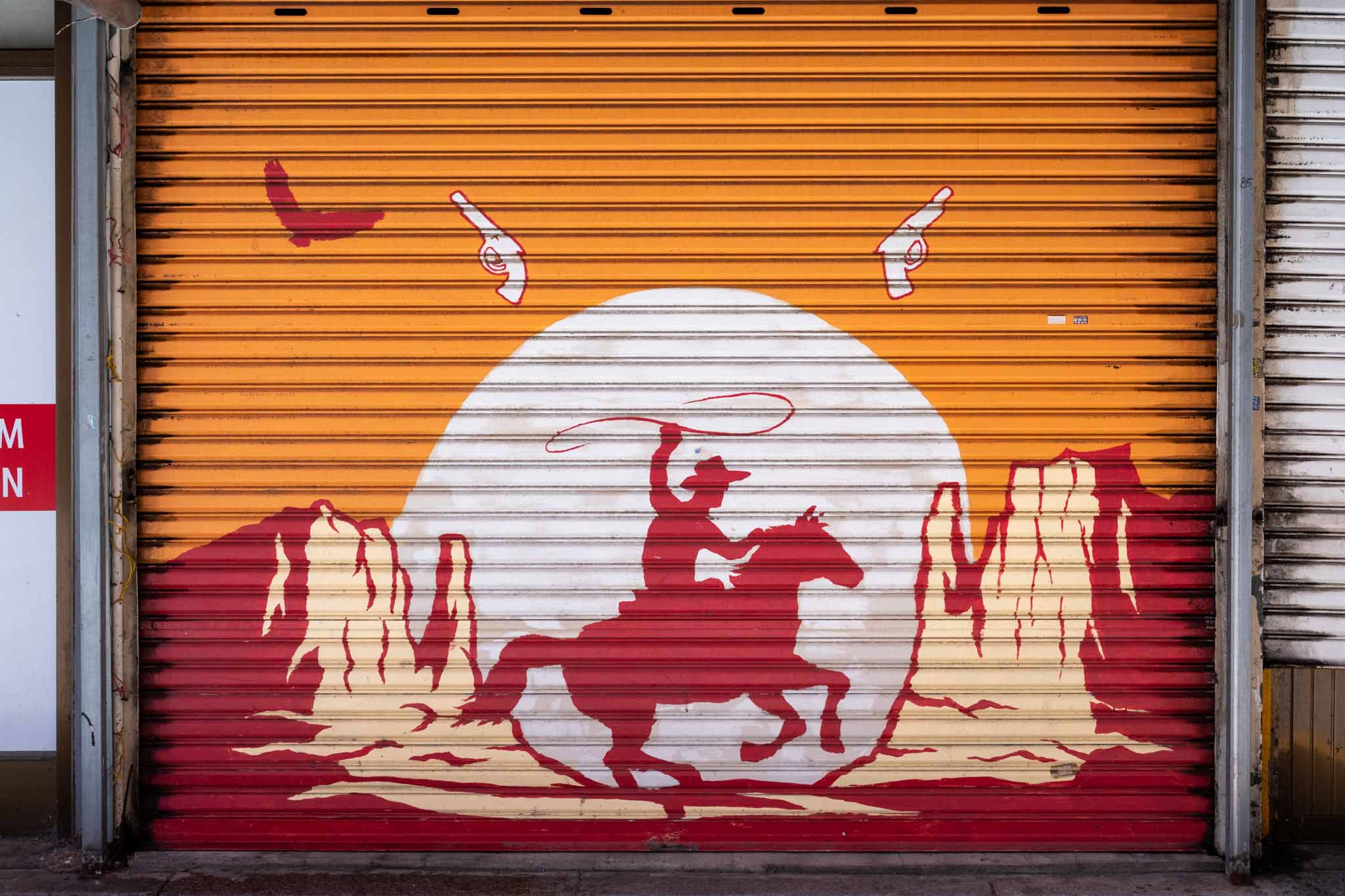
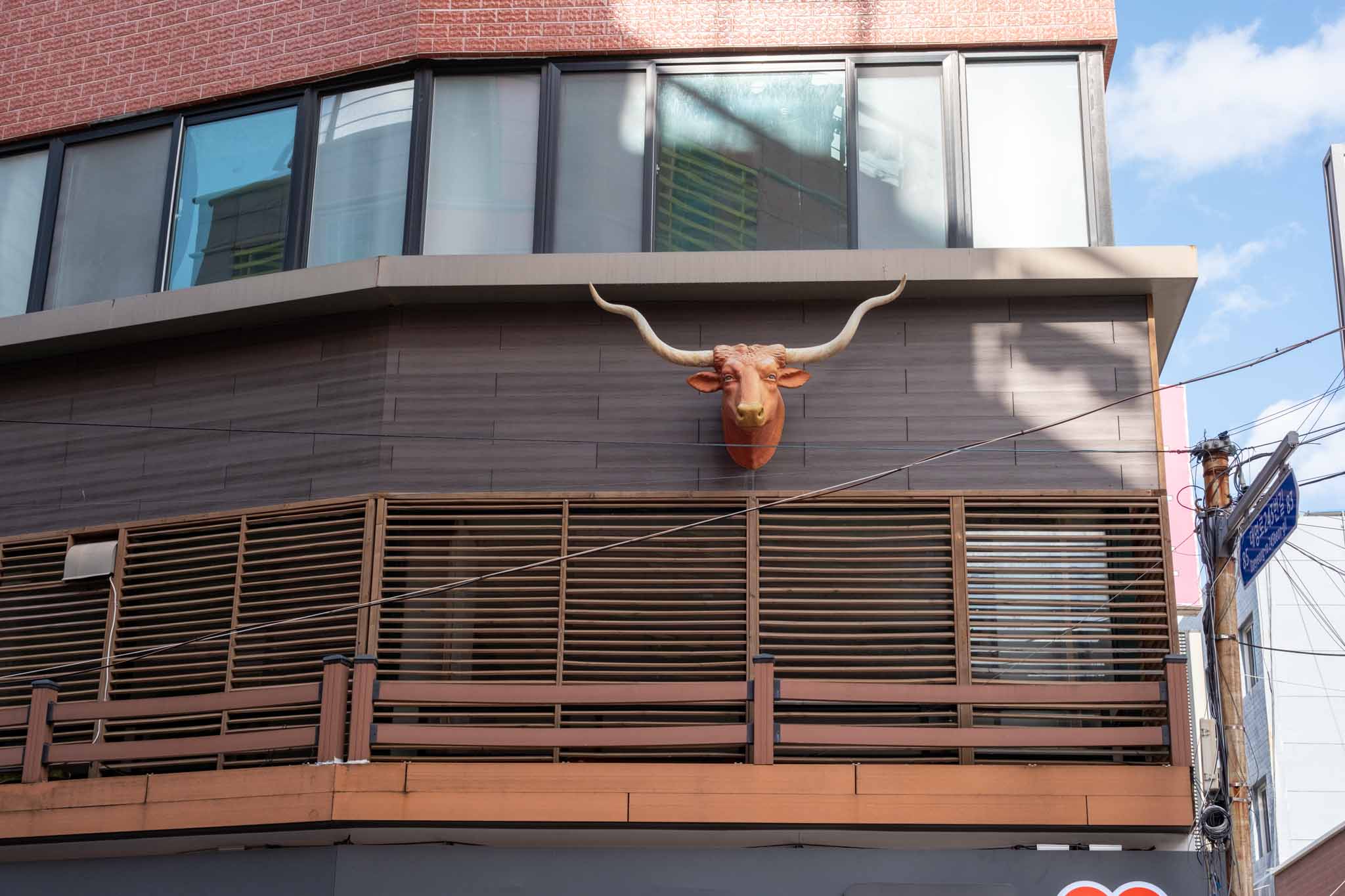


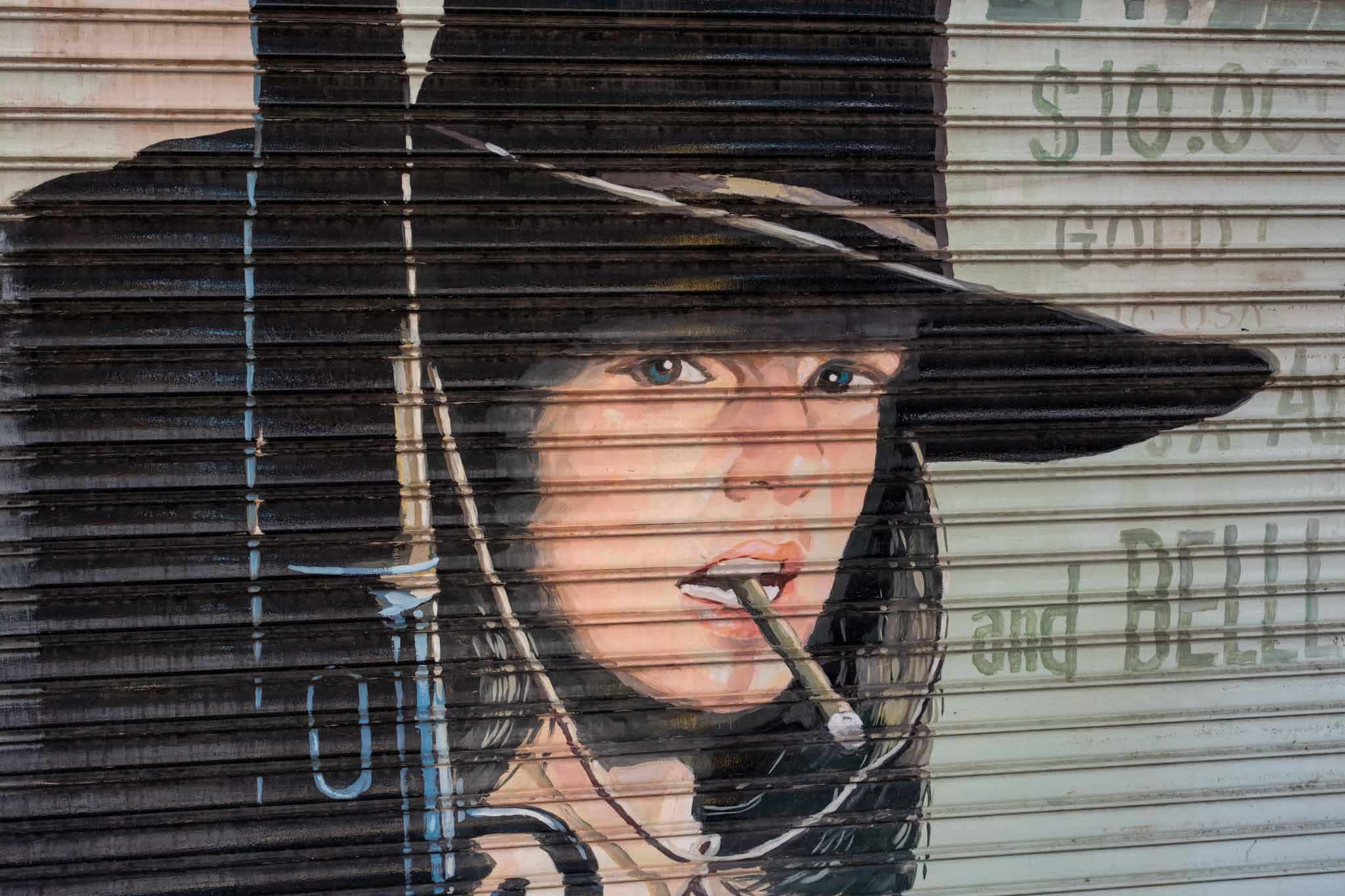
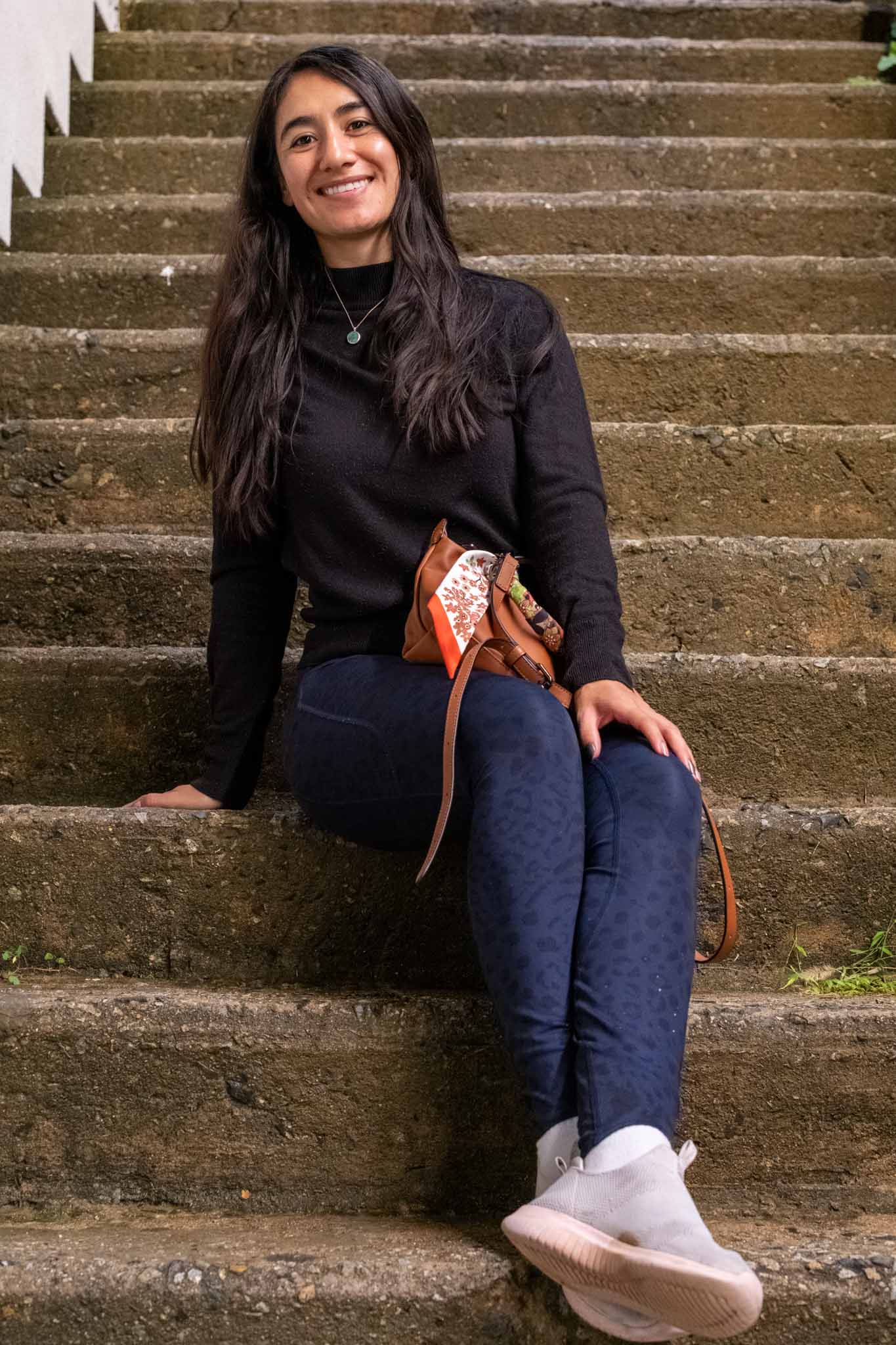
I met Mavel, also an international travel adventurer, in Busan, and it was her first time visiting as well. We were both working, so our days took shape around a simple routine: hunting down cafés with good coffee, reliable Wi-Fi, and enough quiet to actually get things done. At the end of the day, we’d reset our brains with a short walk, then find great food. Mavel made the city more lively and as though I was a little less invisible.
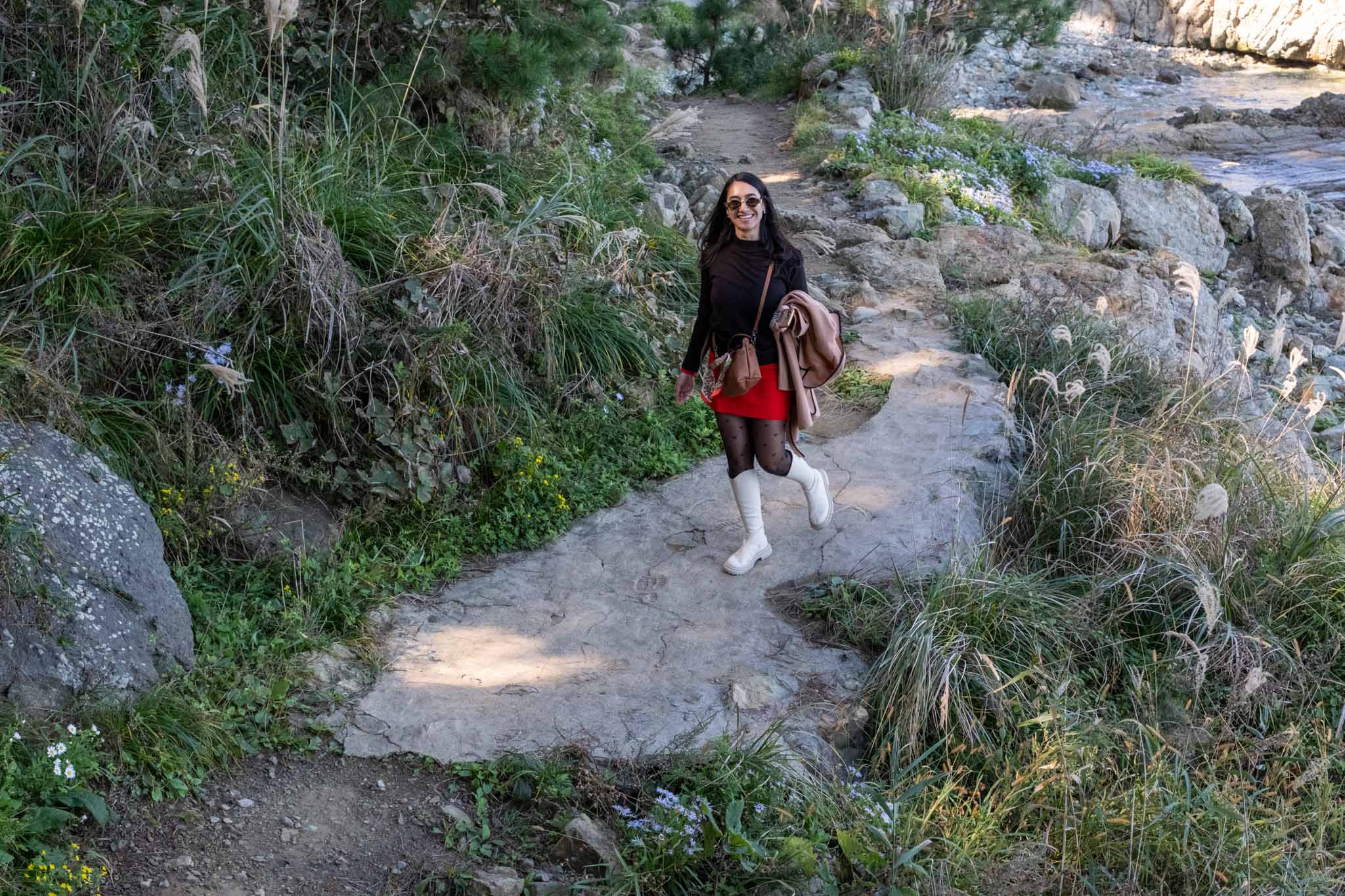
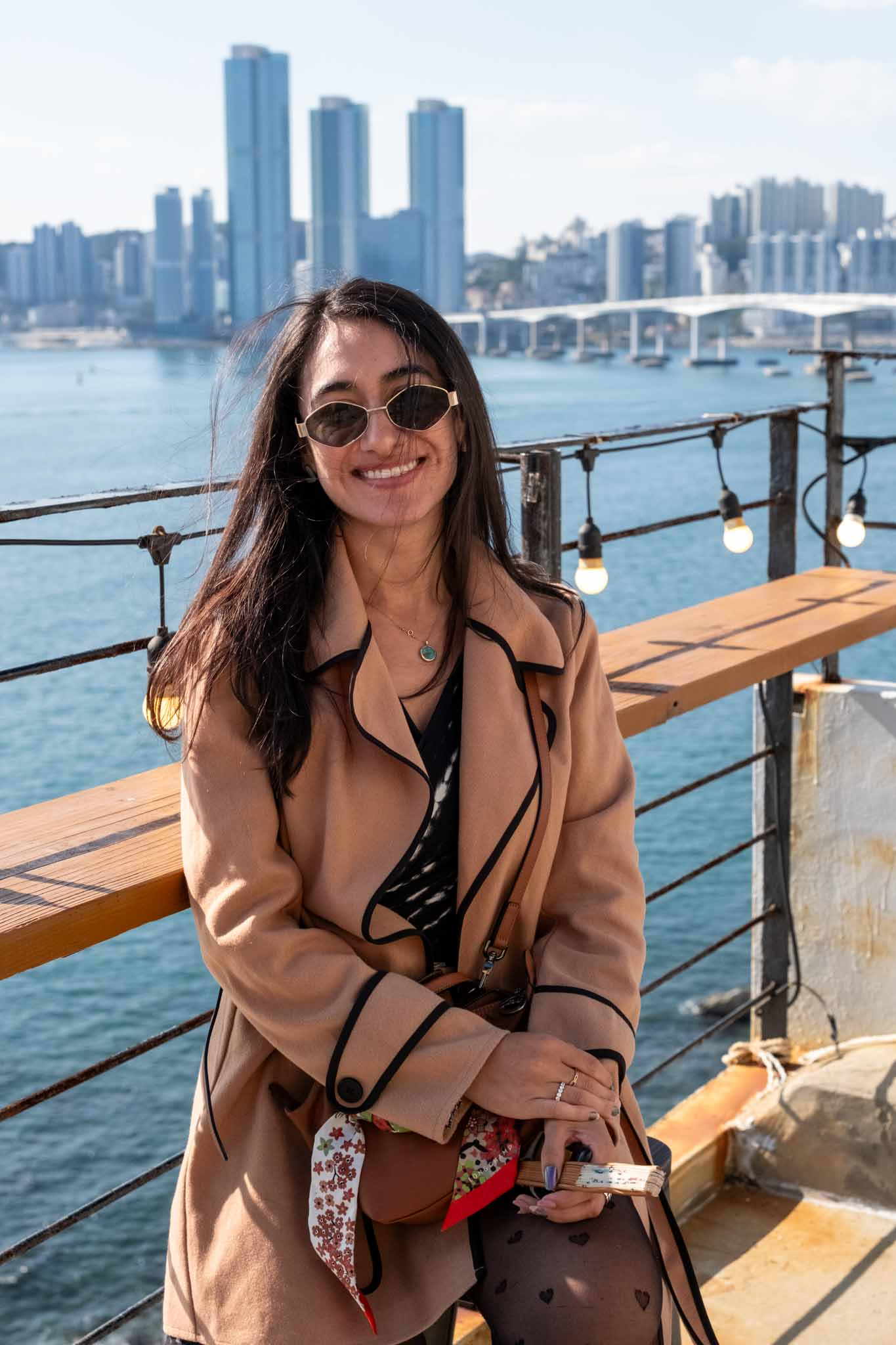
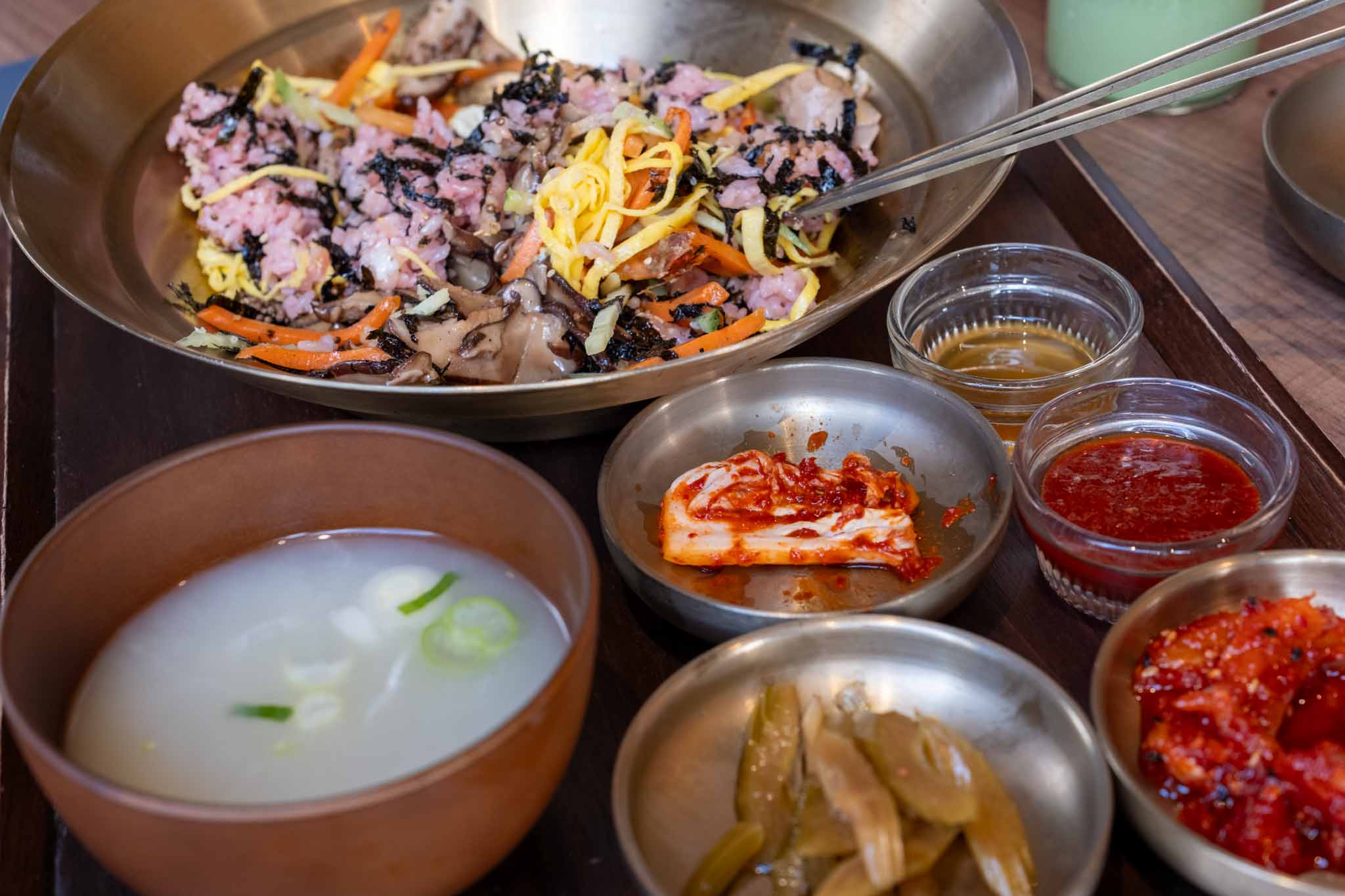
I think we ate BBQ every night for two weeks. The lone (accidental) exception occurred after sitting down in a raw fish restaurant. I ordered what seemed to be an assortment of sashimi, but that assortment also included live shrimp (still alive) that the waitress demonstrated should be eaten raw, while still wriggling. Similarly, the baby octopus tentacles served were writhing on the plate, having just been severed from the body. Apparently, they were most desirable to eat while trying to avoid being snatched by chopsticks. It felt like I was committing heresy against my time in the Maldives, where I had befriended local octopuses. “I have become a monster,” I thought to myself as as ate up the little octopus tentacles so that I wouldn’t have to look at them anymore. ; they fastened themselves to my dinner plate (not kidding), hanging on for dear life. I should be more careful in my choice of dinner establishments to avoid causing such pain and suffering.
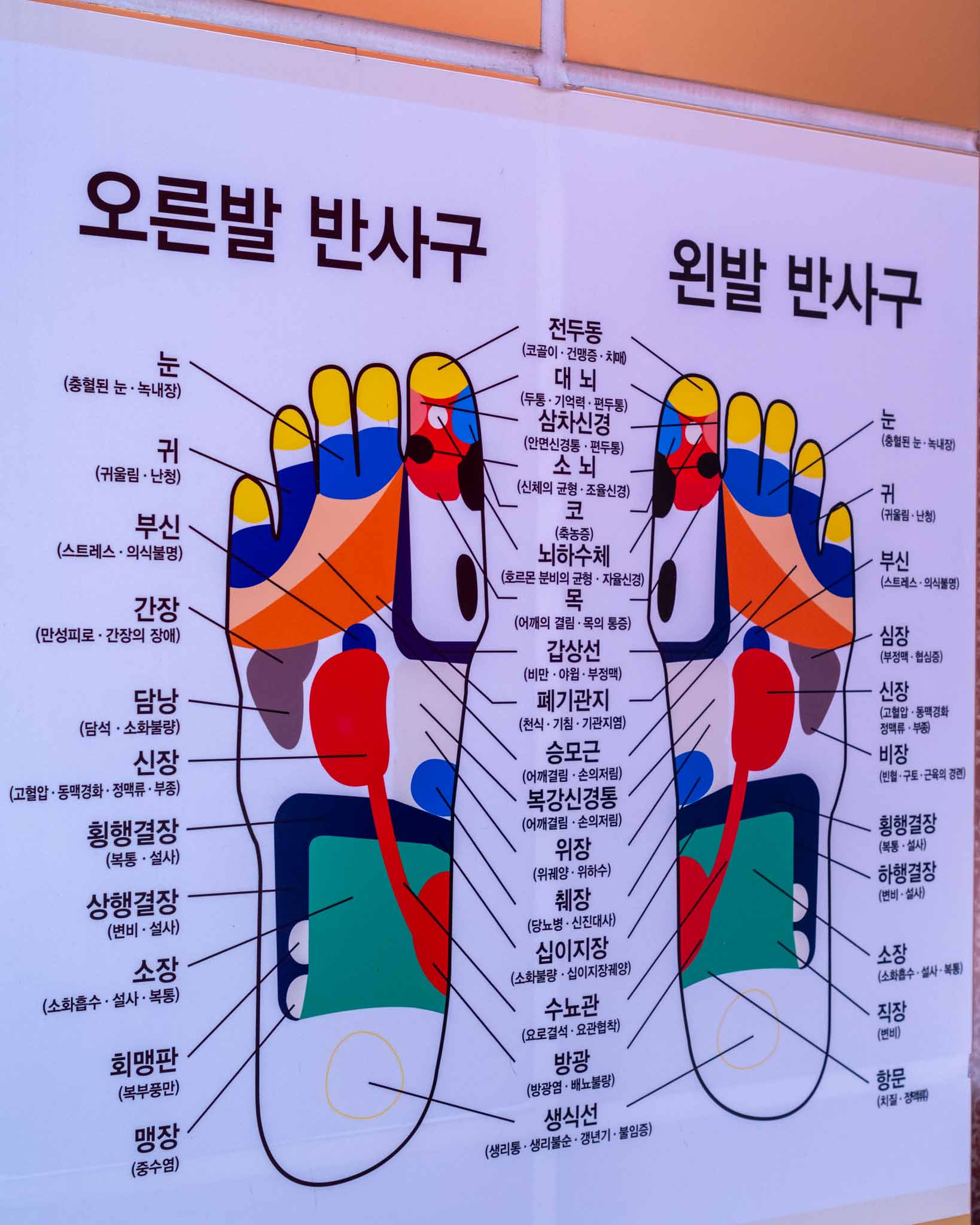
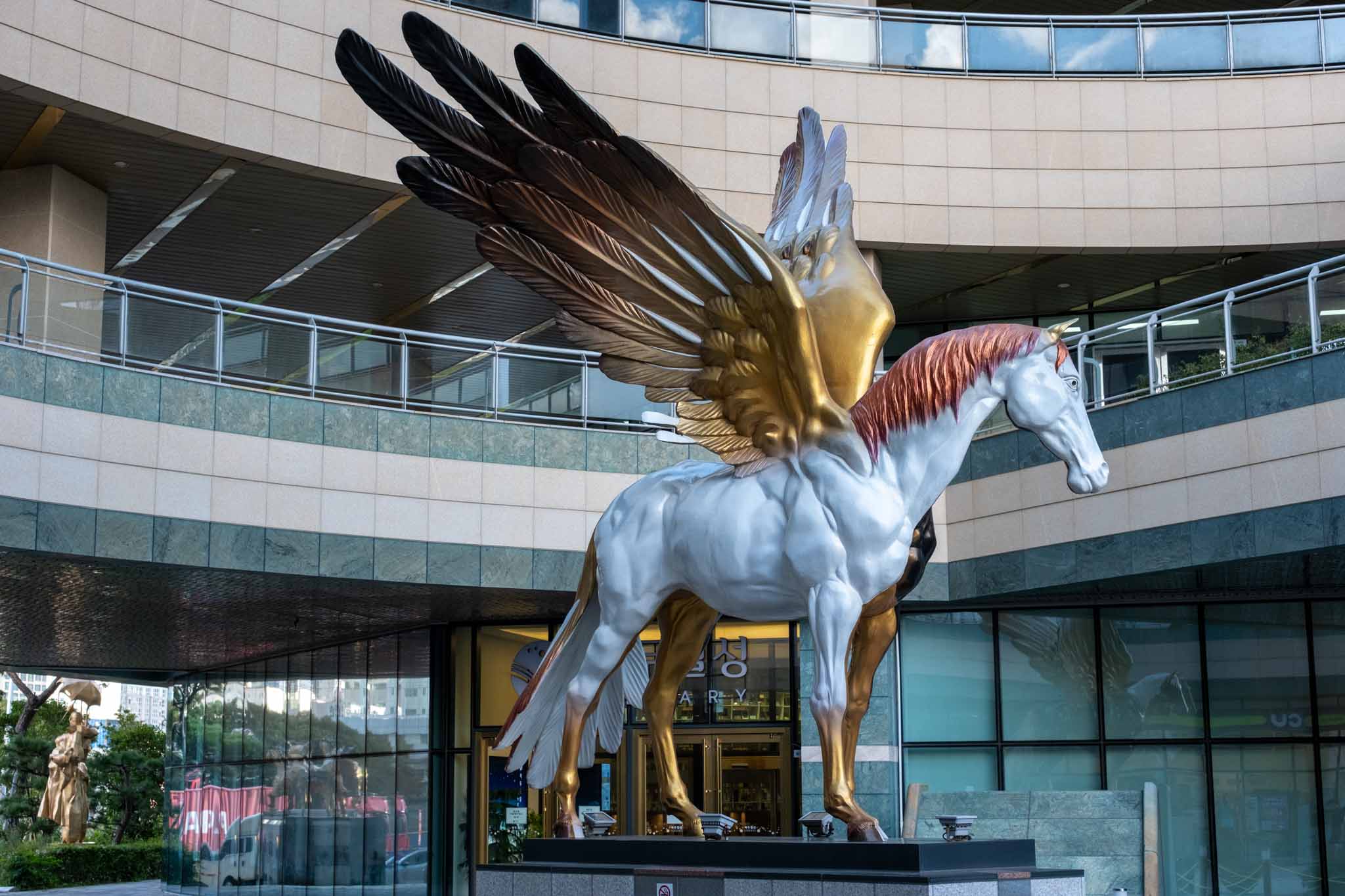
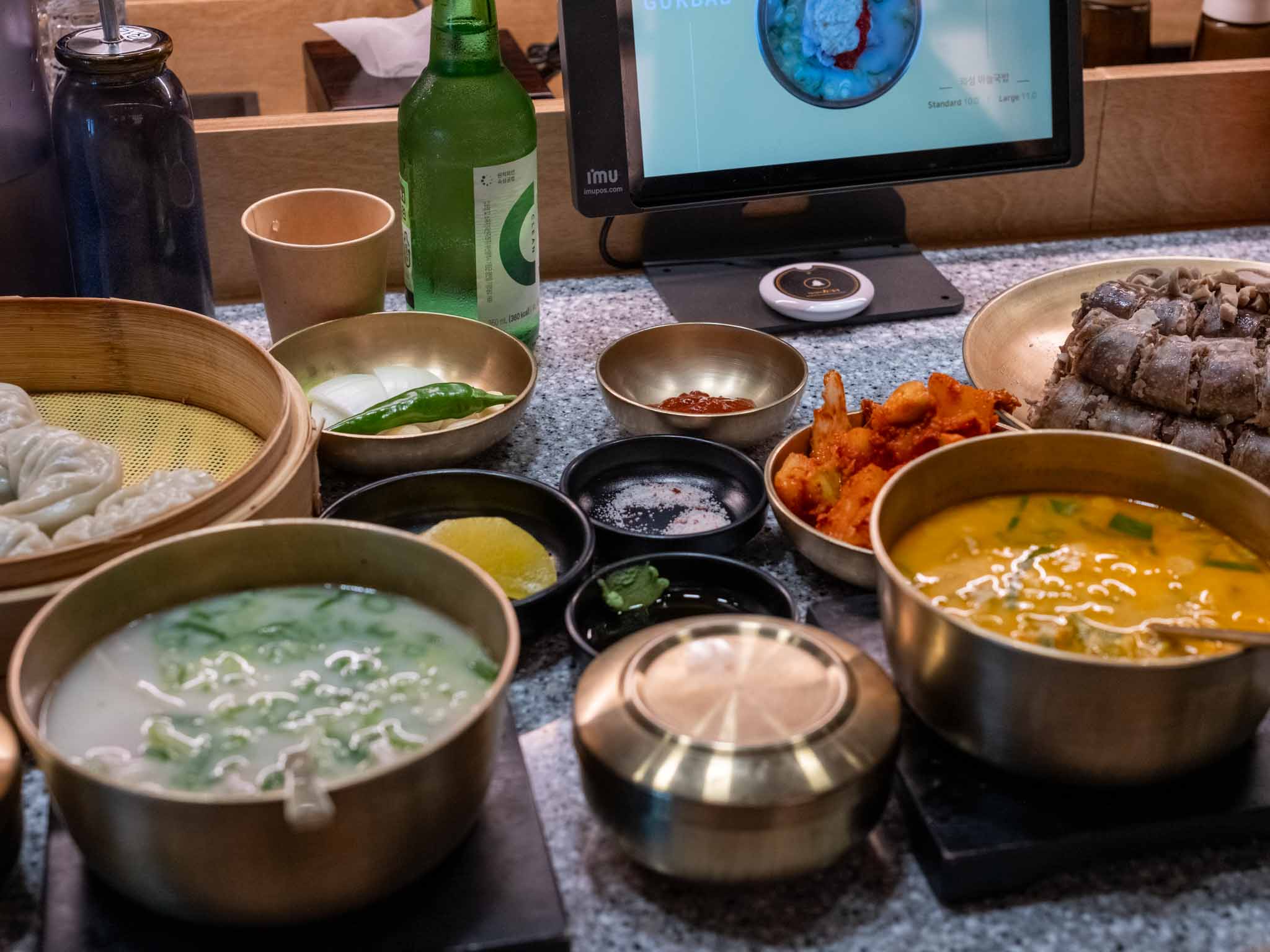
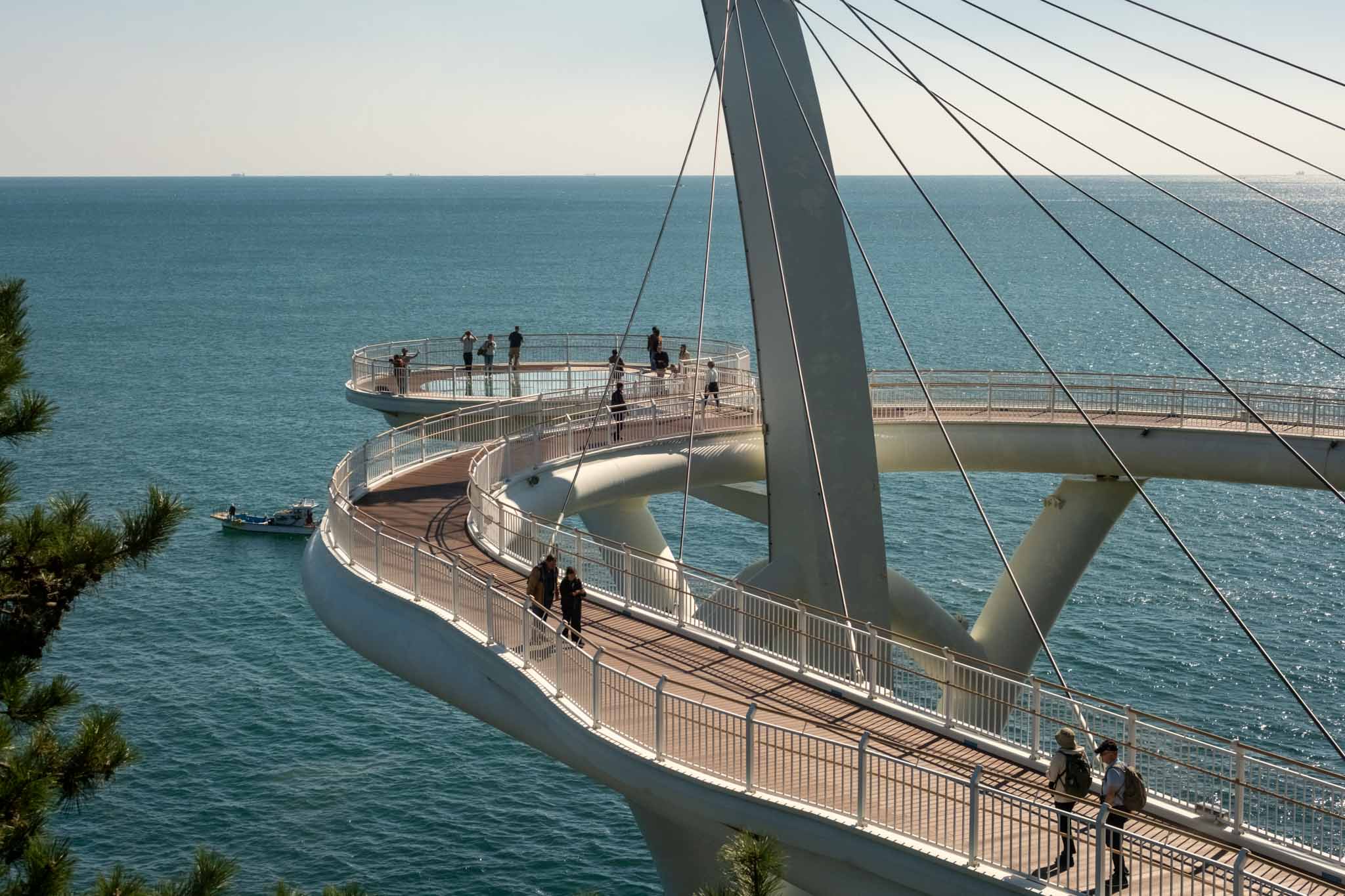
Busan has enough neighborhoods to explore to fill two weeks of vacationing. I didn’t do any pre-planning and was able to pick museums, scenic coastal walks, and easily accessible attractions each day to venture to. Uber is ubiquitous, and many more people were speaking English than the previous time I had visited South Korea. Credit cards are used for almost everything (except purchasing public transportation tickets), making purchases effortless. I took more Uber taxis than I had anticipated needing, due to the lack of cash to purchase a bus or subway pass; ATMs can be difficult to find, which was surprising. Most restaurants have electronic menus that allow you to order in English and pay your bill immediately, and my favorite Asian restaurant feature is the push-button waiter caller (I really wish they had these everywhere). All of these things make Busan, and South Korea in general, a great destination for those looking to explore without encountering high Asian travel friction.
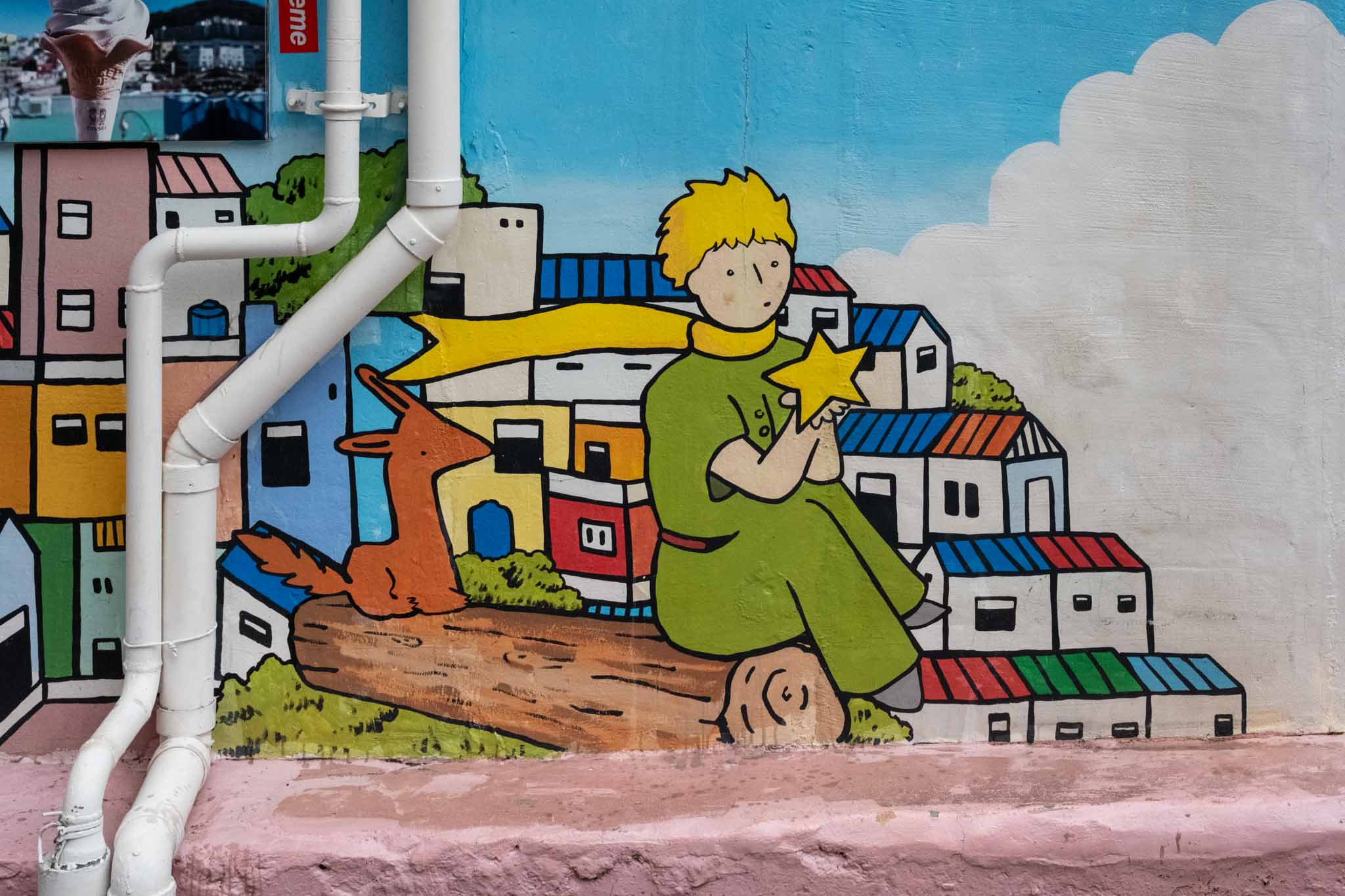
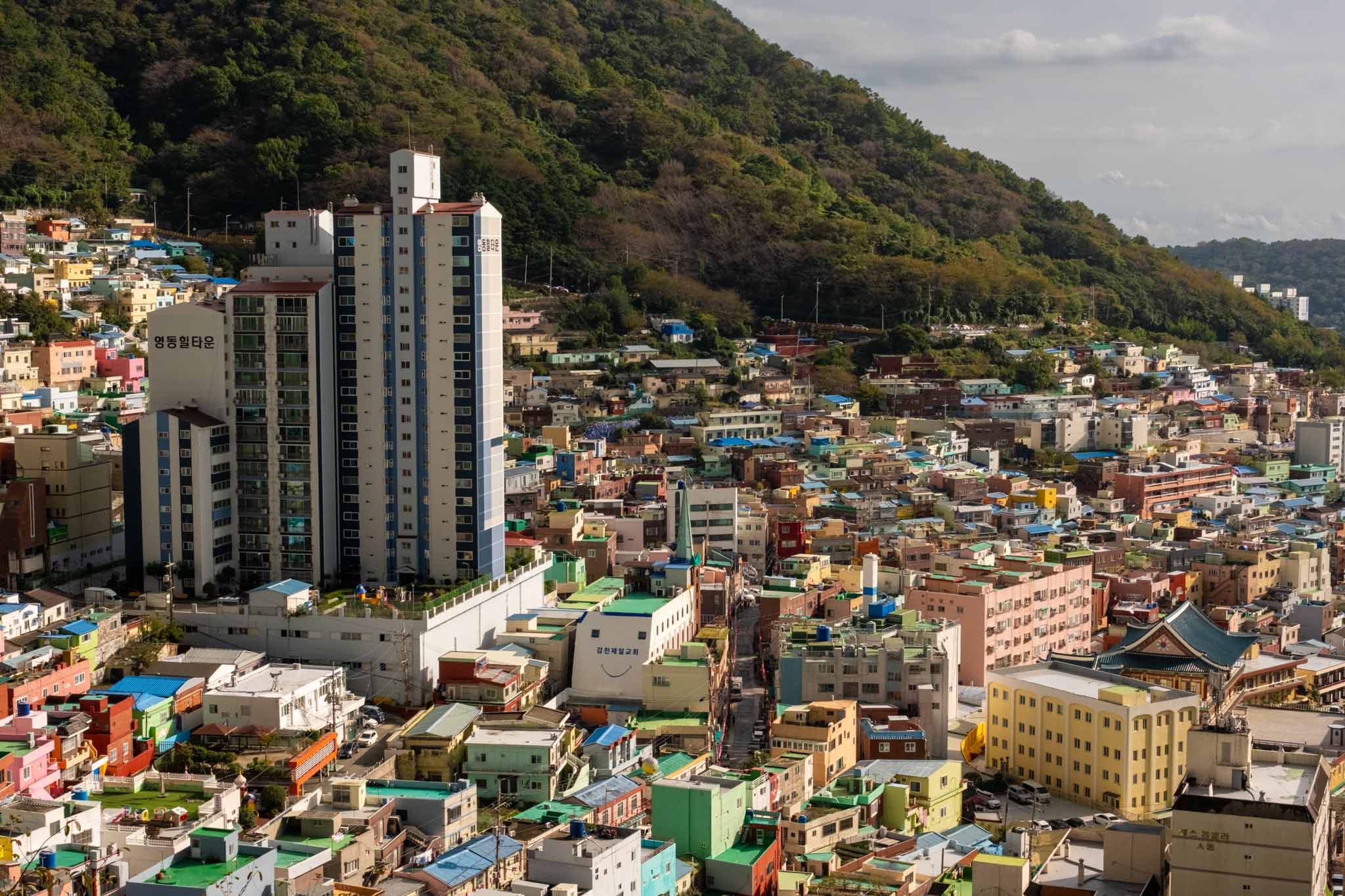
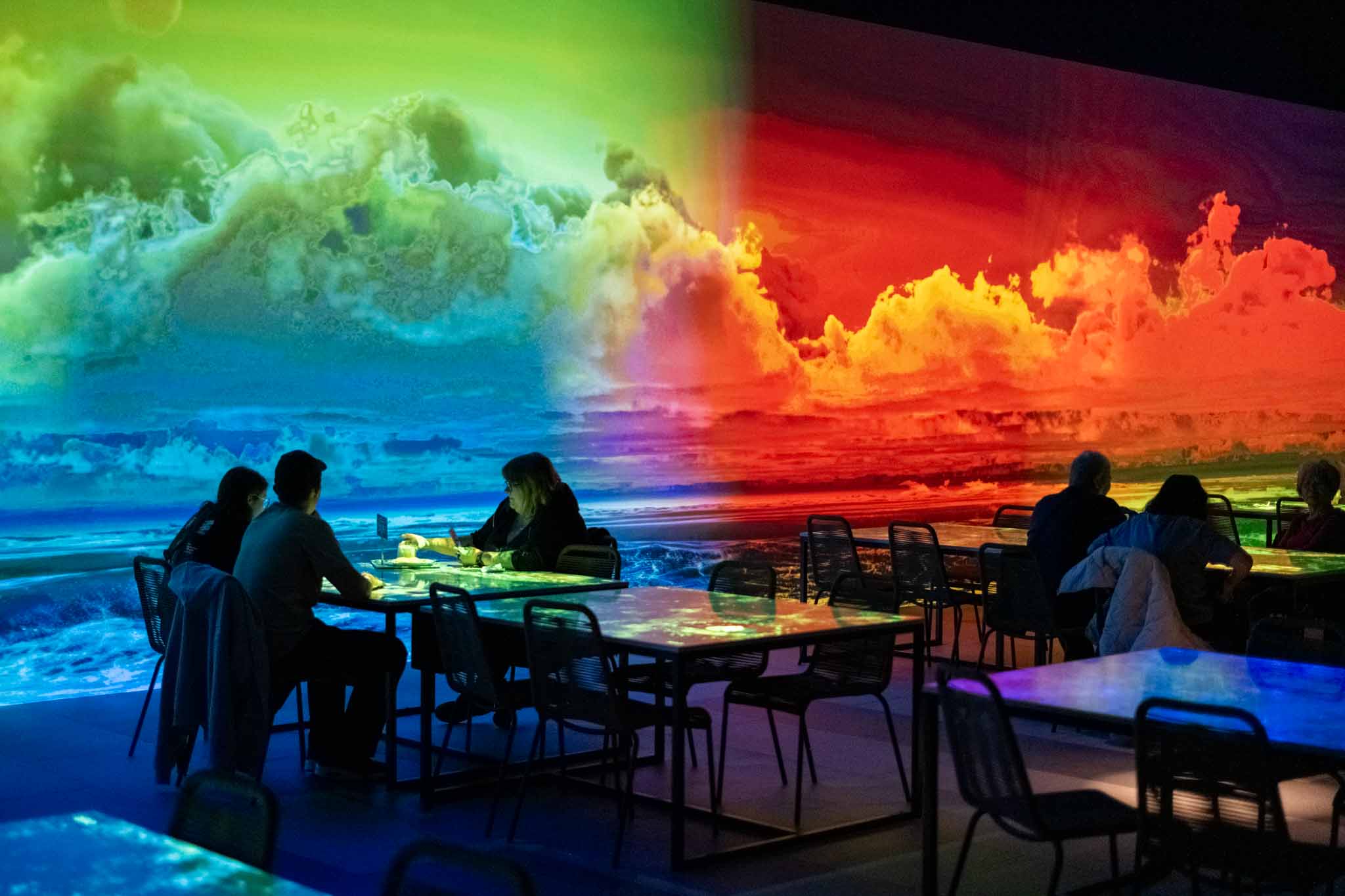
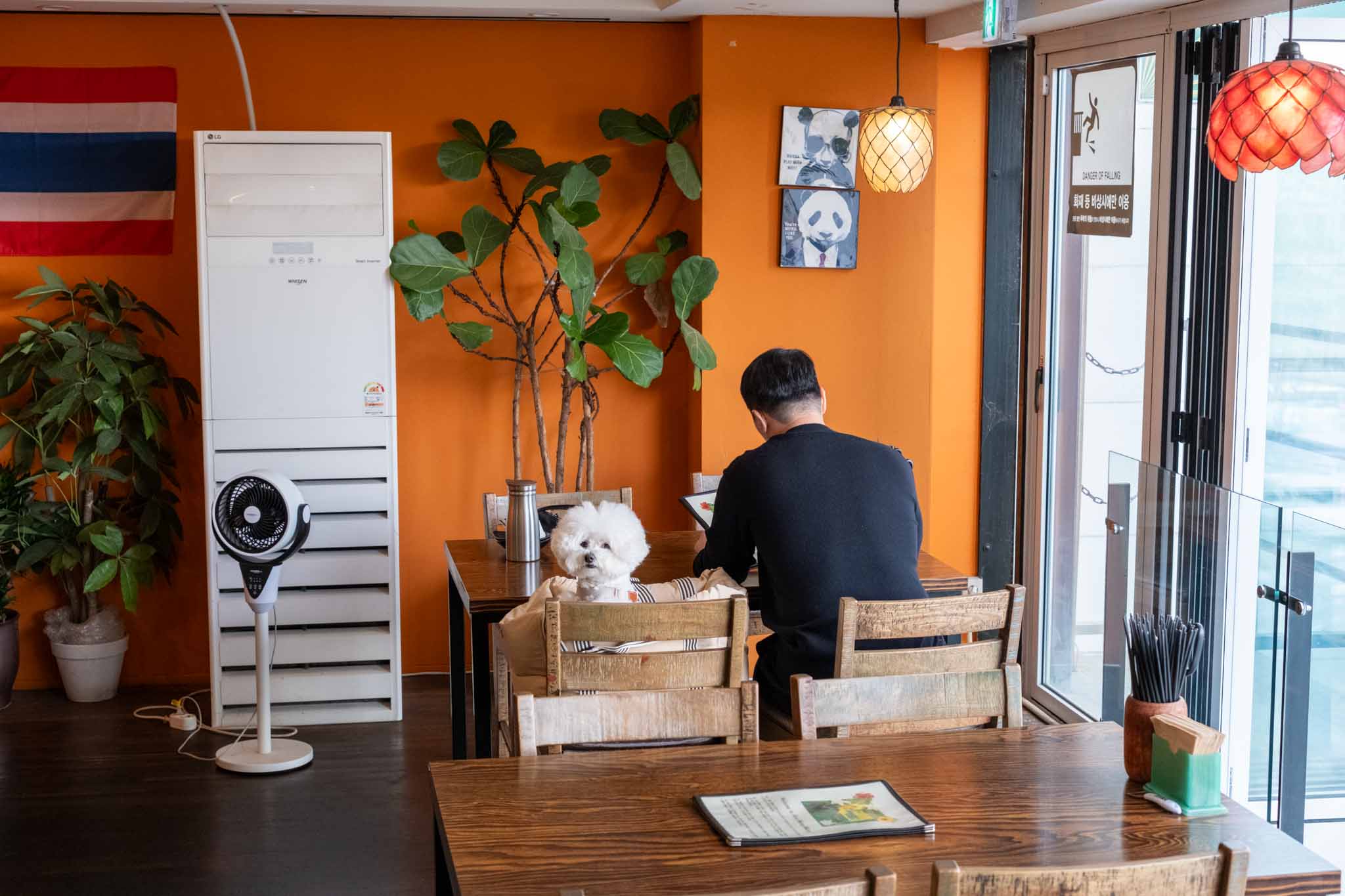
A notable aspect of Korean culture is the widespread appeal of cafe culture. There is no shortage of charming, fashionable, and artfully designed cafes to visit in Busan, with a variety of themes and unique designs. It doesn’t seem possible that each of them can support themselves in such a competitive market. Interestingly, the prices are much higher and seem to be marketed to attract loiterers who stay to work or study. This makes South Korea a fun place to work remotely from because no matter which neighborhood you are living in will have plenty of eclectic options available to get some work done.