I spent ten days in the Roman suburb of San Lorenzo. From what I gathered prior, San Lorenzo is known for graffiti, university students, and dive bars, which interested me more than the sort of tourist traps I had surrounded myself with while in Palermo. For several years now, Rome has been a destination on my list; my European friends had been telling me how much they love it, which surprised me, as Rome didn’t make a positive impression on me the first time I visited, on a high school trip when I was 16 years old. However, I have traveled enough since then to understand that first impressions are just that.
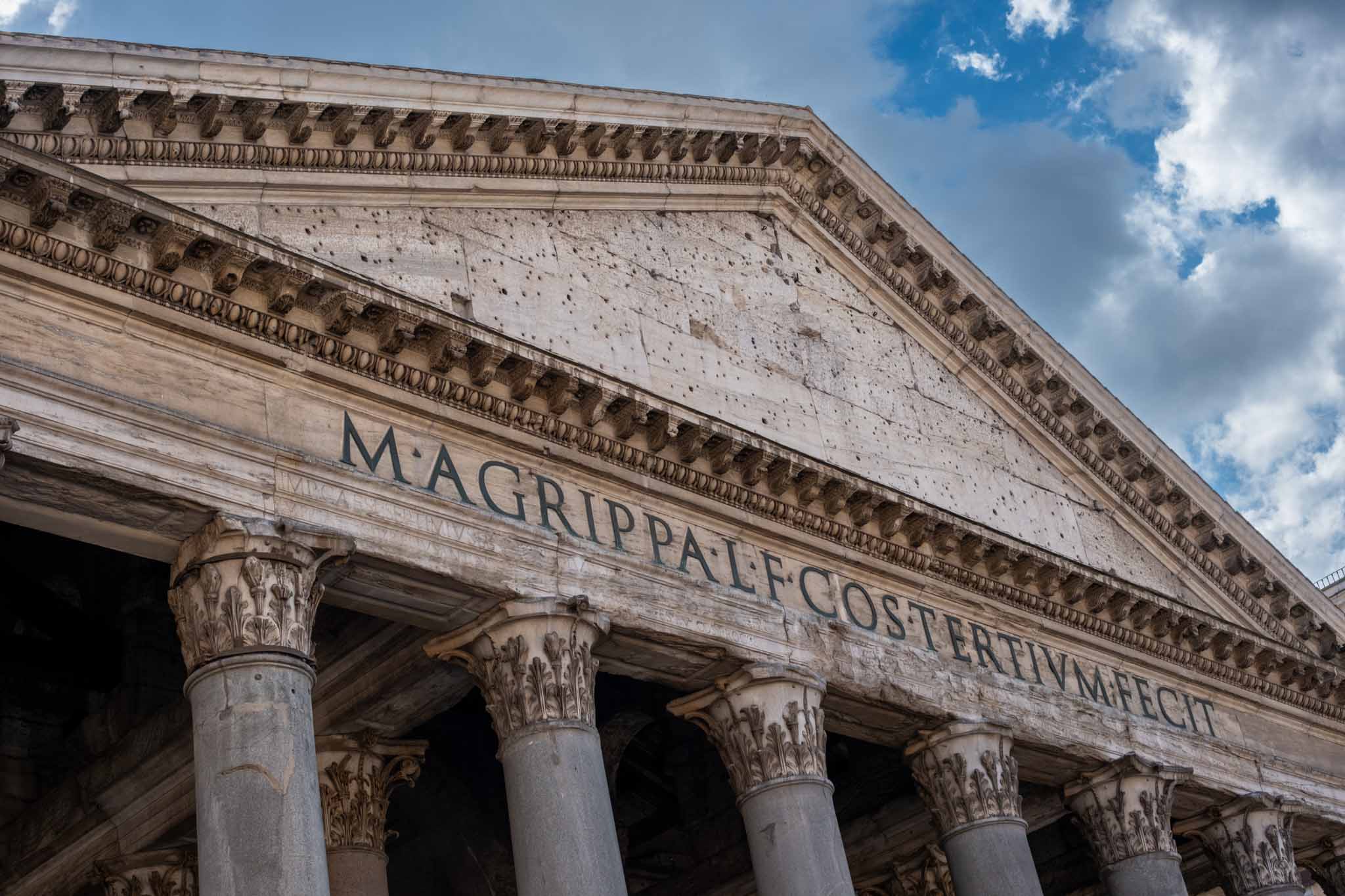
My first impression of Rome was how much the historic center seemed to pull everything toward it. Even a few kilometers away from the Colosseum and Forum, the city still felt centered, with a slight slope towards its core. The train station, the streets I passed through, the tourist services, stores, and restaurants, all of it angled inward, as if the whole city sloped naturally toward the tourist vortex. It’s difficult to describe, but I certainly felt a gravitational pull on the streets to where the mobs of people were congregated.
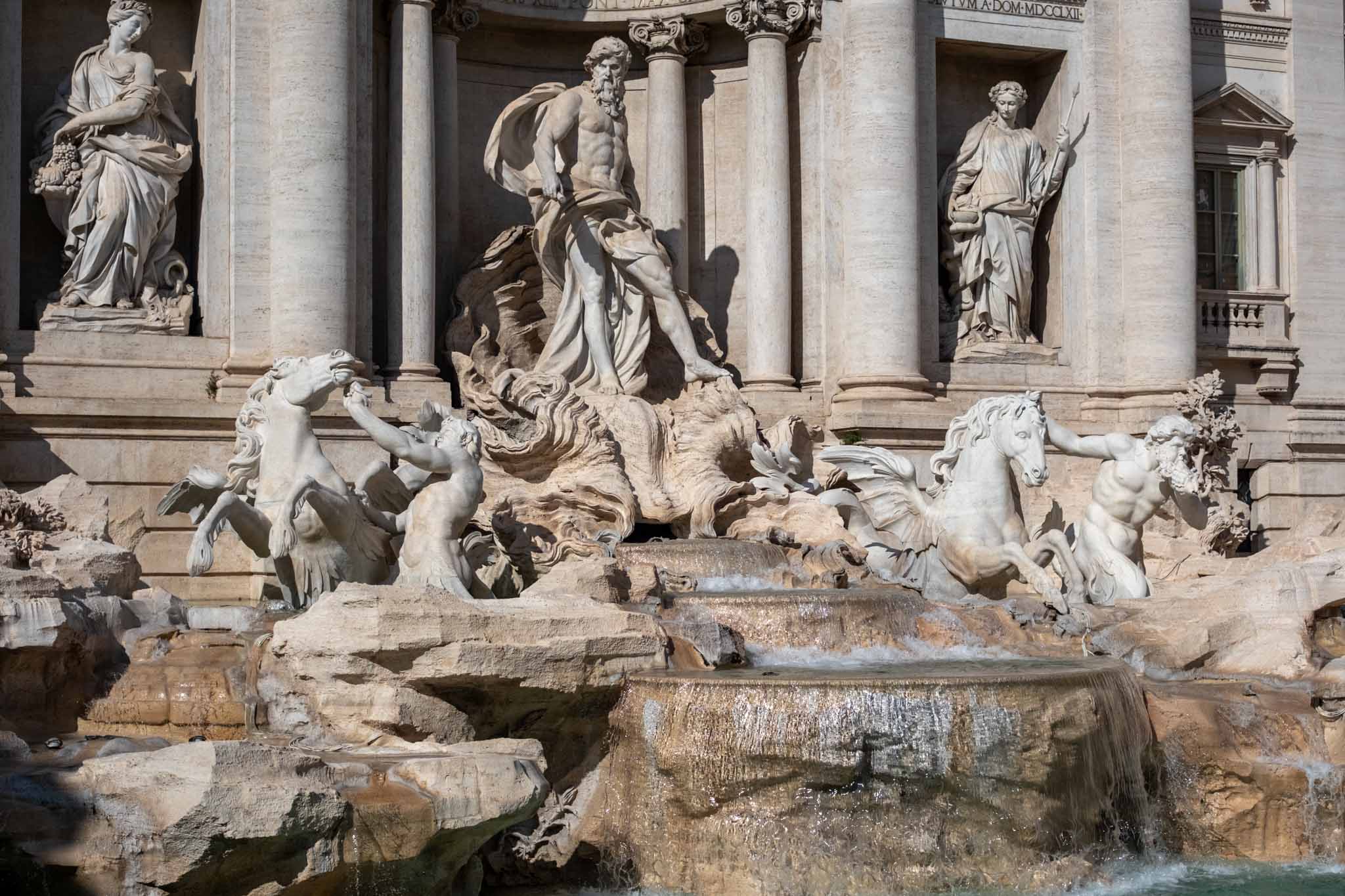
I spent one Saturday walking through the heart of Rome, and I was relieved afterwards, having checked that off my list. As expected, crowds surrounded every landmark, and queues and tickets purchased days in advance were required for the privilege of seeing the Pope’s relics, the interiors of famous buildings, and whatever else people were told was interesting and important. I had no desire to join them. The idea of standing in those lines as part of a once-a-year European vacation or a group tour made me physically recoil.
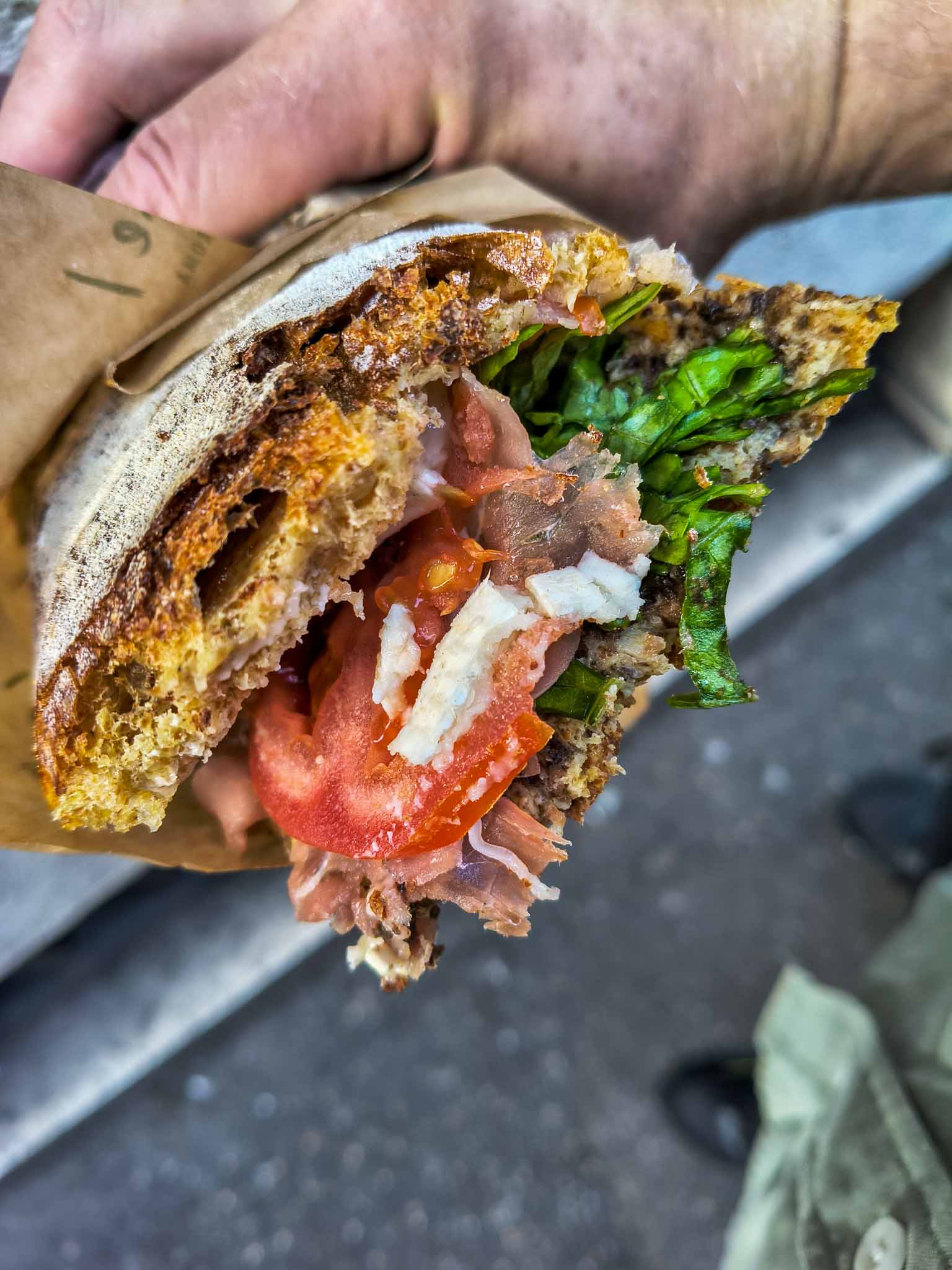
The best part of that day wasn’t any monument; it was a tiny take-out sandwich shop I stumbled into after skipping a dozen tourist traps. They made a toasted panini that absolutely hit the spot. That sandwich ended up being my favorite part of Rome.
It made me wonder why I travel so far only to end up thrilled by something I could get almost anywhere. Maybe the point is realizing that what we’re looking for is usually already within reach and that what everyone else seems excited about doesn’t have to be what matters to us. None of that is particularly profound, but I need to remind myself about it every so often.
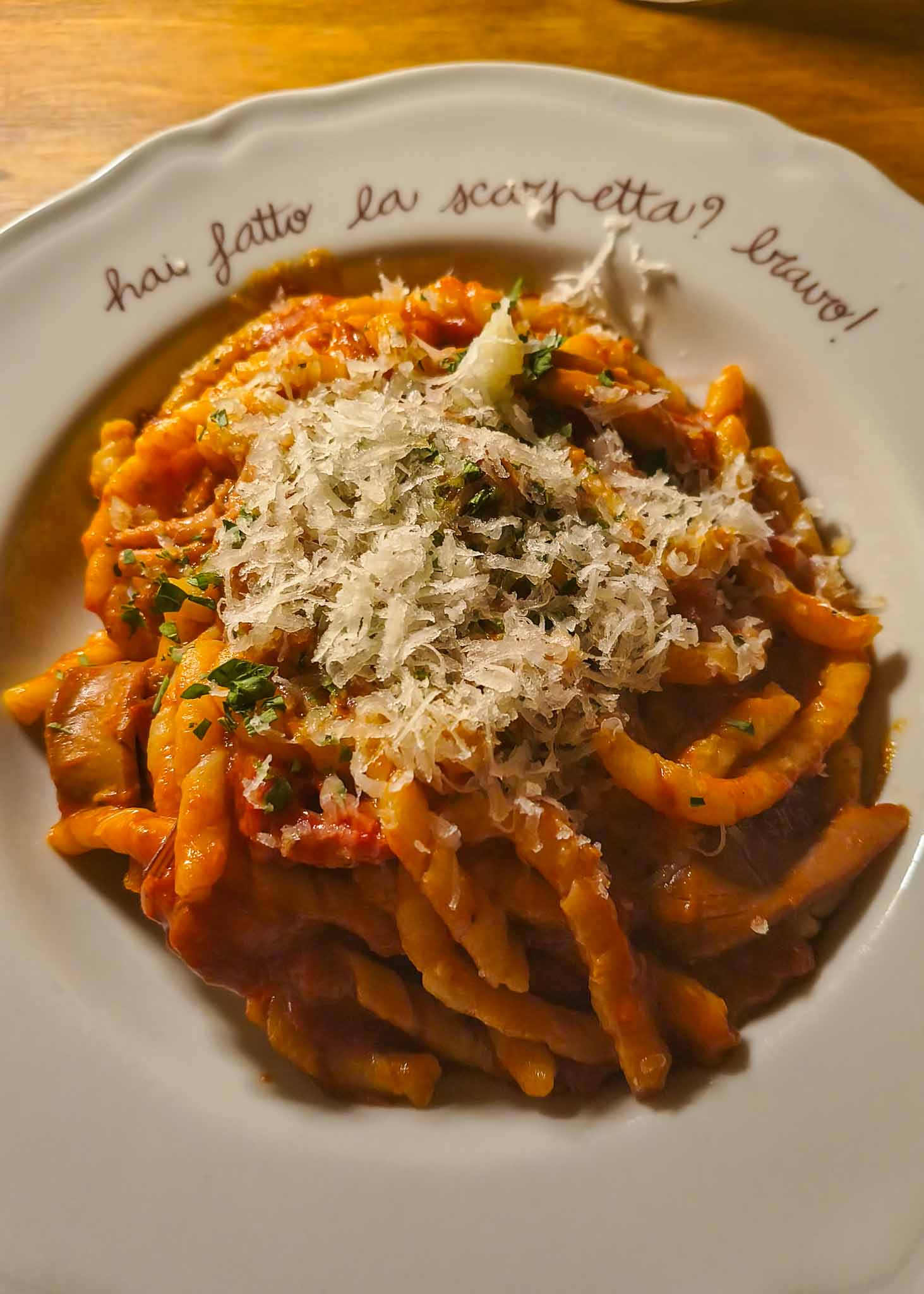
I loved the local gym I used in San Lorenzo – it had new equipment and was uncrowded. My morning ritual entailed exercising and then brunch — more often than not at a very good Vietnamese restaurant twenty minutes away, which allowed me to savor autumn strolls across multiple neighborhoods in both directions. Trust me, I really did attempt to eat proper Roman food when I could, with varied success. However, like in Palermo, the best establishments required reservations, and as a solo traveler, I just don’t care enough about my calories to warrant making them most of the time. After a few attempts and disappointments at the more accessible Italian establishments, I opened up and explored everything else.
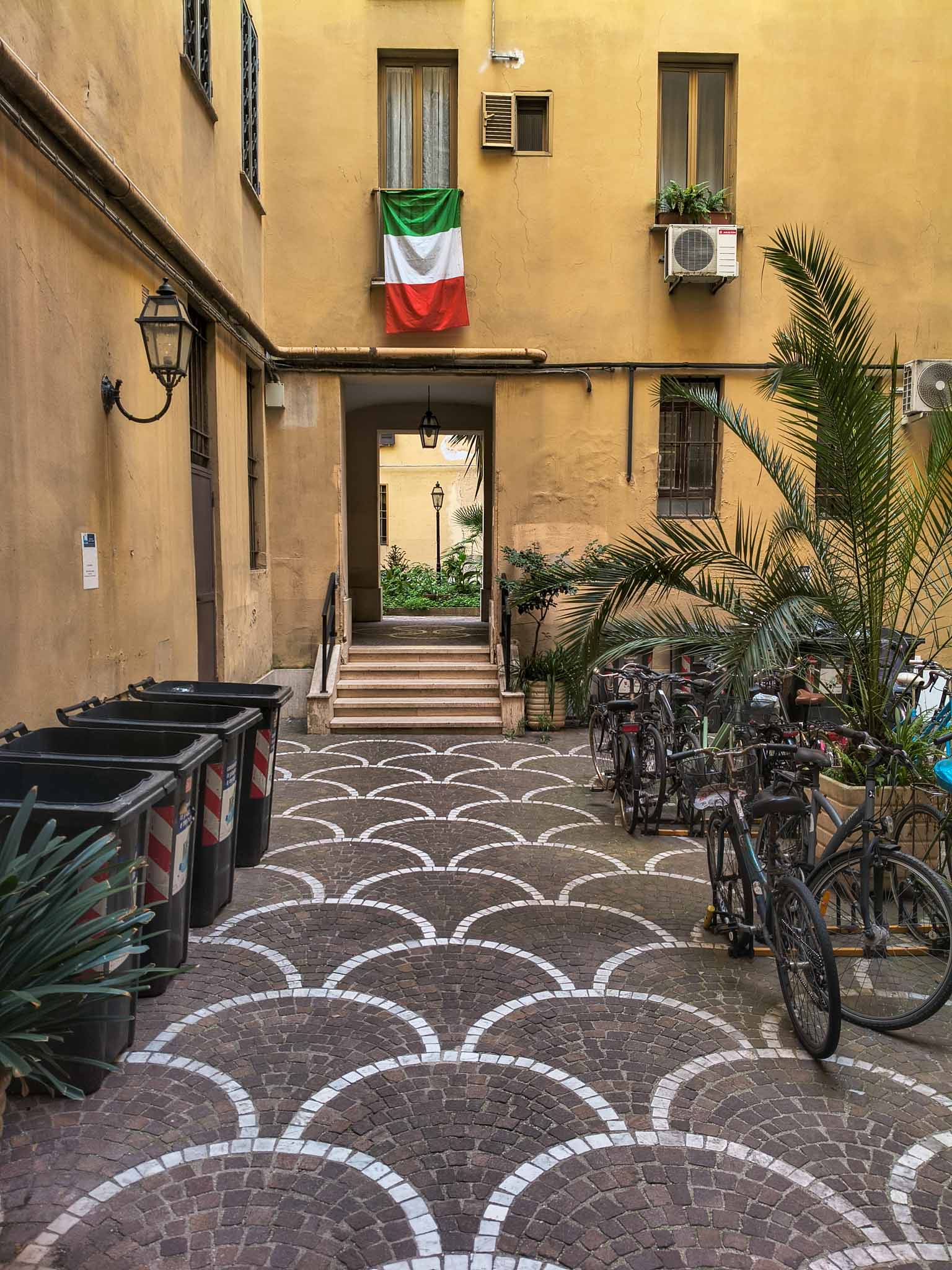
I stayed in two different apartments in San Lorenzo, both located on the same block, and both comfortable enough to work and sleep efficiently. I think if I return to Rome, I’ll try other suburbs, likely even further away from the hustle and bustle of the core of Rome.
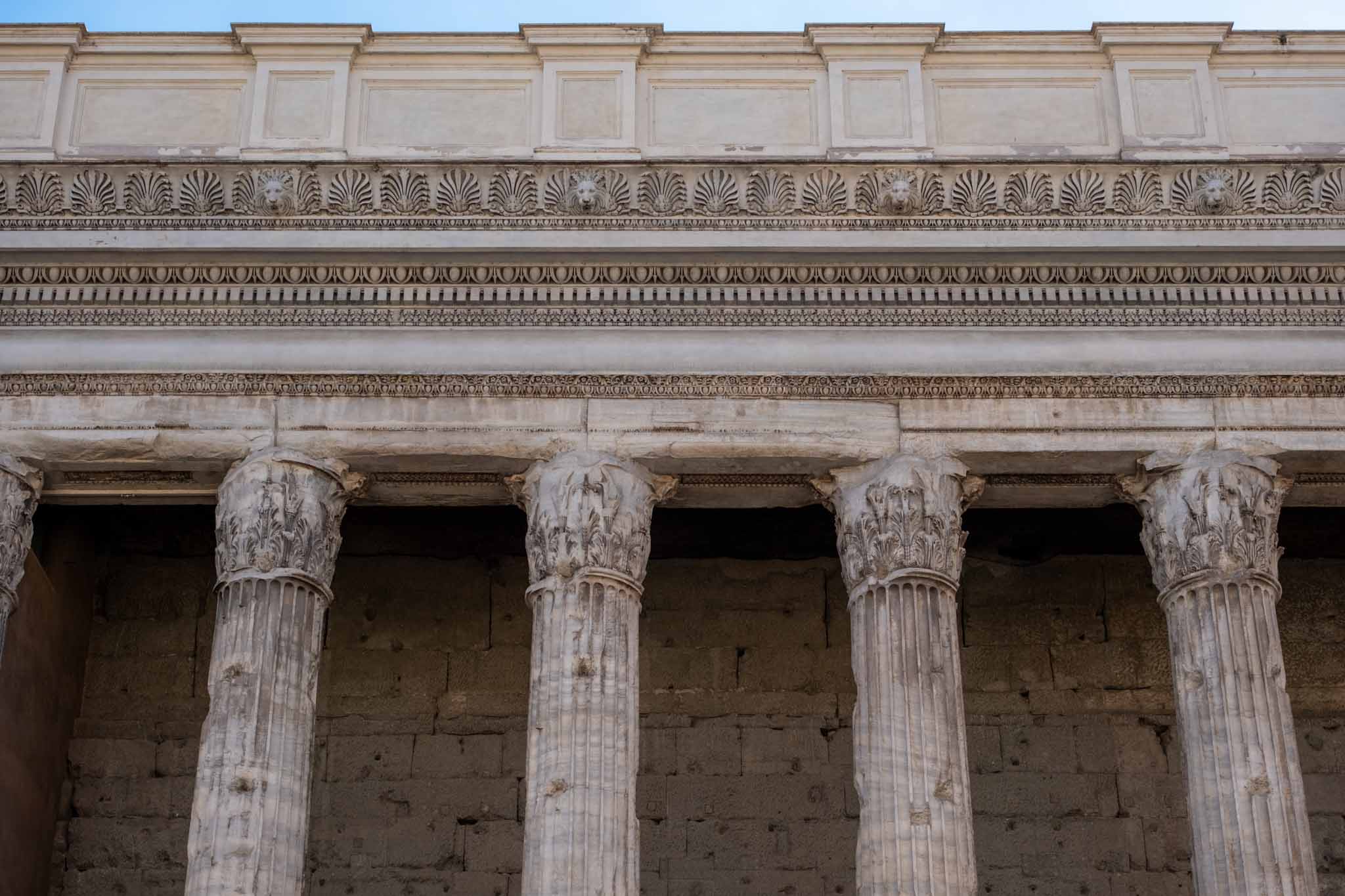
It was interesting to see so many foreign nationals living in Rome; as one myself, it seemed that foreign skin colors and nationalities equaled or outnumbered Italian natives. Beyond tourists, I saw many Africans, Indians, and even Chinese people living and working; I wasn’t exactly surprised, but I did stop and reflect on how Italy (and many places in Europe) had seemingly changed over the past generation.
A few times, I was disturbed during dinner by the noisome sound of a street vendor clamoring to attract attention to his wares for sale. Once, while inside a restaurant eating dinner, a man approached me, gesturing to his abundant inventory of junky souvenir crap. What would I like to buy? This sort of thing regularly happens when I am in Bogotá, and it’s always been part of paying the gringo tax – that minor annoyance (and often extra cost) owed to me as a more privileged visiting foreigner. Enduring the sales pitch of street vendors is part of paying the gringo tax. Having your dinner interrupted by a guy trying to make a few euros is paying the gringo tax. To be paying the gringo tax in Europe was a new phenomenon for me.
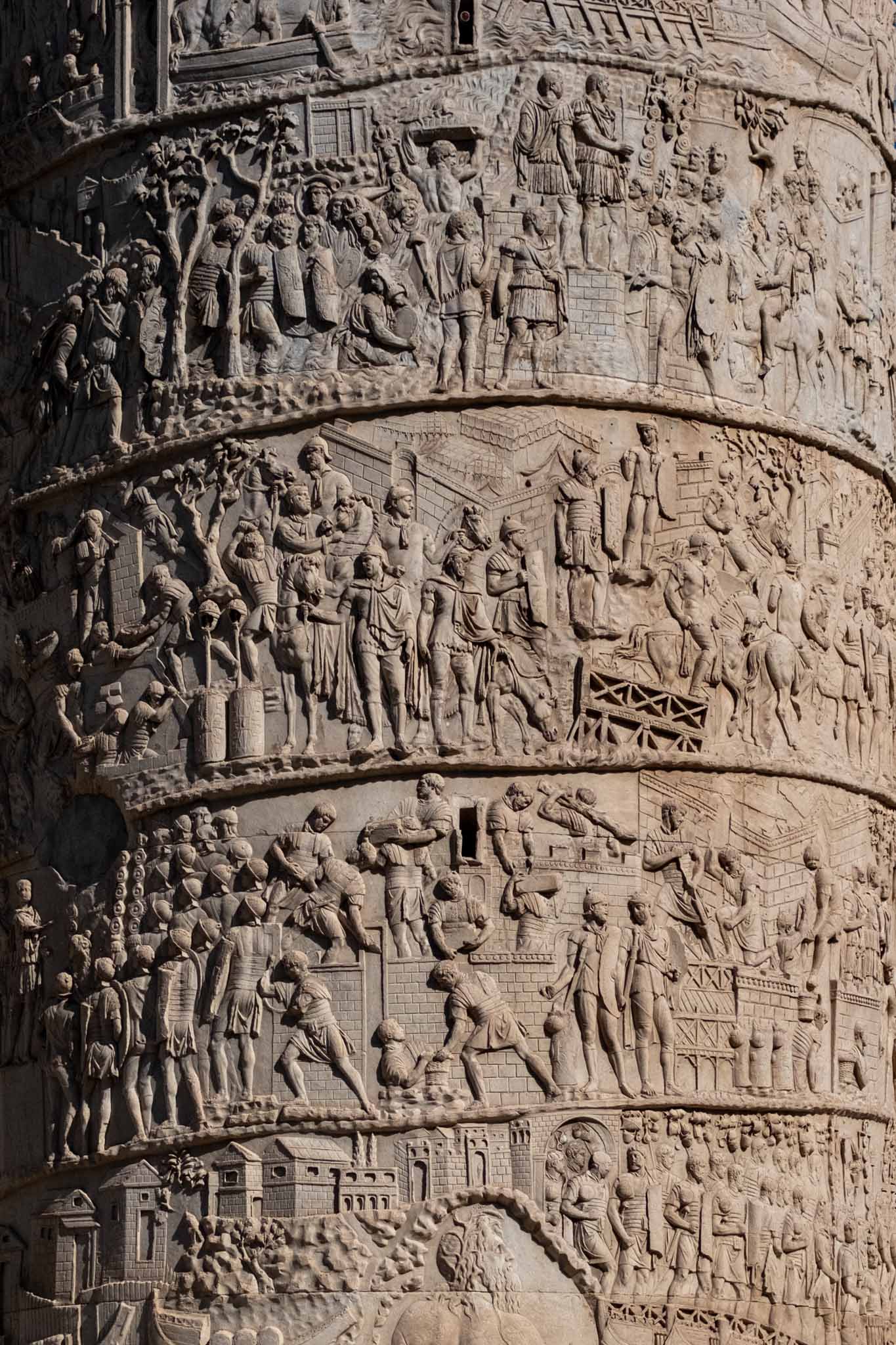
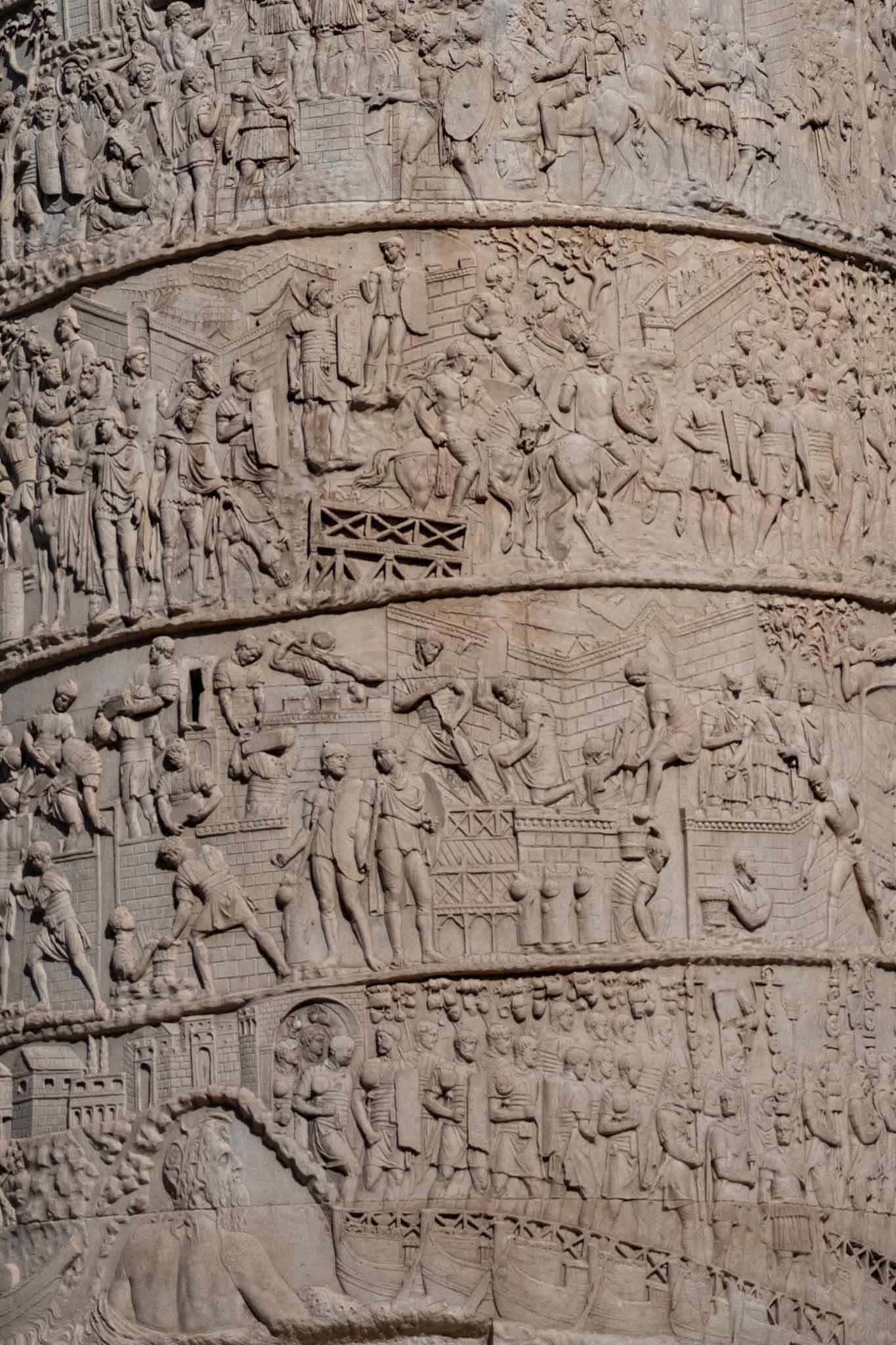
In retrospect, I’m not sure if my reaction (enraged, but quietly subdued) to the Indian man attempting to sell me a keychain lighter in the shape of an Italian boot while I was shoveling pasta into my mouth was completely warranted. Would a more warranted reaction have entailed empathy and compassion? Would I have any other recourse were our positions swapped? That interaction afforded the opportunity to again wonder: “If I were born in a poor country with little opportunity, would I be doing anything differently than shilling crap to gingos?” The answer I invariably arrive at is likely not.
I wasn’t rude to the man, but I was annoyed and disgusted. It wasn’t long afterwards that I felt ashamed instead.