I haven’t seen as much of Italy as I had hoped to by now. Recent visits to Tuscany, and Lake Ledro & Lake Garda, motivated me to make more of an effort to explore and learn more about the country. Increasingly, I found myself relishing Italian food, despite being the only person I know who avoids pasta and sweets (something I had always attributed to Italian cuisine). That’s just to say that I’m having a fun time figuring Italy out, bit by bit.
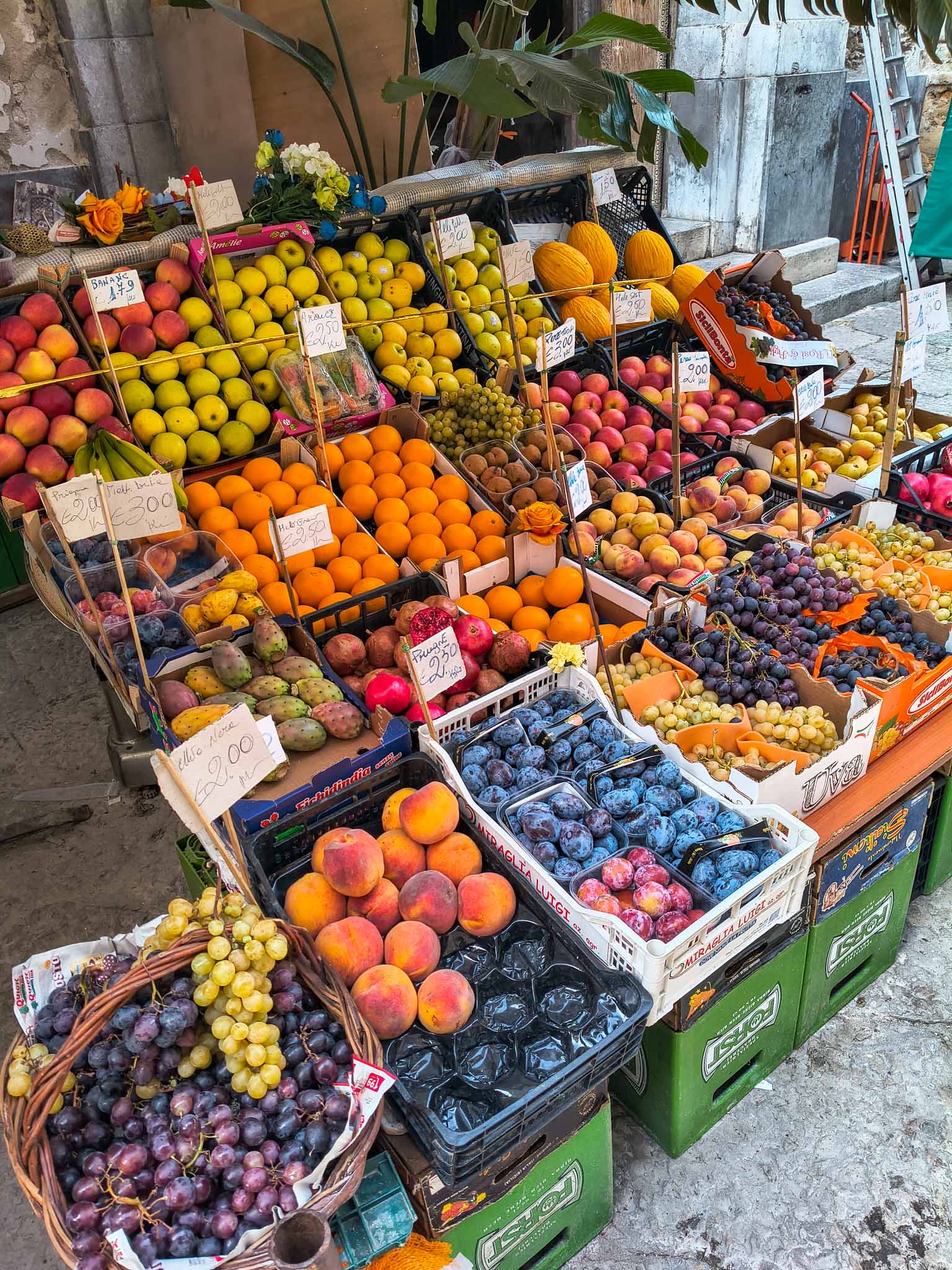
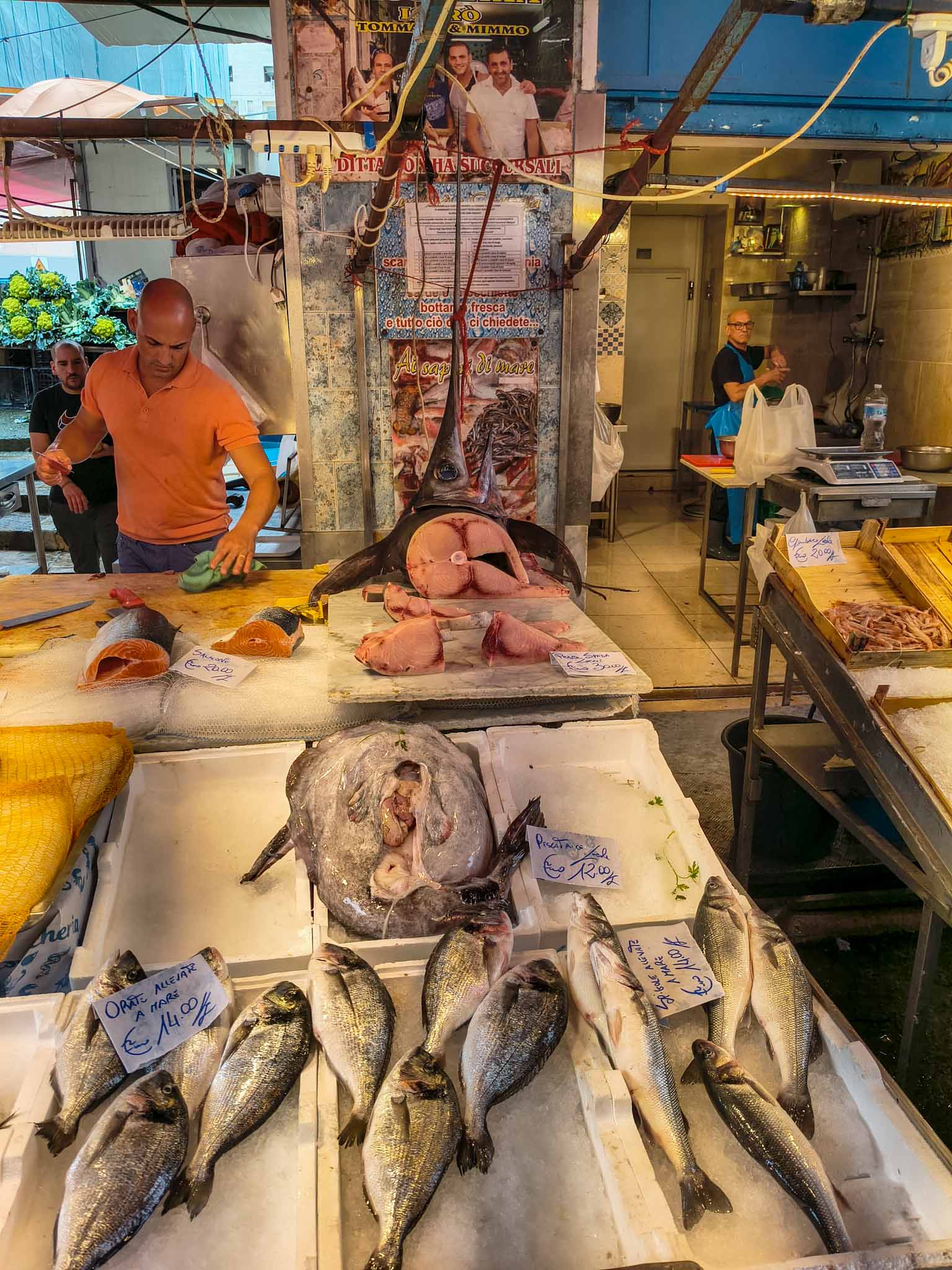
What has kept my attention most is the regional differences. Italy feels bifurcated between north and south. In Sicily, a tour guide told me that Sicilians see themselves as Mediterranean, rather than just Italian. The divide isn’t hostile, just deeply ingrained, which might be similar to the divide in the USA between the North and South, or the East Coast and the rest of the country. This dynamic has reminded me a bit of Germany’s regional diversity with different spoken dialects (Sicily has its own regional dialect)
I only had a week in Sicily before meeting my sister at a yoga retreat in Sardinia, and Palermo felt like the right place to spend it. Just enough time to get oriented, take some photos, learn a few things, and eat well. My only “research” was a vague belief that Palermo had great food — heavier, comfort-style Italian. I wasn’t sure if that was true, but I was curious to find out.
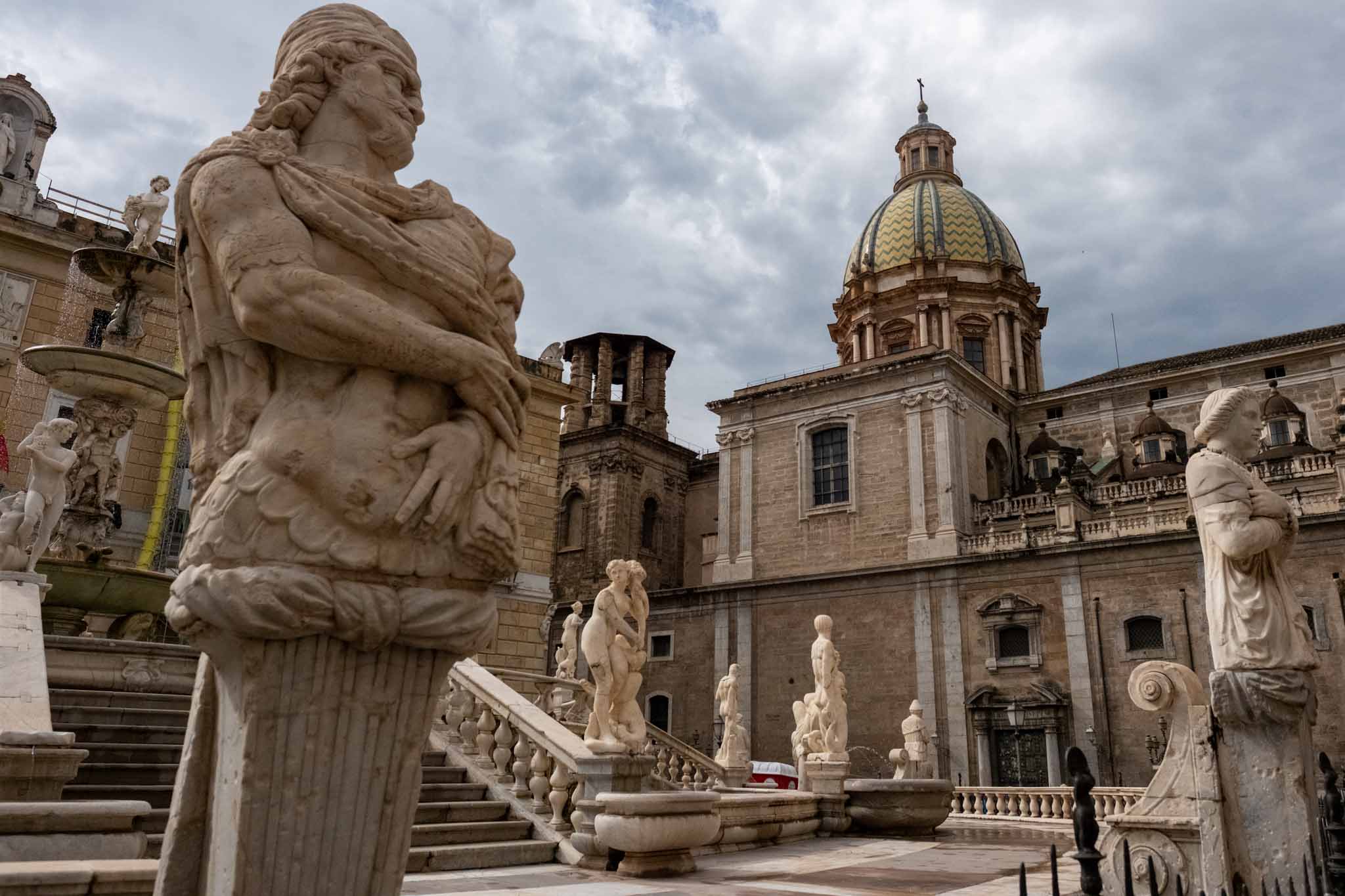
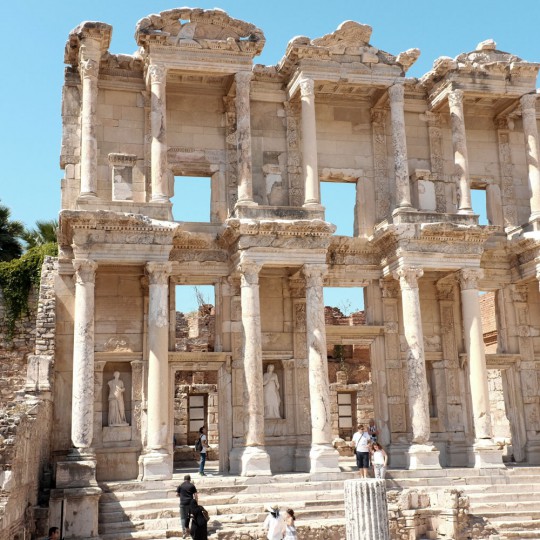
For those history or classical nerds reading this, you may recall that the legendary Cyclops, Polyphemus, lived on the island of Sicily. After six years of Latin and a depressing amount of translation work, I’d always wanted to visit the island that shows up in so many ancient texts. Following in the footsteps of the histories and myths I’ve studied has been really fun; I’ve been able to do it in places like Troy, Ephesus, and more recently Kos. I suppose Europe still retains its charm after 2,000 years.
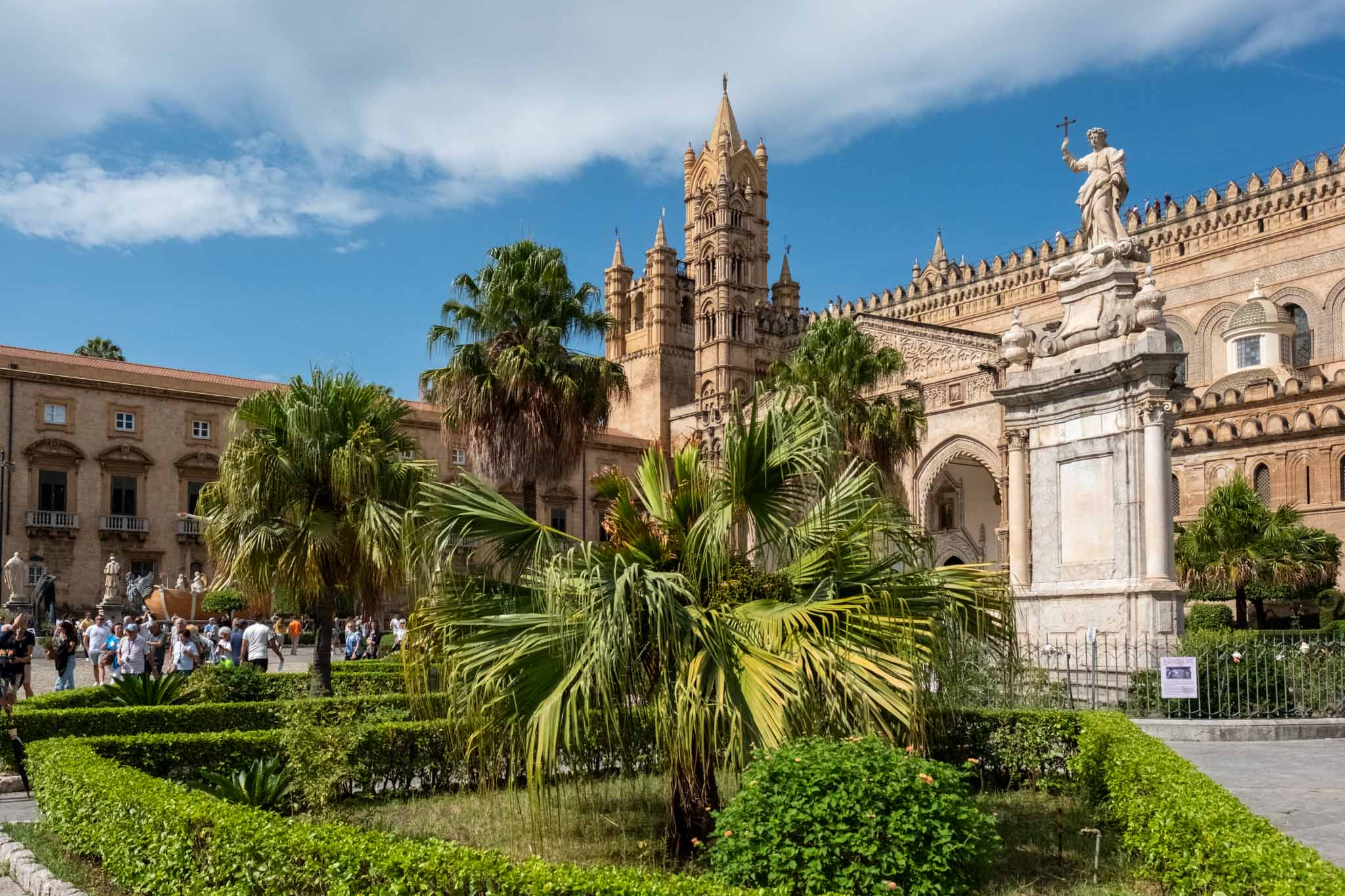
I arrived in Sicily in complete disarray. I’d lost my phone the night before at Oktoberfest — a roller coaster flung it into the void — and now had no way to navigate to my Airbnb, a 45-minute bus ride from the Palermo airport. Before leaving Munich, I managed one smart move: I drew a crude map on a napkin with a felt-tip pen, my low-tech substitute for Google Maps. The plan was simple enough: get off the bus, walk roughly in the right direction, and ask locals for help until someone pointed me to the correct cross street.
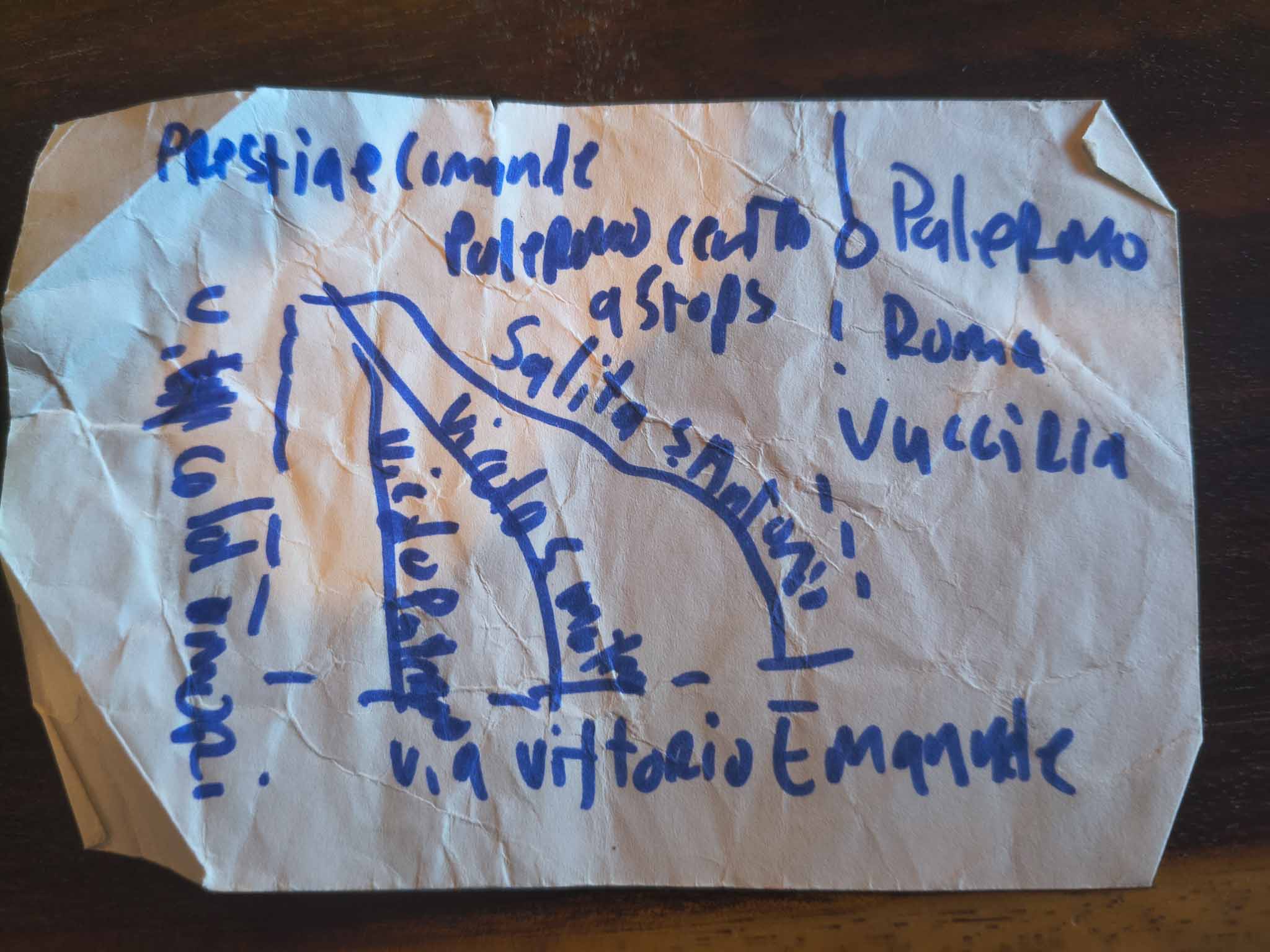
If I ever need to be humbled, all I need to do is try living without a mobile phone. The unfortunate convenience has also given rise to an embarrassing reliance. Whatever brain region was once responsible for remembering how to get from A to B has instead surrendered navigation to Google.
Thank God I wasn’t in Italy during high season, because Palermo was still packed in October. My travel duffel felt twice its 20 kilos as I hauled it over my shoulder with my backpack and weaved around the throngs of other street tourists. Here we go again.
The “15-minute walk” from the bus stop turned into something longer, hotter, and sweatier. I asked five different locals for directions, all of whom assured me I just needed to follow the same crowded street lined with tourist restaurants. Eventually, I would get to my Airbnb. So I squeezed through the crowds with my luggage, looking exactly like the lost tourist I was.
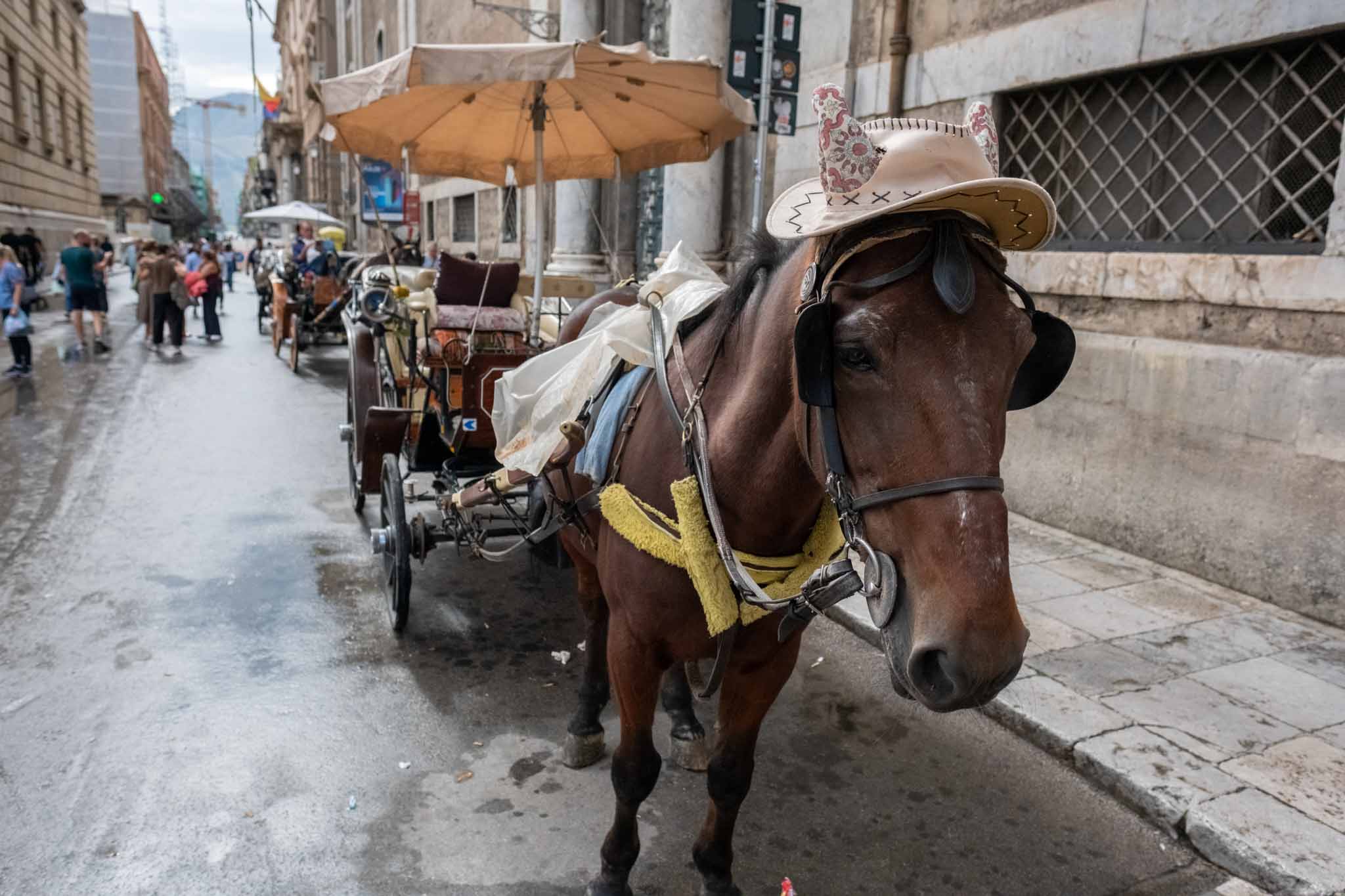
Eventually, I took a break and sat at one of those tourist trap patios, not for the food, but for the chance to drop my bags for twenty minutes. Later, by sheer luck, I walked right past my Airbnb’s front door, and a taxi driver I stopped for directions casually pointed it out to me.
The whole thing reminded me of how I used to travel twenty years ago, before phones, when there was all the friction, including translation, navigation, taxis, and payment. It’s a good argument for traveling while you’re young: discomfort actually feels like part of the adventure. I still carry a 20-kilo duffel instead of rolling luggage, so I don’t get too comfortable; once you cross that line, you don’t go back.
However, after I checked into my Airbnb, I immediately replaced my mobile phone.
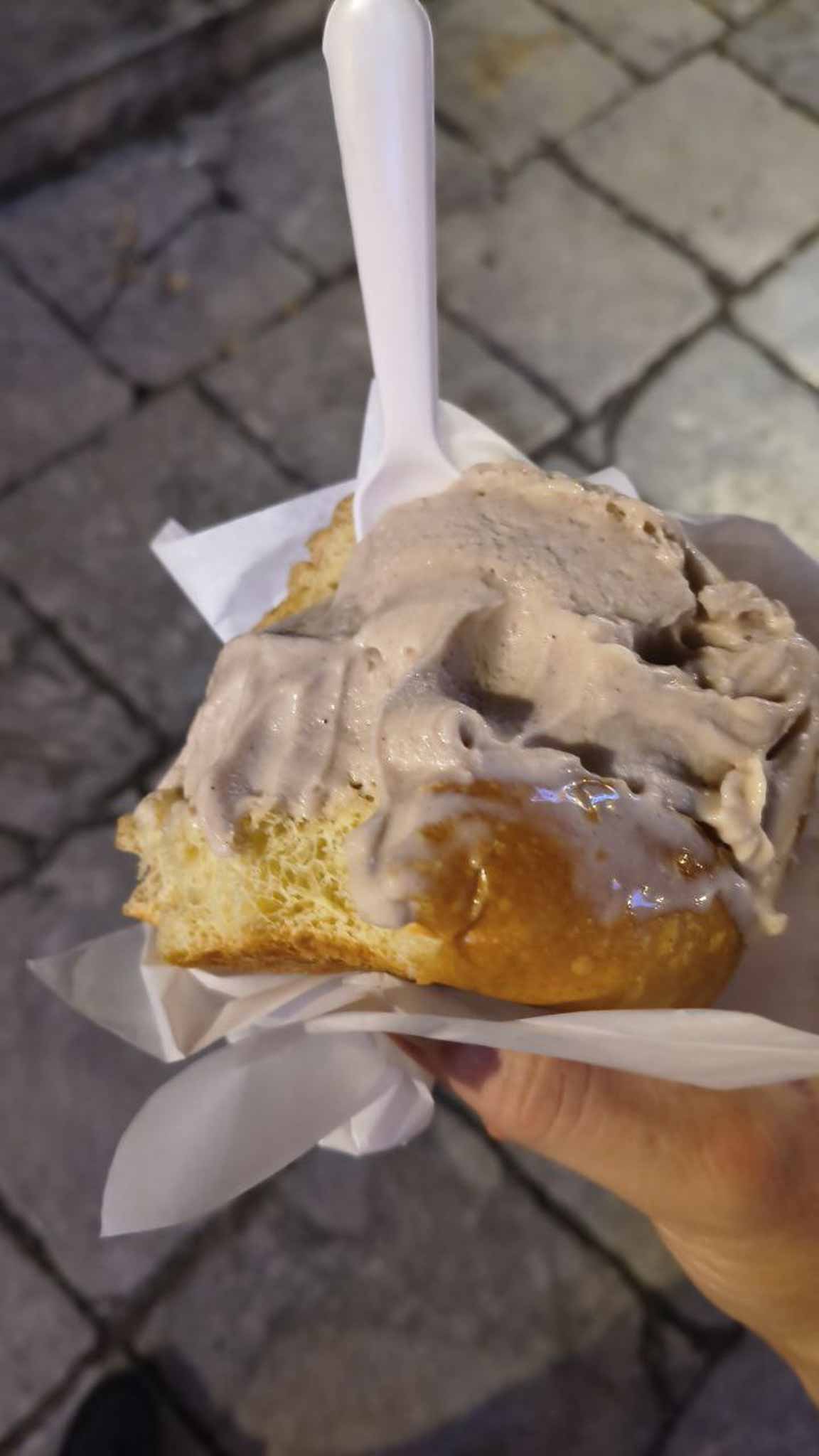
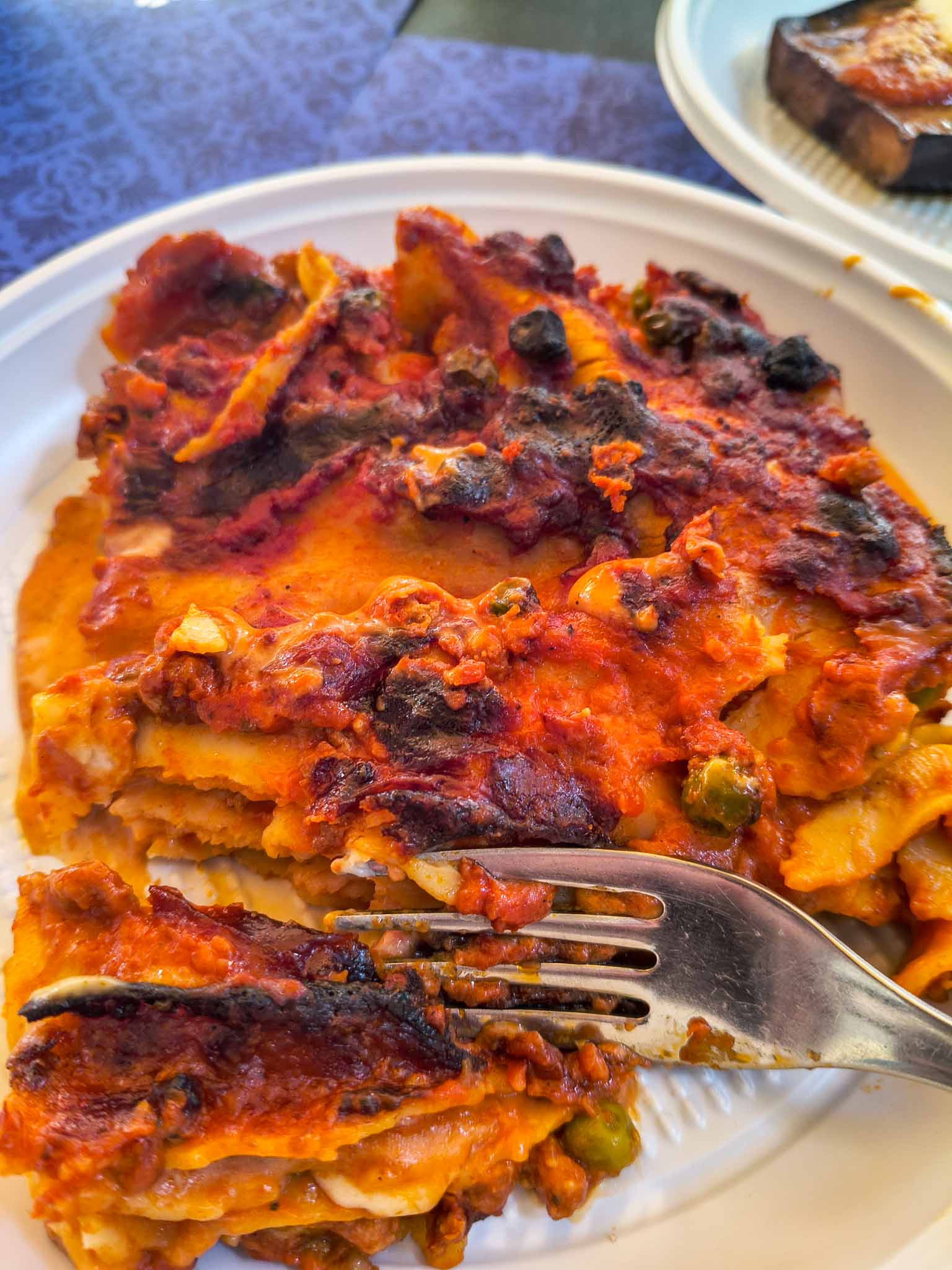
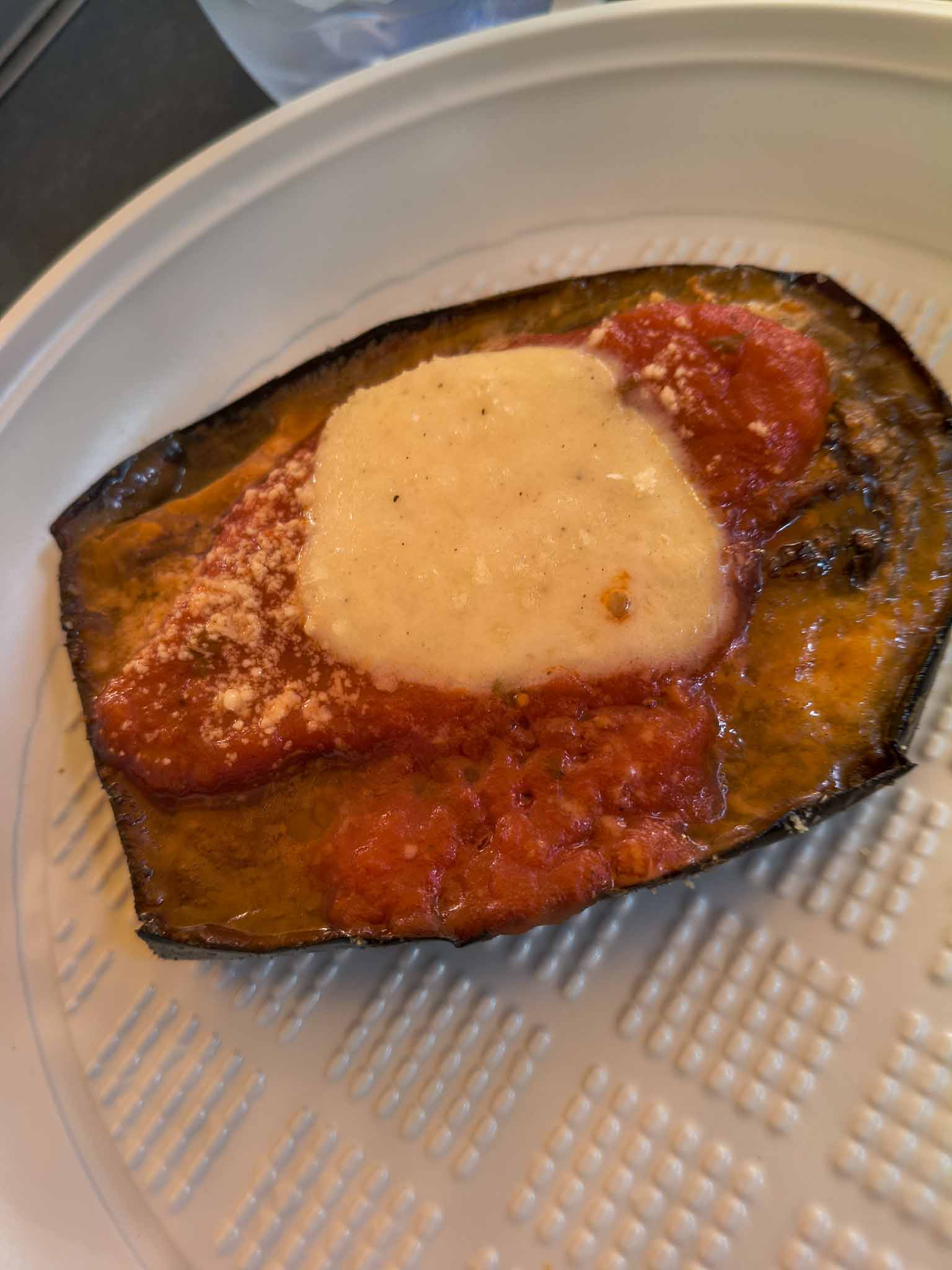
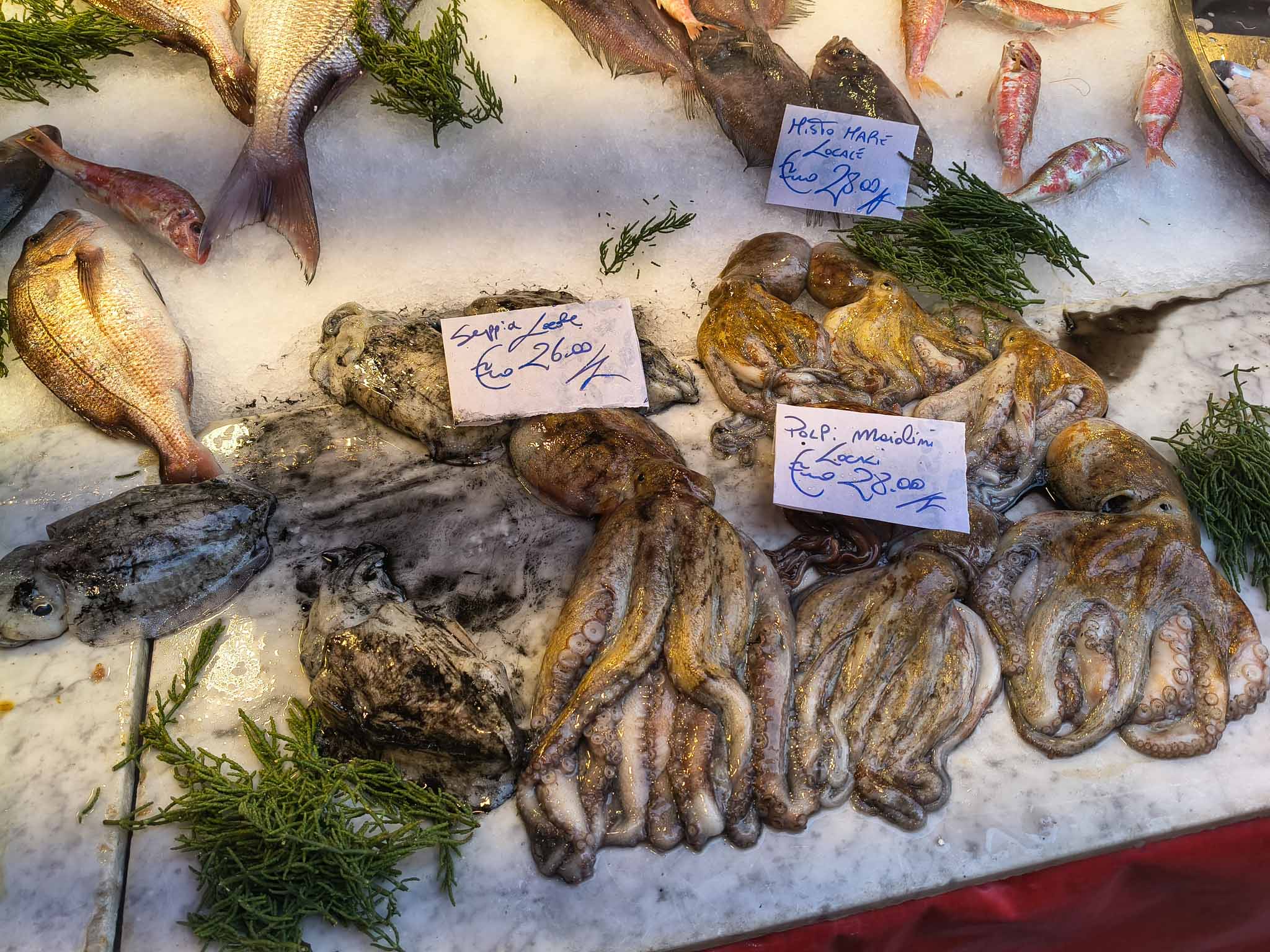
The rest of my time in Palermo was great. I had the ideal mix between work, exploration, eating, and training. I frequented street food venues each day, where you sit down and they serve you helpings of what they have already prepared for the day. I liked the lasagna, eggplant parmigiana, and raw oysters. Another local favorite I tried once was the Sicilian ice cream sandwich, made with sweet brioche and a generous dollop of gelato (I chose cinnamon). Really good.
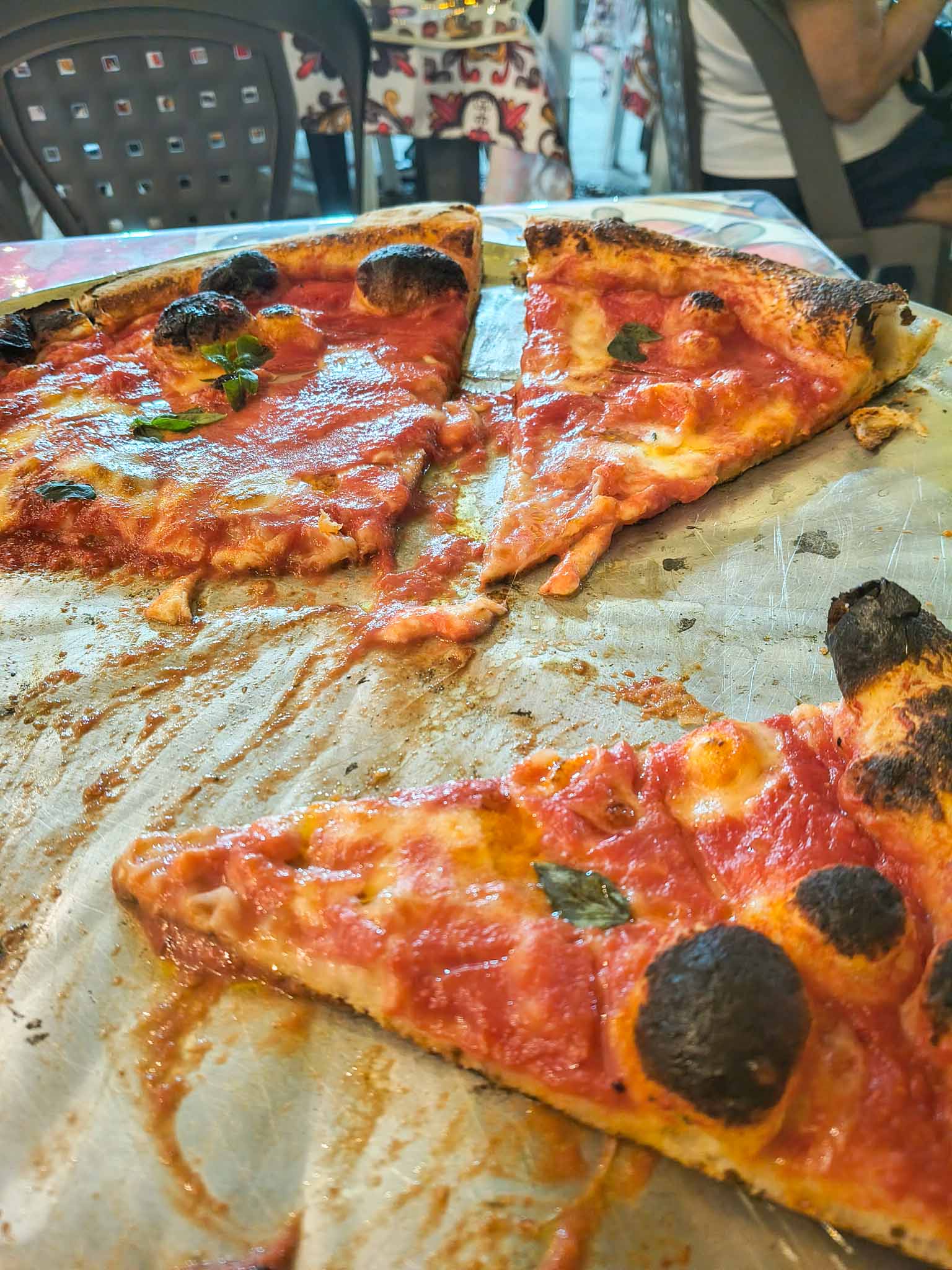
That sort of simple, easily accessible cuisine became my favorite after discovering that many of the nicer restaurants required reservations. I really can’t stand planning ahead to eat one or more days in advance, especially as a solo traveler. I prefer to wander around and pick a place that seems good, and in most places I visit, this works really well. While there are numerous restaurants accessible to this strategy in Palermo, they are primarily designed for tourists, and the food has been subpar in my experience. After striking out a few nights in a row at these sorts of restaurants, I found a gem of a family-owned pizza place. Nondescript, unhyped, and a 15-minute walk from my front door. For dessert, they served shots of lemoncello and cannolis. The proprietors seem to appreciate that I would order an extra-large pizza and eat it entirely myself (I also enjoyed this).
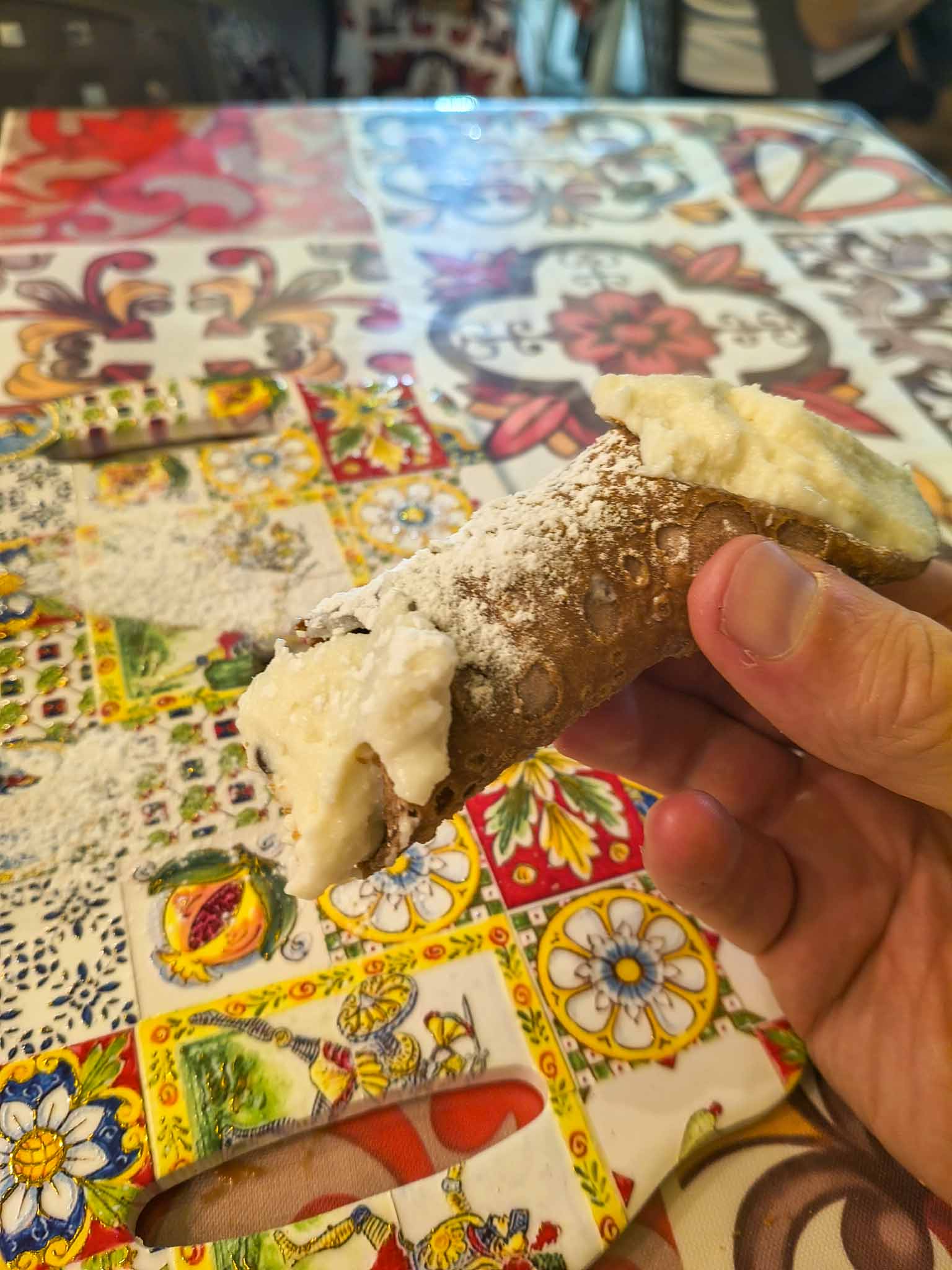
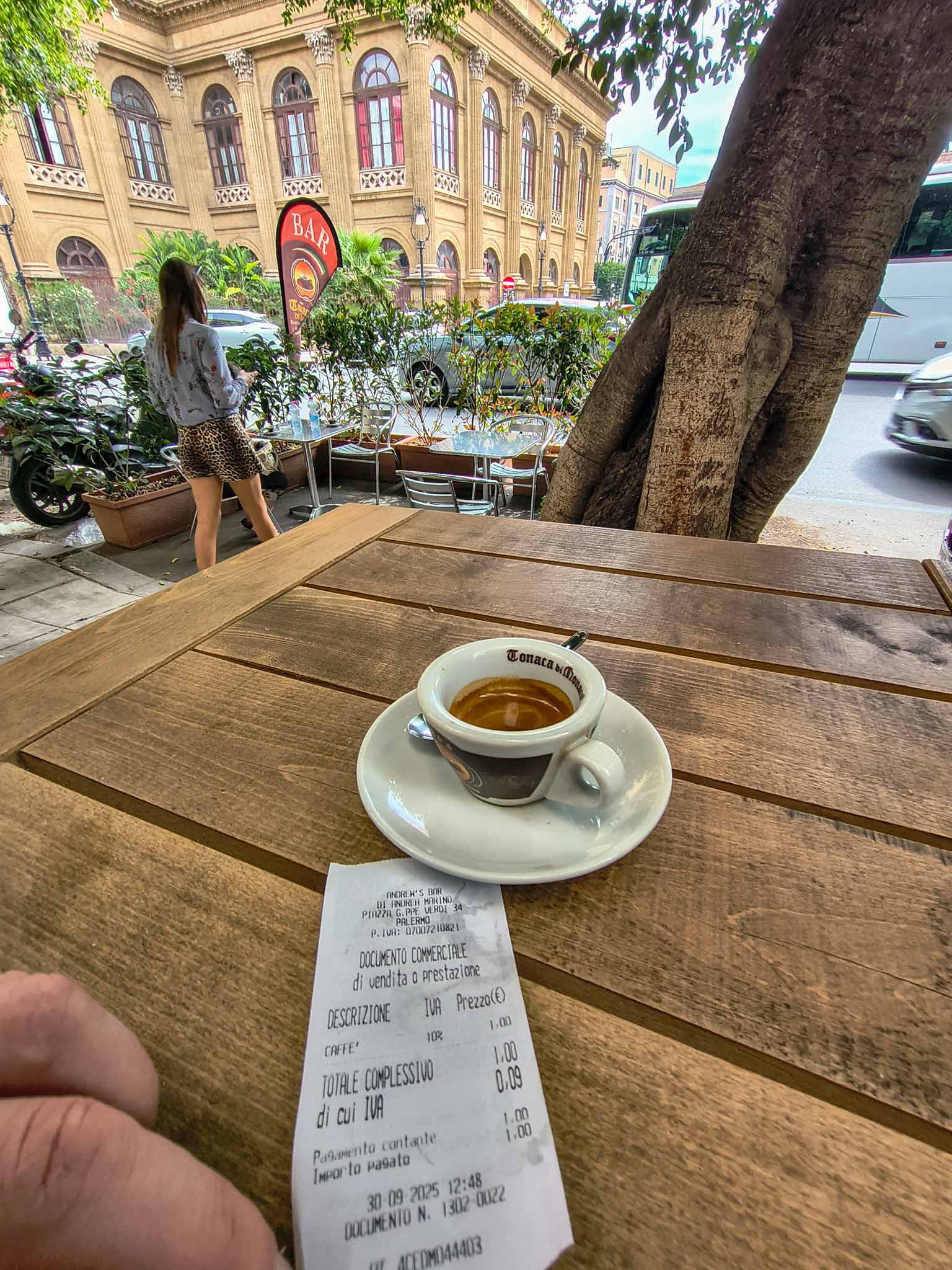
Another highlight was the 1-euro espresso bars. It’s a really fun experience to walk up to the bar, shoulder to shoulder with locals, and order an espresso in Italian. For about 30 seconds, I felt like I was a local. It’s like ordering a croissant from a bakery in France, or street tacos in Mexico City, the food becomes an experience when you eat it at the place it originated from.
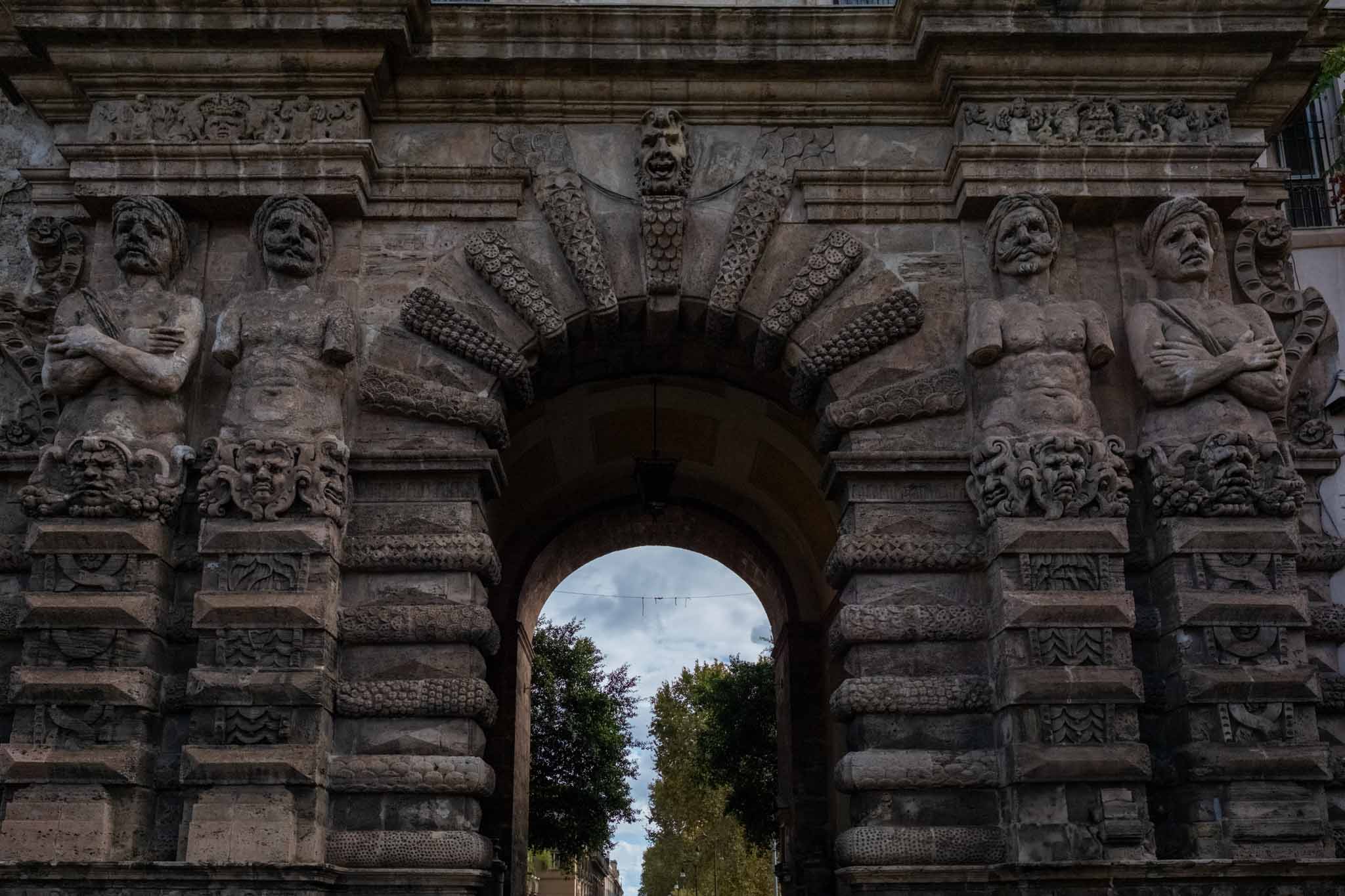
I took an obligatory “free city tour” around the center of Palermo, which led me to the same sites I had inadvertently discovered through my own wanderings, but this time with accompanying dialogue. Palermo was a great destination for a week, and I’d be happy to explore other parts of the island on a return visit.