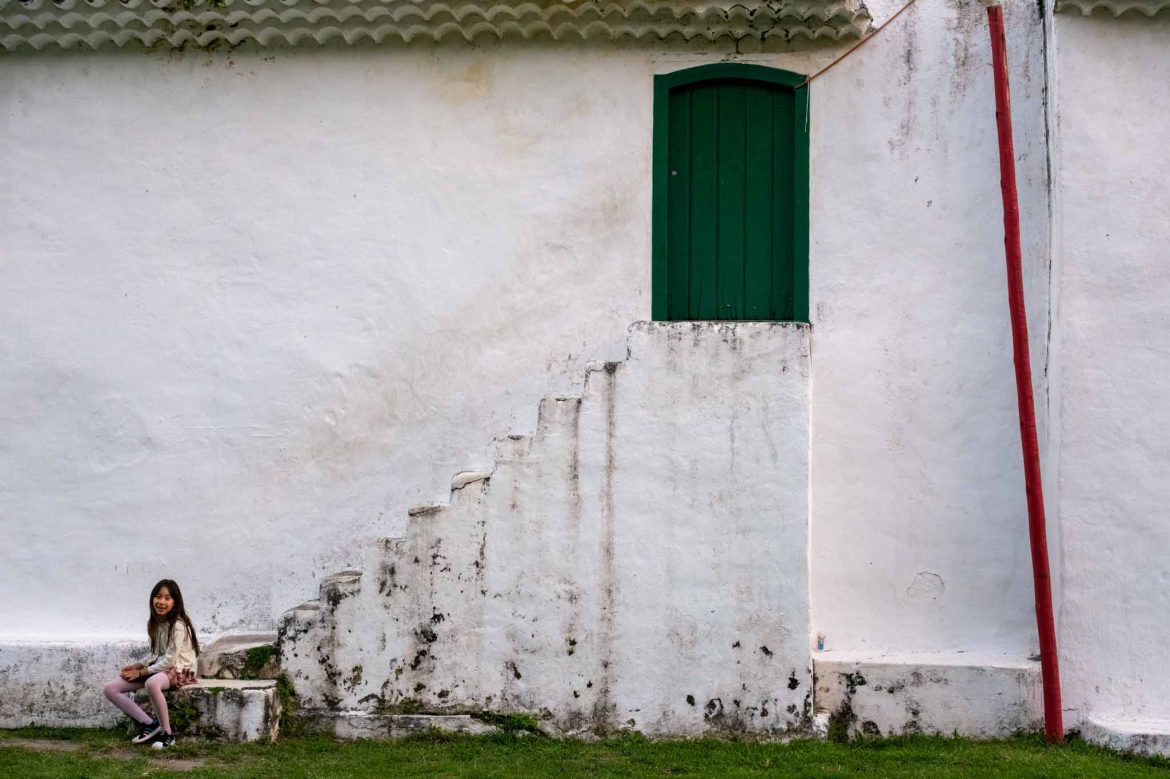
After my first visit, I can confidently say that Trancoso is a must-see destination. It’s already popular among Brazilian travelers, yet it still feels like a secret. People clearly know about Trancoso, but when you’re there, it’s as if no one else does. The town has somehow managed to avoid the over-commercialized vibe that plagues many popular beach destinations. Thankfully, many of my favorite destinations within South America continue to fly under the radar by avoiding hype and attention. Fortunately, it’s a good thing that my mother doesn’t read this blog, so don’t worry, I won’t be the one changing that.
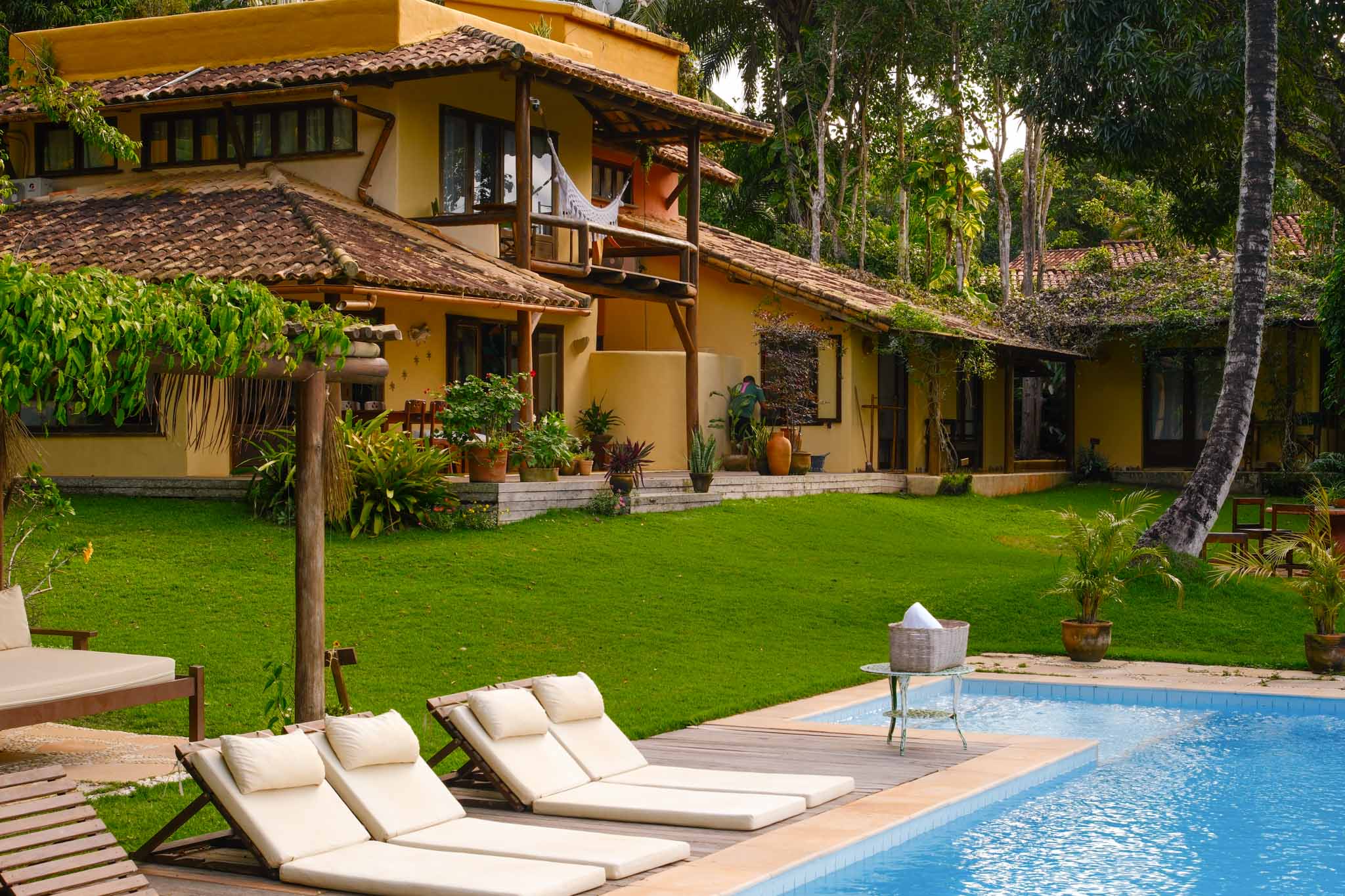
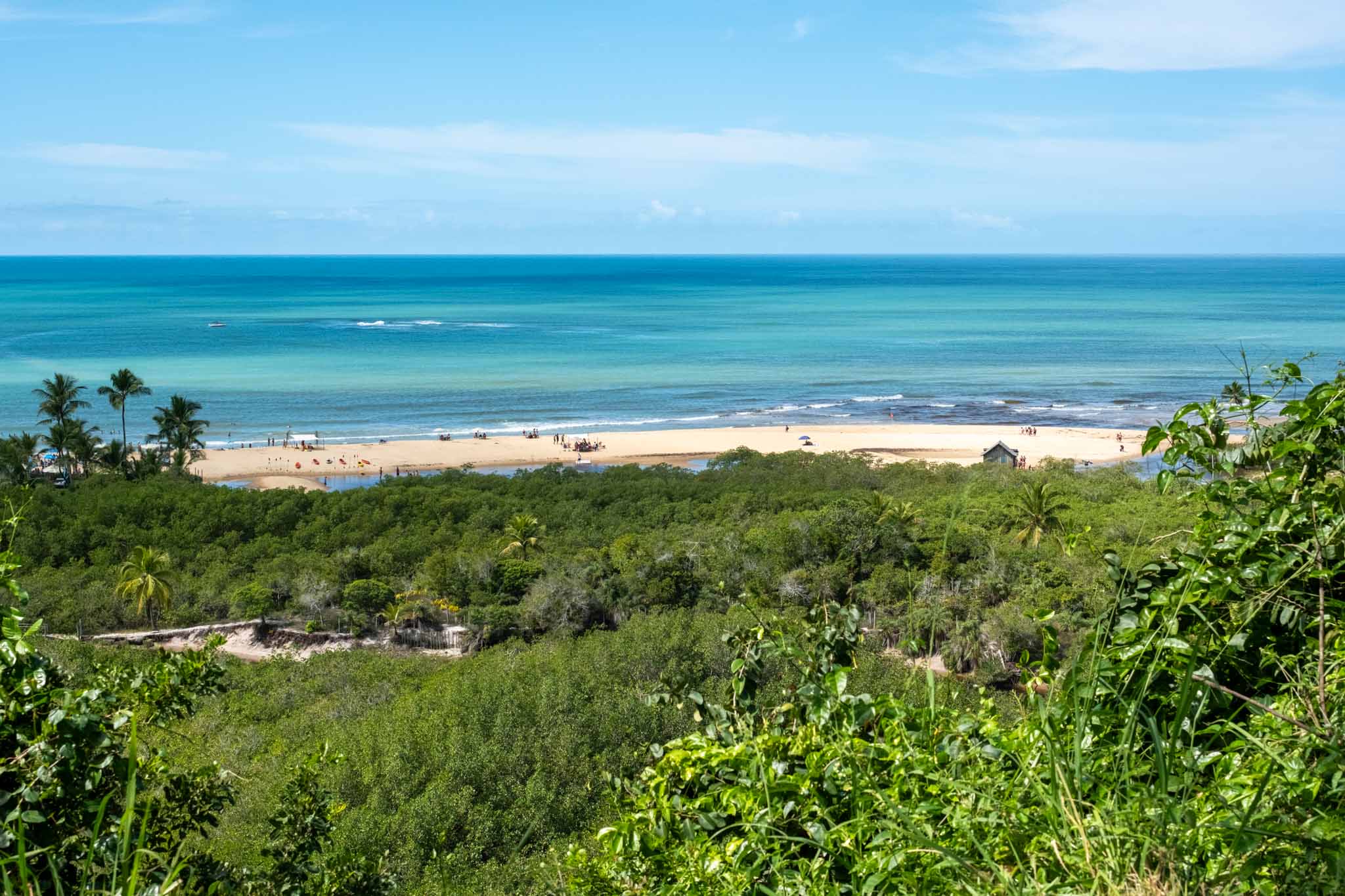
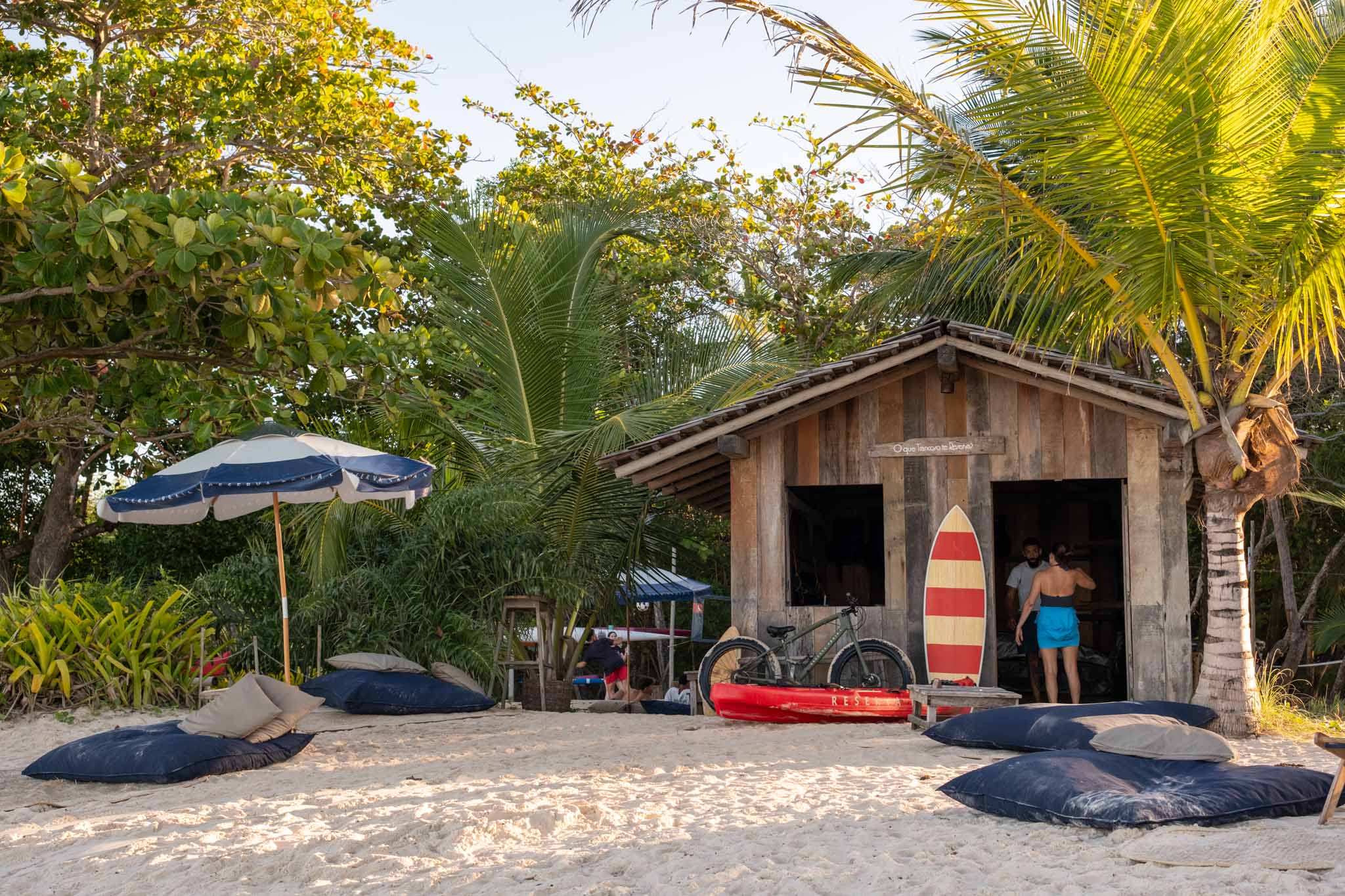
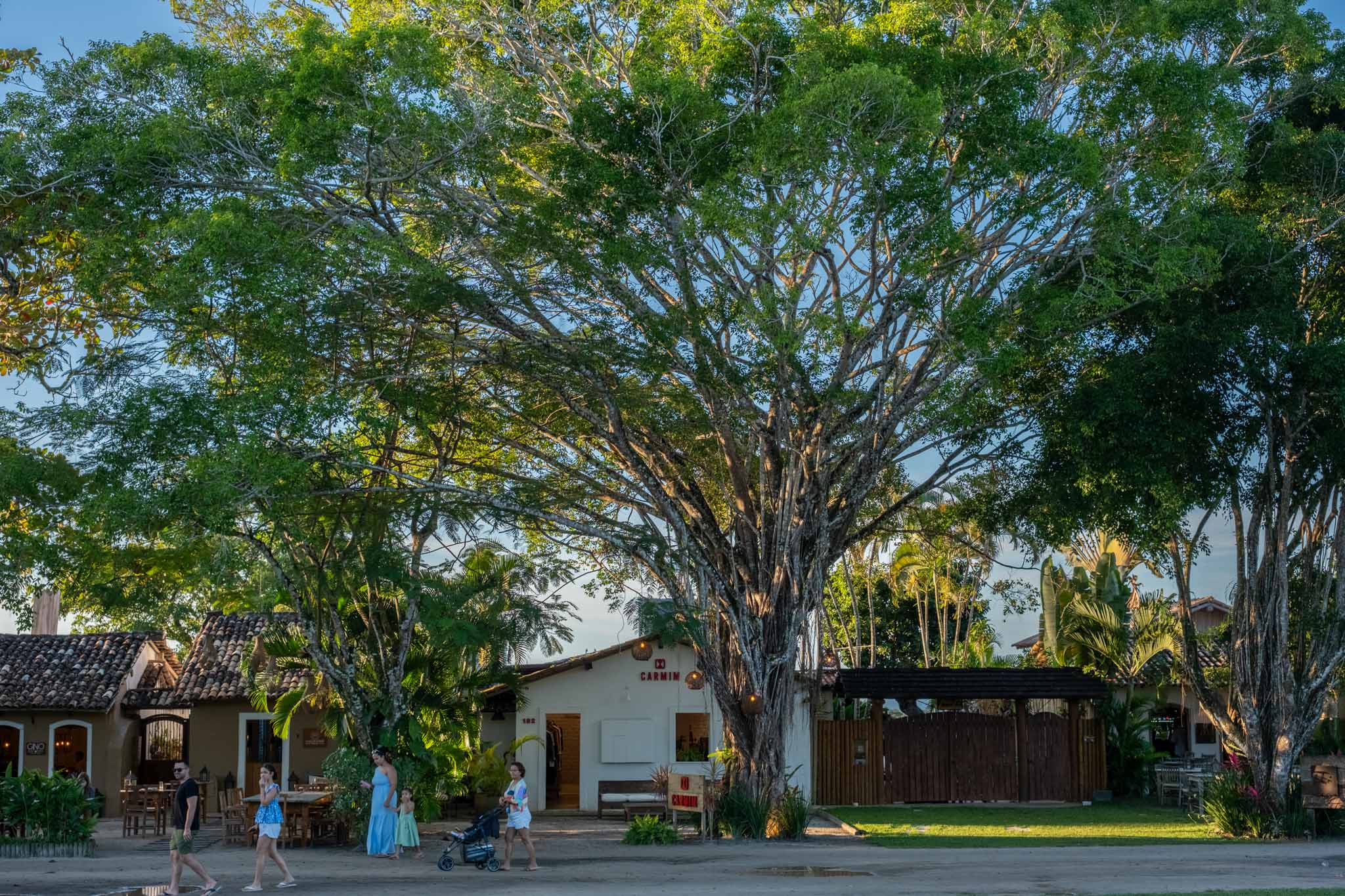
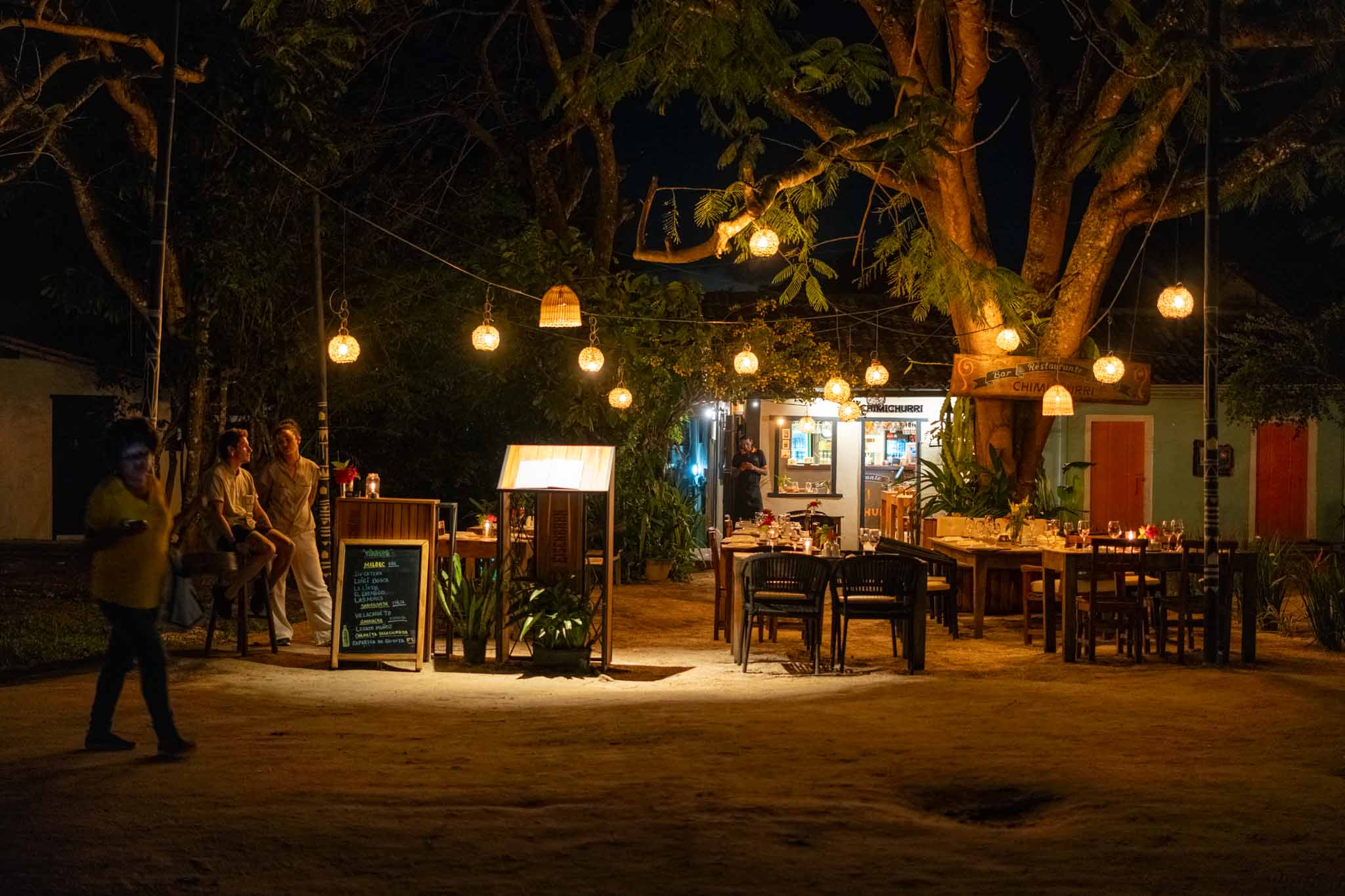
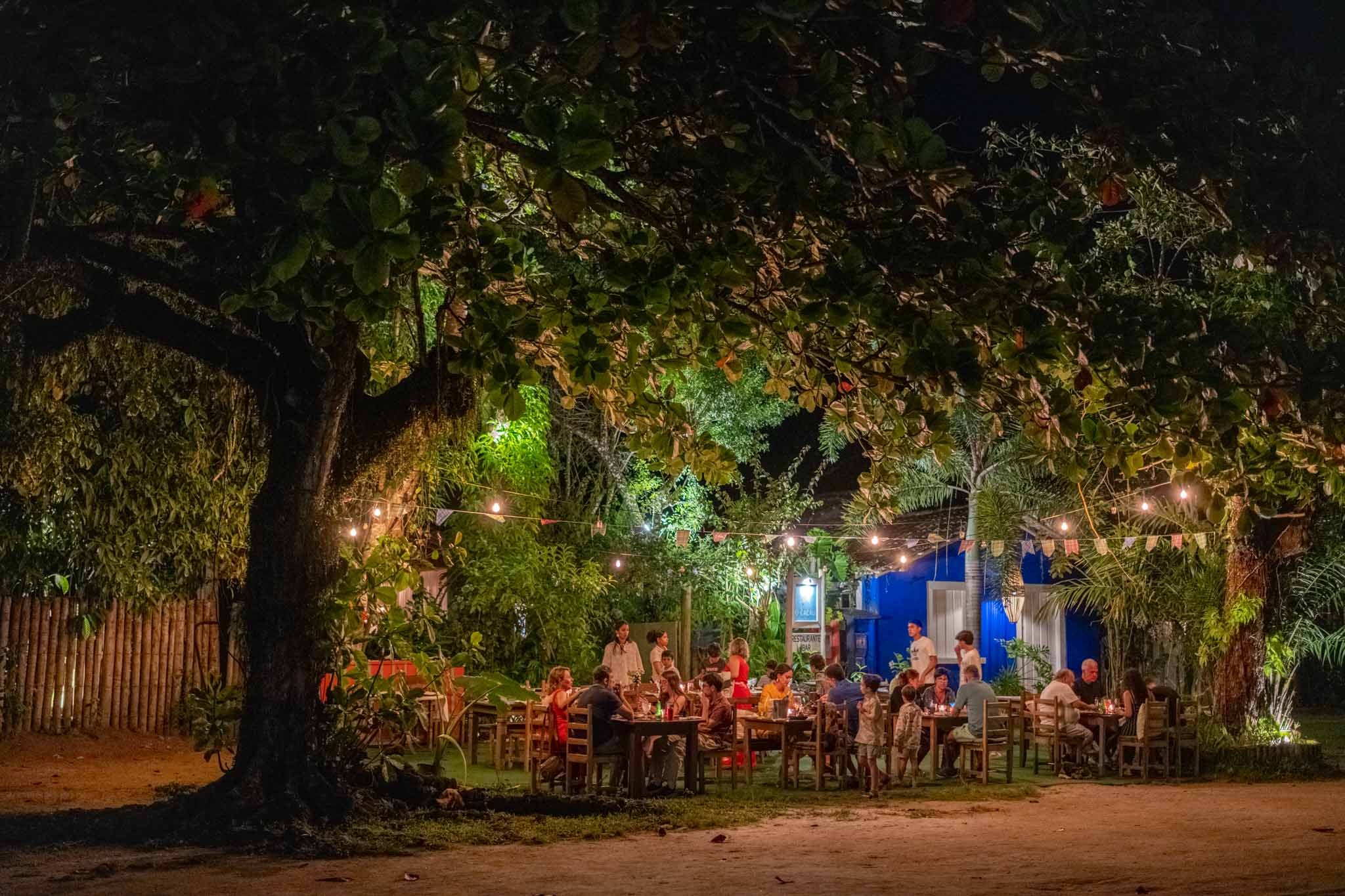
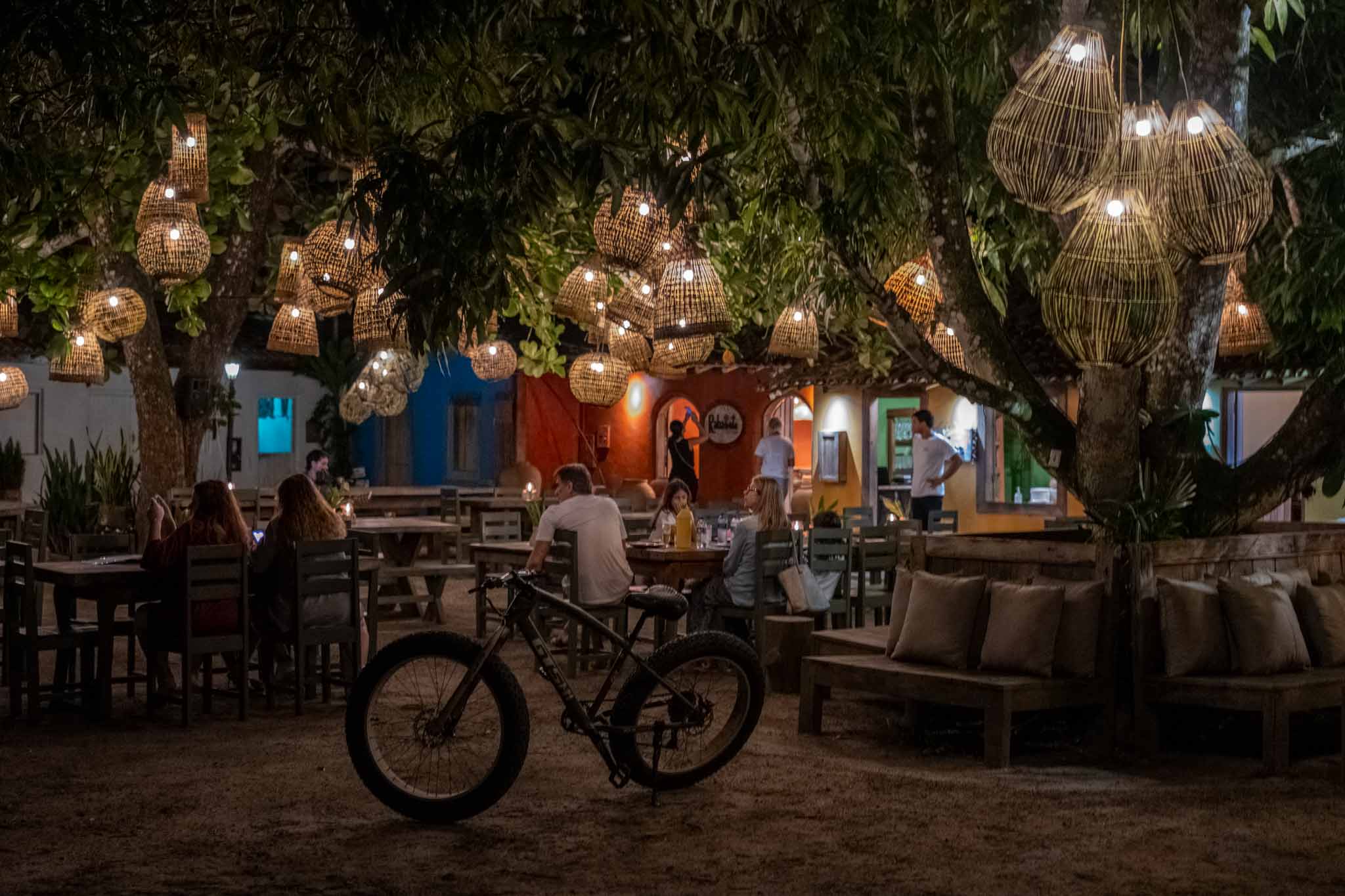
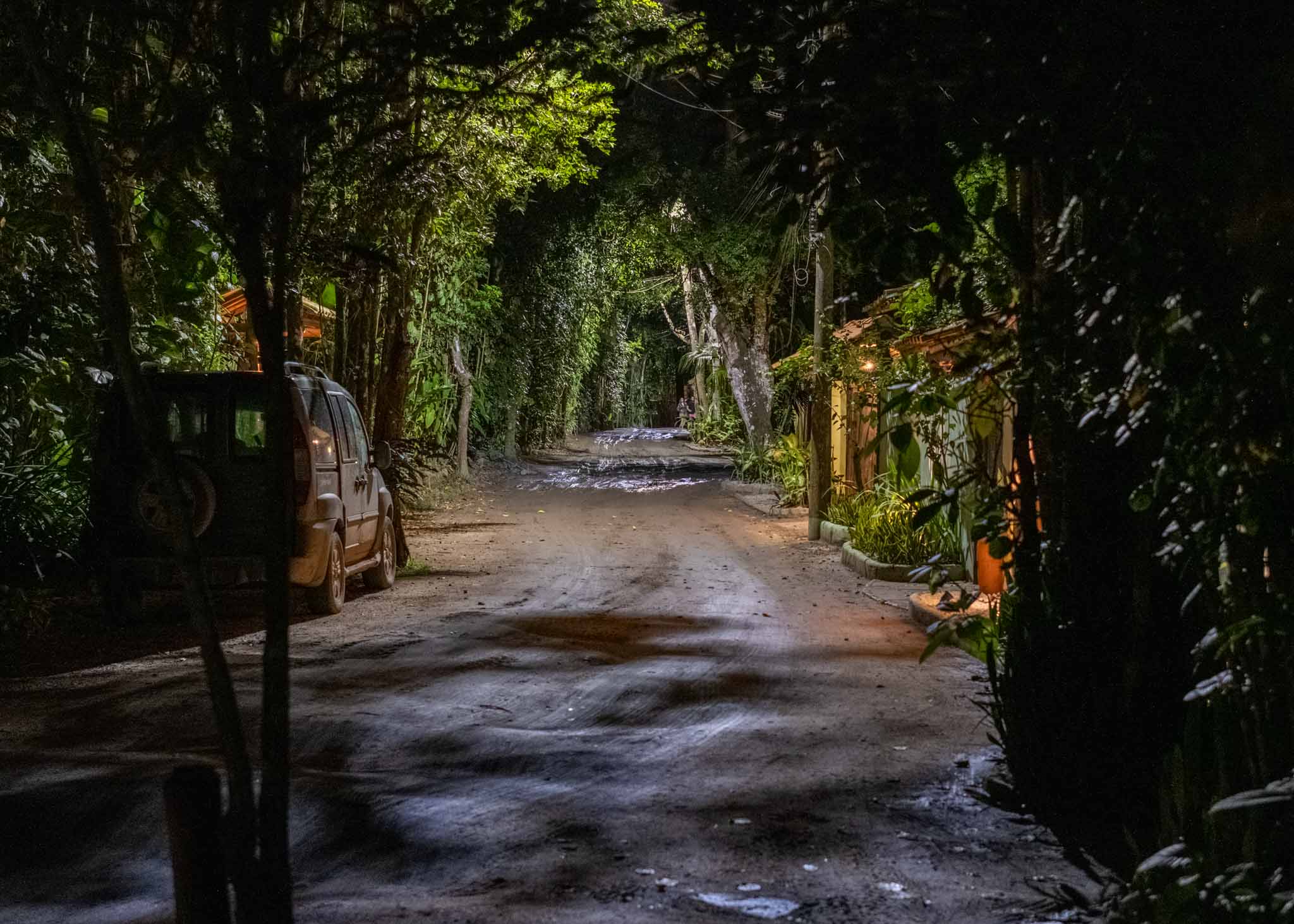
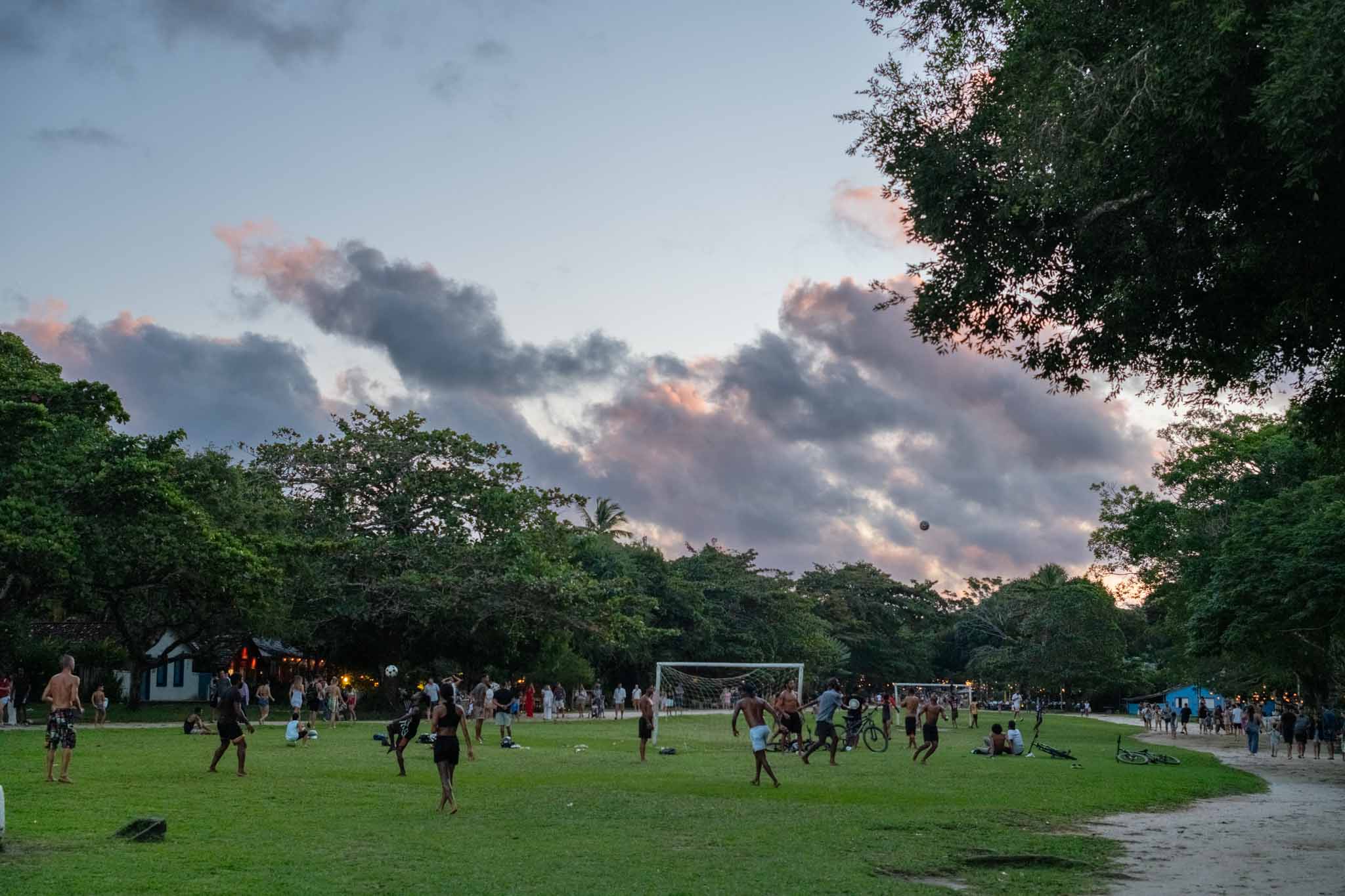
The beach here is lovely, but the real magic lies in the historic town square, which dates back a few centuries. Around its edges, restaurants and boutiques sit beneath enormous trees hung with lanterns that glow at night, casting a warm light over open-air tables and cobblestone paths. It creates a magical environment and ambiance that I haven’t experienced elsewhere. If I return to Trancoso, I’ll put more effort into capturing that in my photos.
Another key ingredient to what makes Trancoso a great place to visit is the food. Trancoso has great food. Trancoso is part of the state of Bahia, which has African influences (culture, food, and religion), and many of the popular dishes you will find in Trancoso reflect Bahian cuisine. I already wrote about discovering how good Moqueca is when I visited Pipa, and the Moqueca I ate most nights while in Trancoso was even better. Lime, curry, pepper, and fresh fish flavors were all distinctly separated, rather than the typical blend of a standard fish stew. One of those dishes that you can’t get enough of, that makes my mouth salivate while I write this. That’s Moqueca.
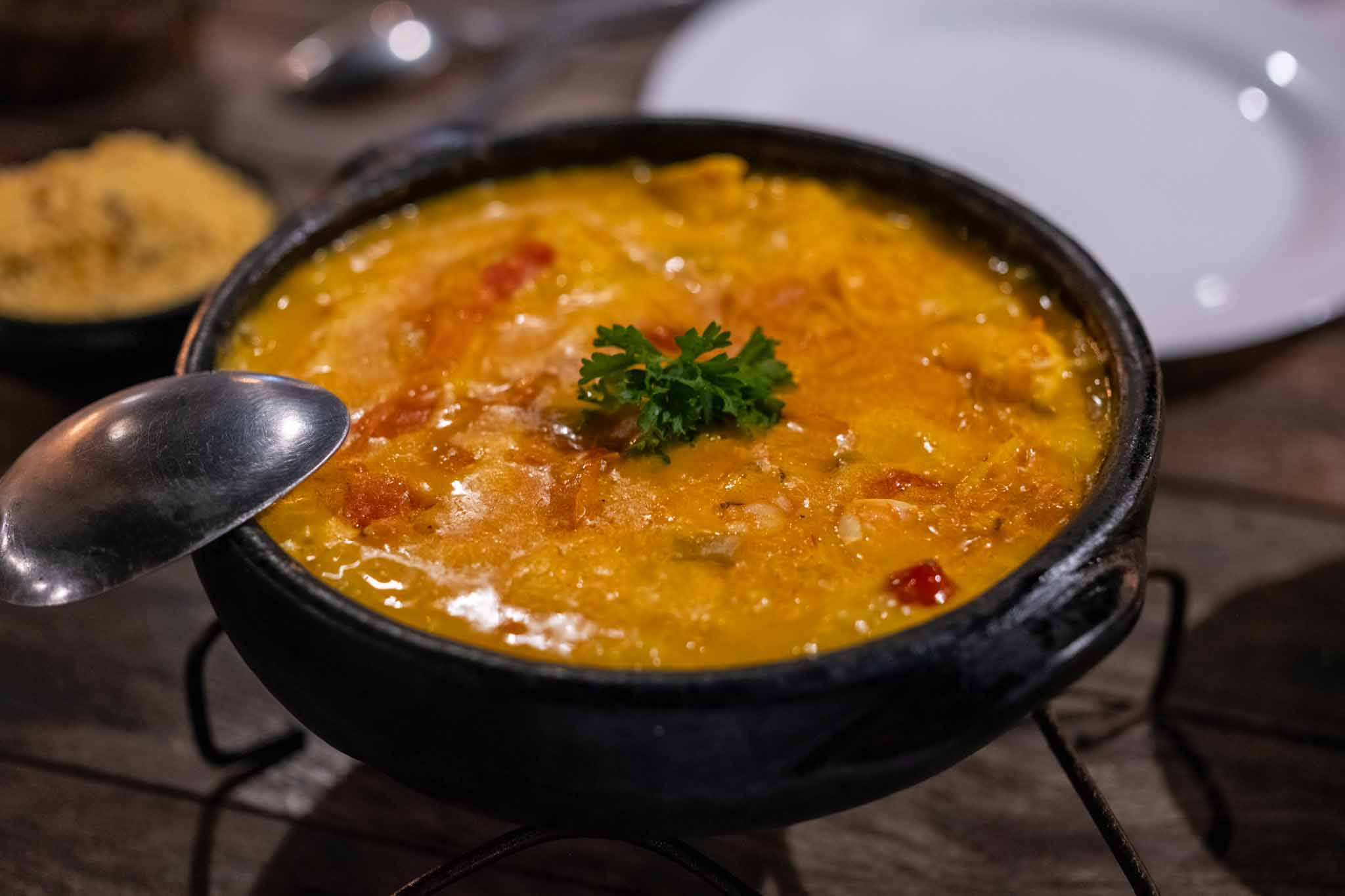
Unfortunately, all this great food in Trancoso isn’t inexpensive. Those charming, lantern-lit trees overhanging each of the restaurants are sort of like deep-sea angler fish luring in visitors. The meals are expensive compared to Brazil, but when you are in a destination like Trancoso, it’s worth the price.
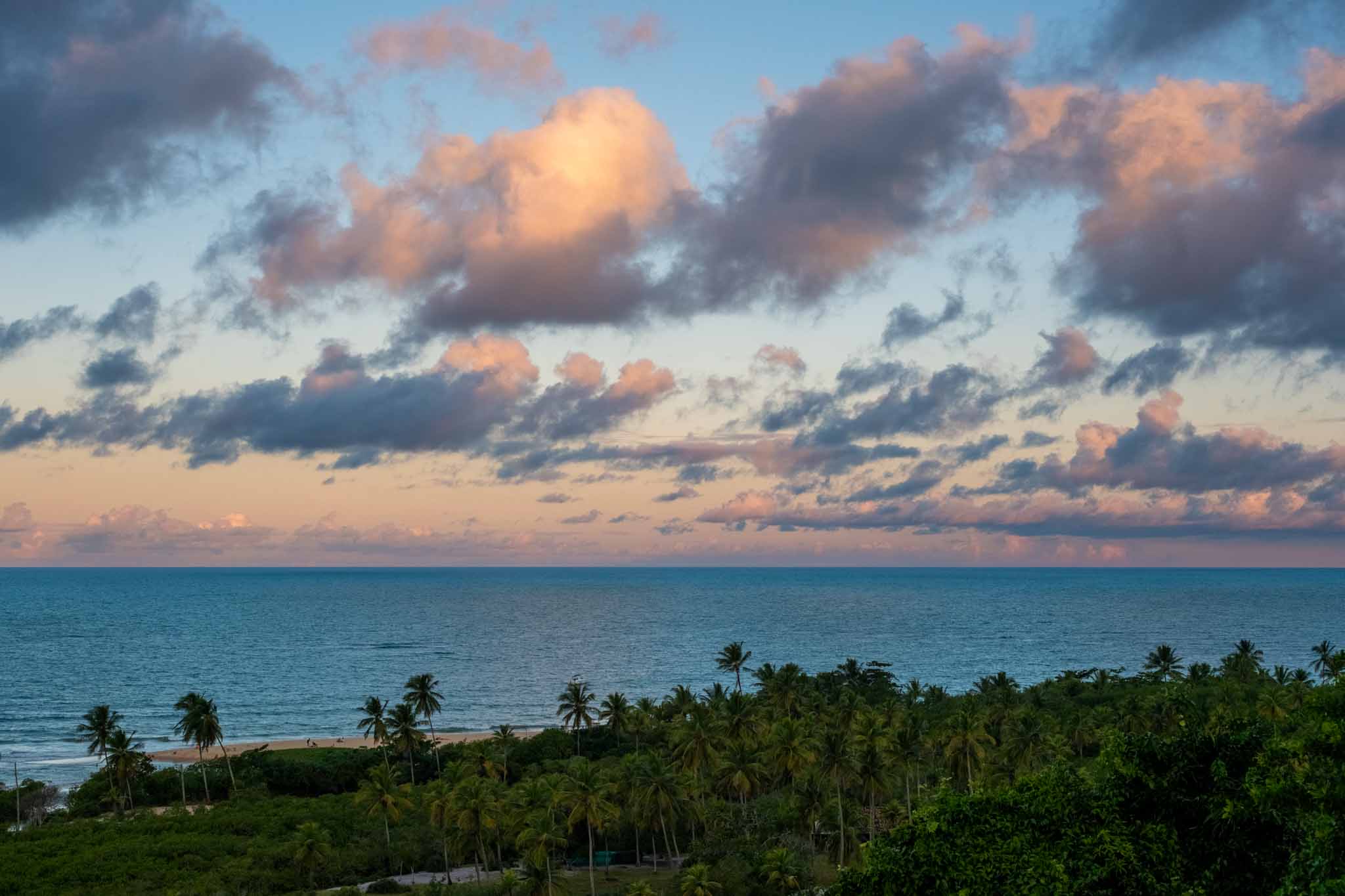
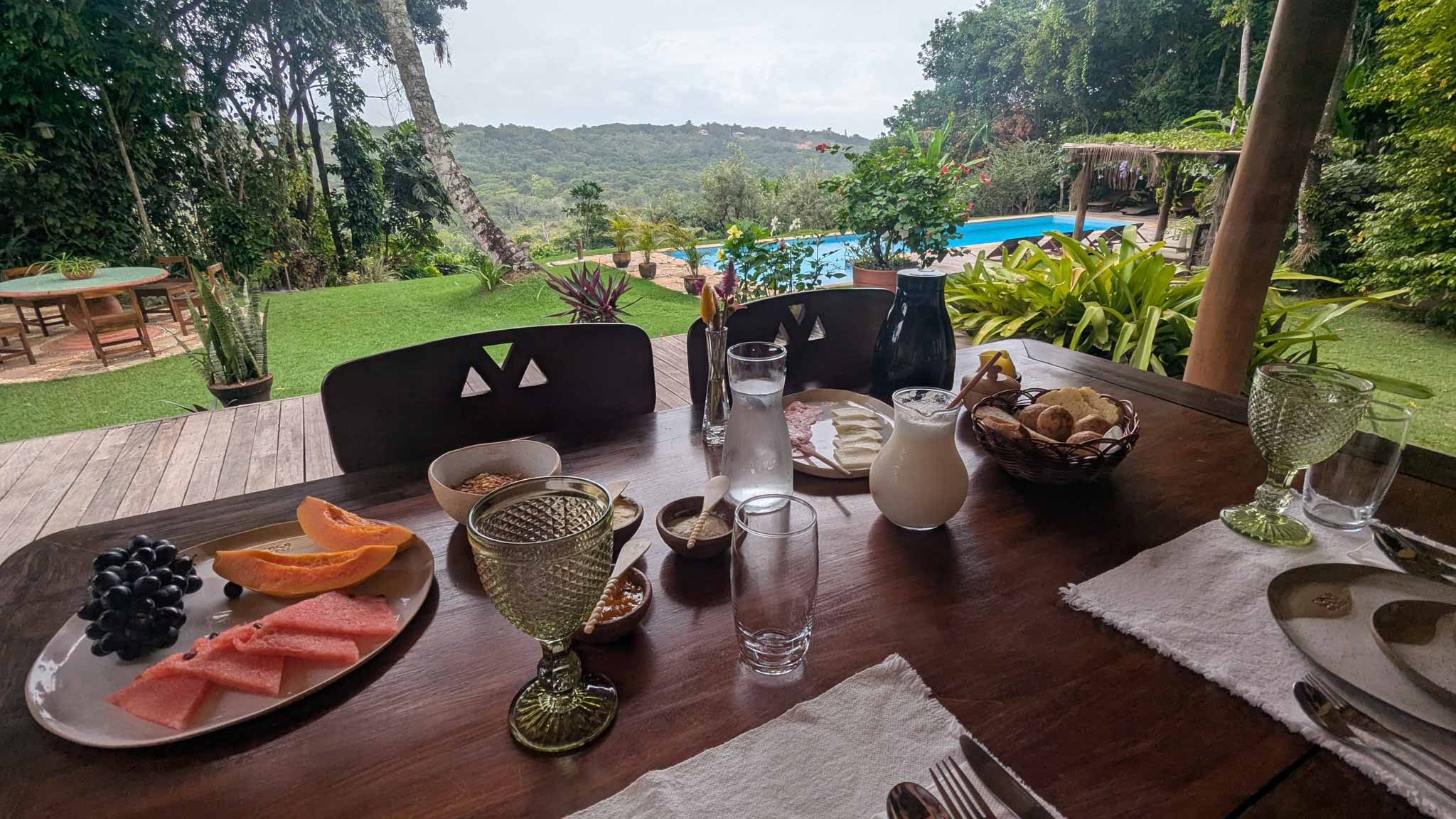
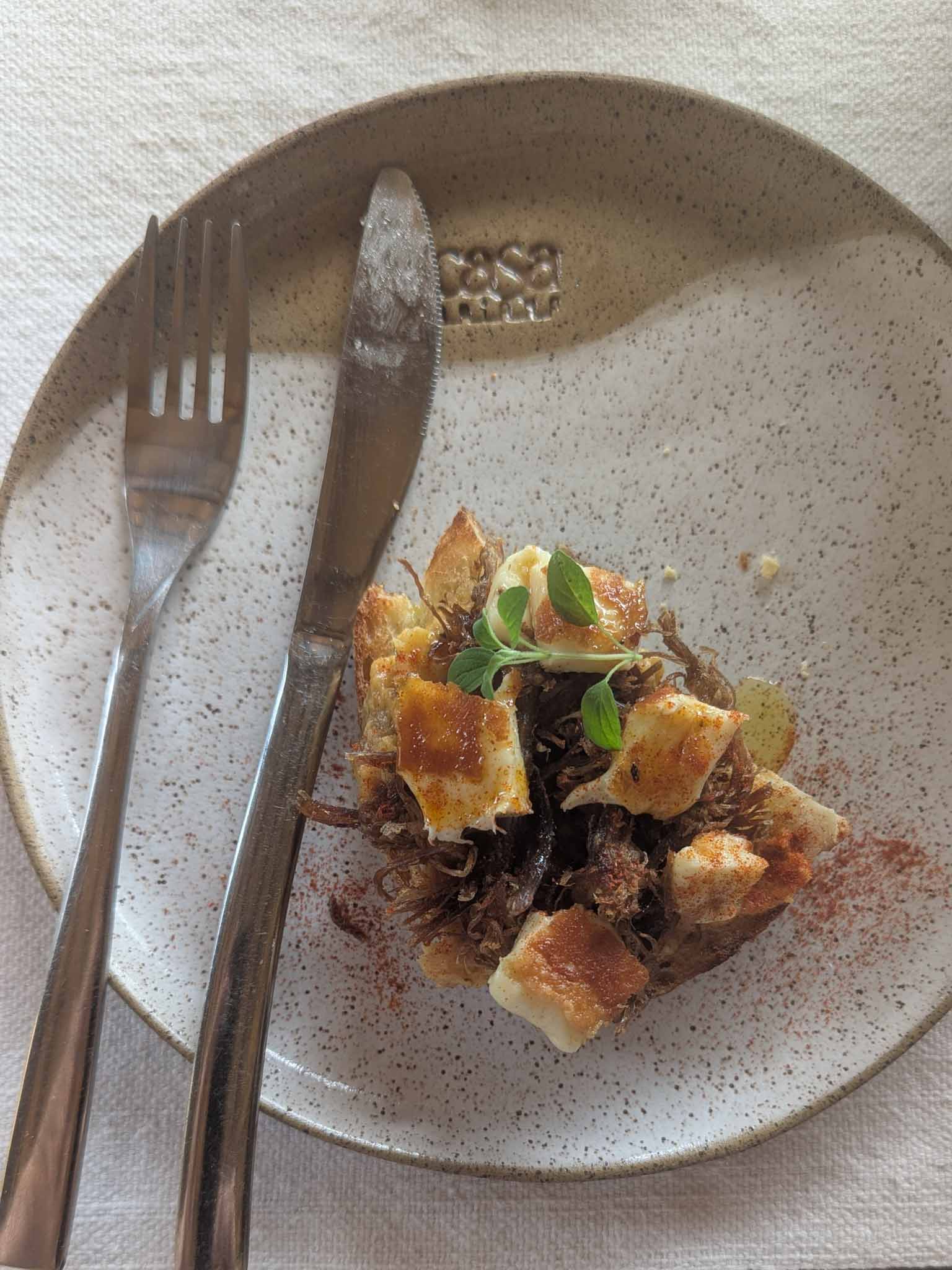
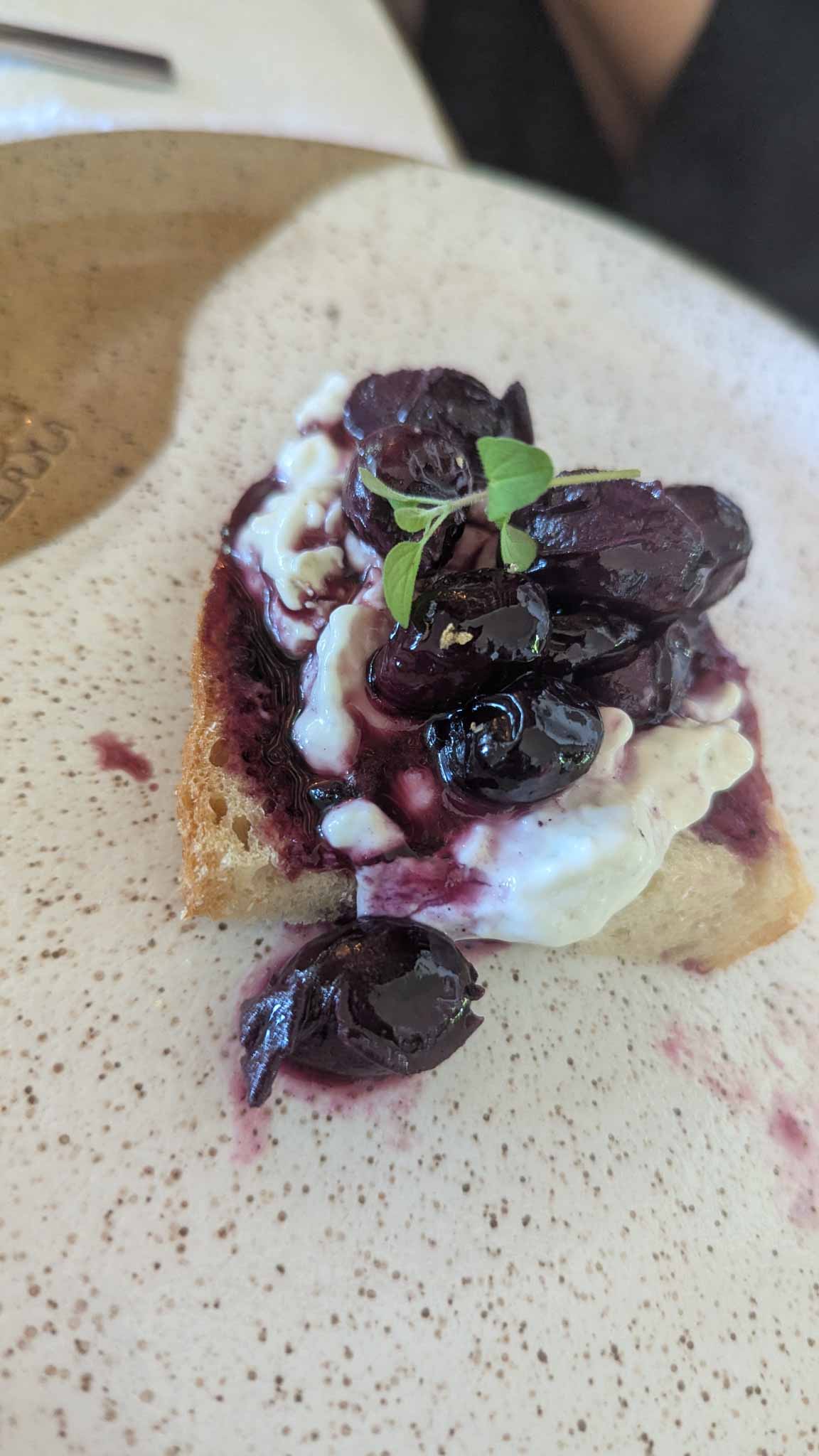
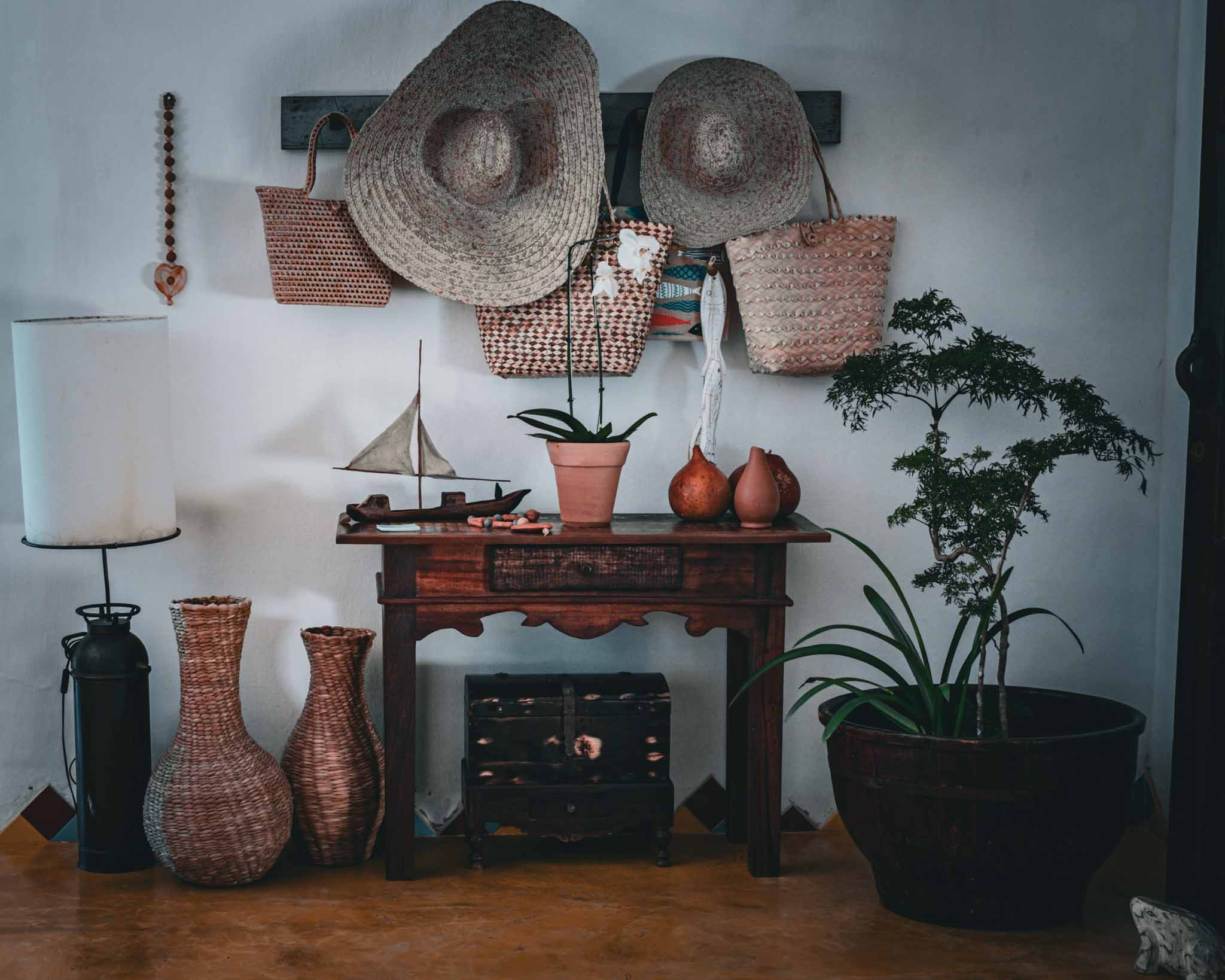
Trancoso has dozens of Pousadas (bed and breakfasts) that serve as hotels, scattered within walking distance to the main square. I stayed in a really nice bed and breakfast called Casa Baiana, which had a friendly staff willing to accommodate me as I set up my laptop and worked from the breakfast table each day. The breakfasts they served each morning were a little too delicious, consisting of four courses, along with coffee made to order. As someone who skips breakfast, I adjusted my routine to accommodate these 1,500-calorie breakfasts.
I spend a lot of time in Trancoso working and worrying about some health issues that surfaced unexpectedly. The good news regarding both is that the work I was focused on covered the cost of the Moqueca, and those health issues ended up being non-issues. I suppose we can all benefit from an occasional scare if it prompts us to reevaluate our priorities and appreciate the things we have in life that won’t always be there.