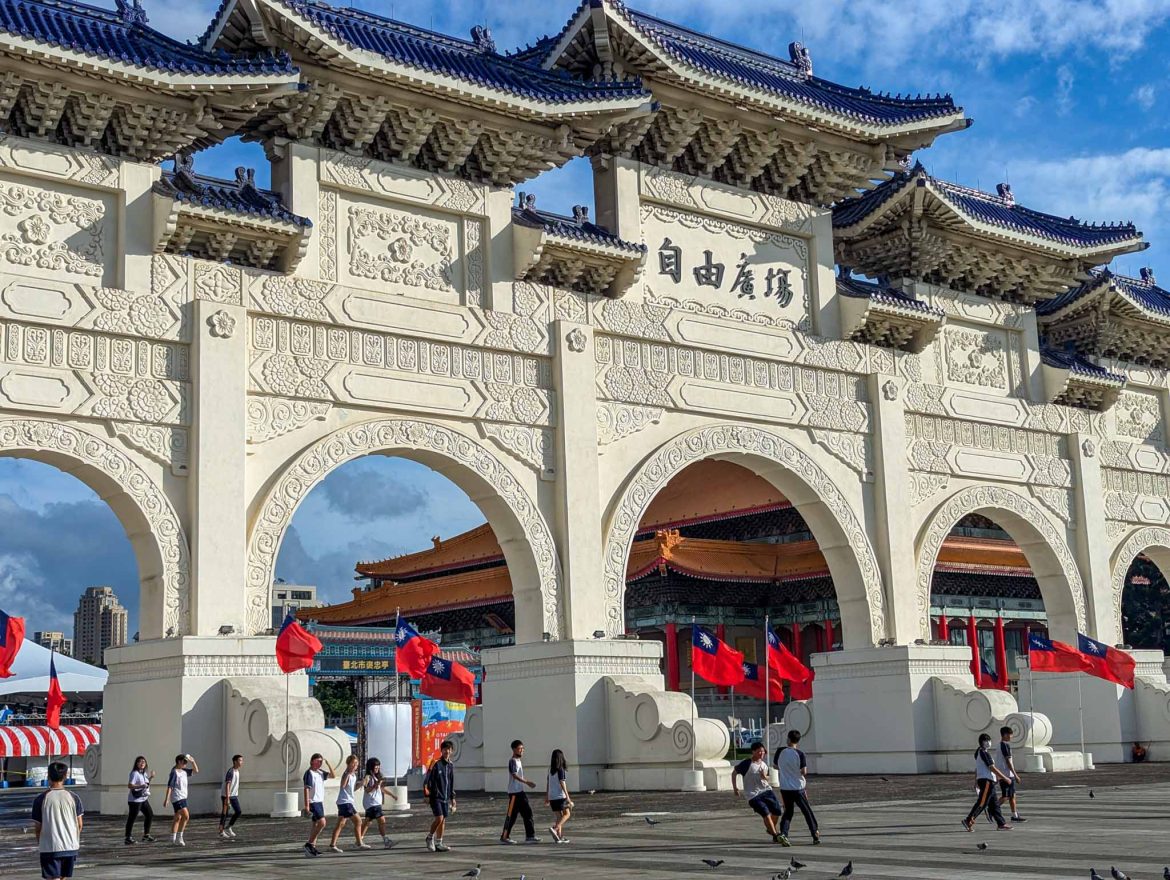
I’m grateful I had the chance to visit Ukraine in 2019—before Russia’s invasion changed everything. I’ve had similar feelings about Taiwan. It feels like a place living on borrowed time, quietly awaiting a potential Chinese invasion.
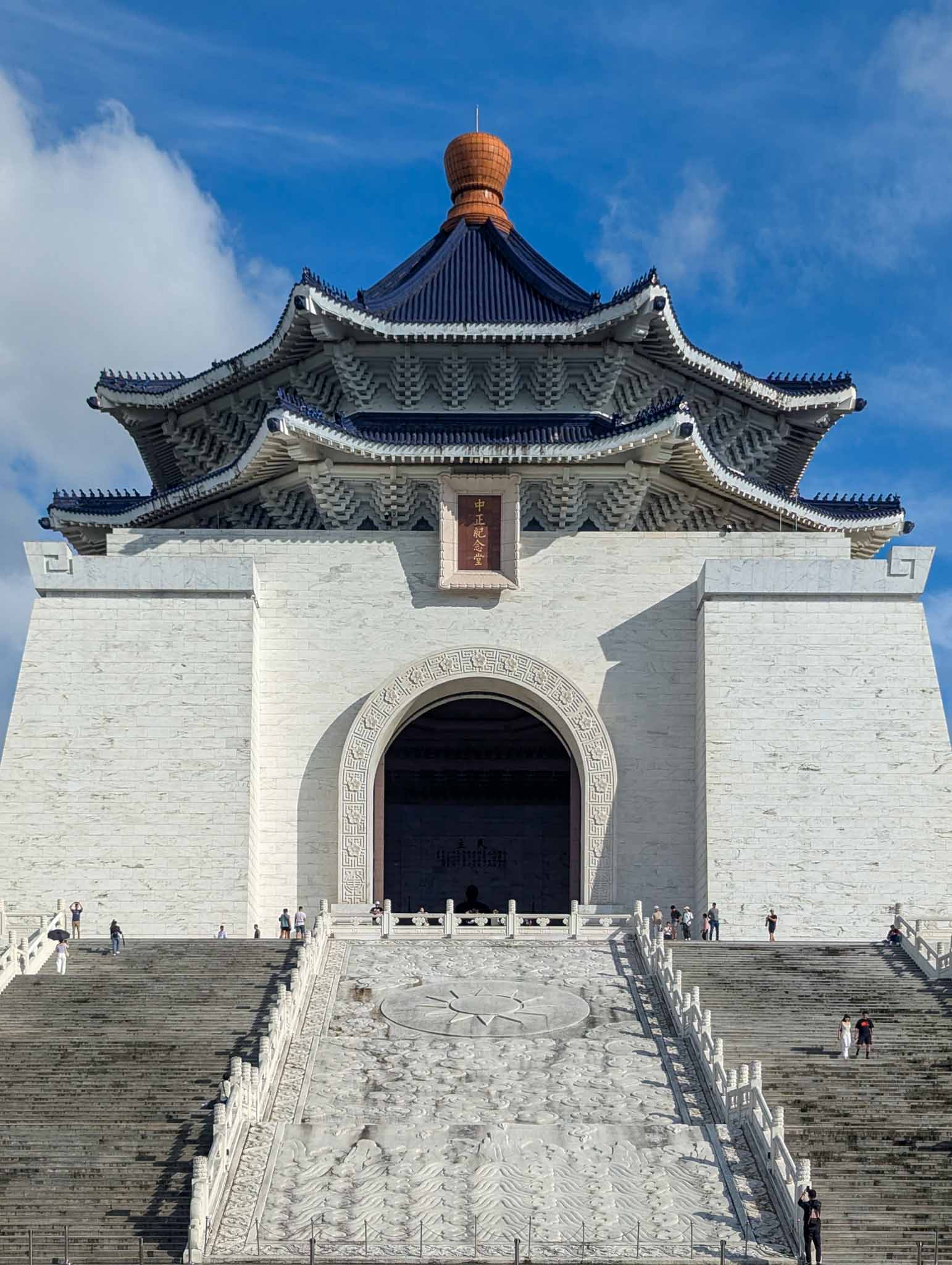
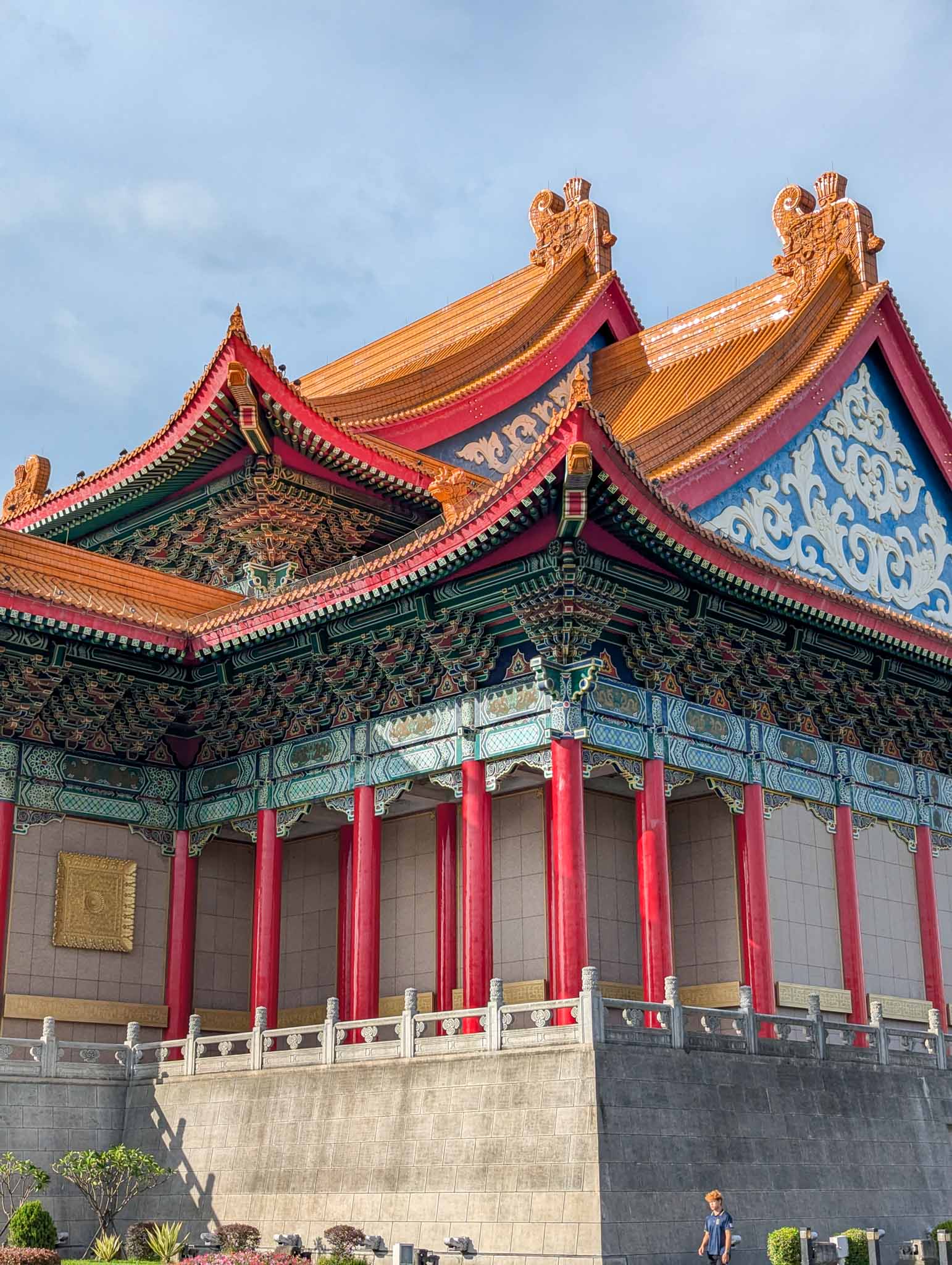
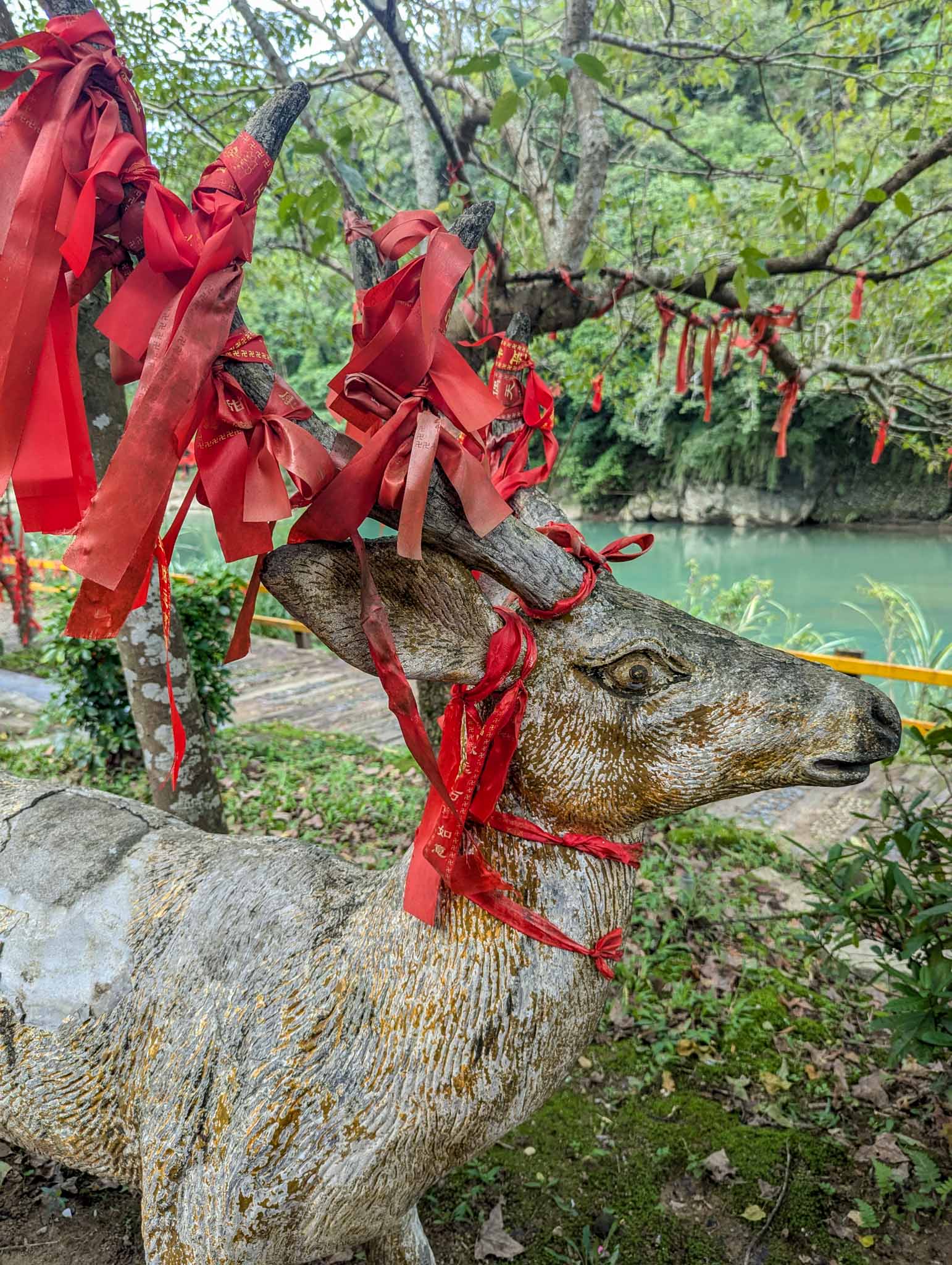
One of the central themes of my experience in Taiwan was the striking convergence of Japanese and Chinese cultural and historical influences. I was surprised to hear some locals express openness to the idea of Chinese rule, believing it might bring improvements to infrastructure, governance, and quality of life. Of course, not everyone shares that view. Like anywhere else, Taiwan has its own political factions, each with distinct perspectives and interests. Hearing those views firsthand was eye-opening.
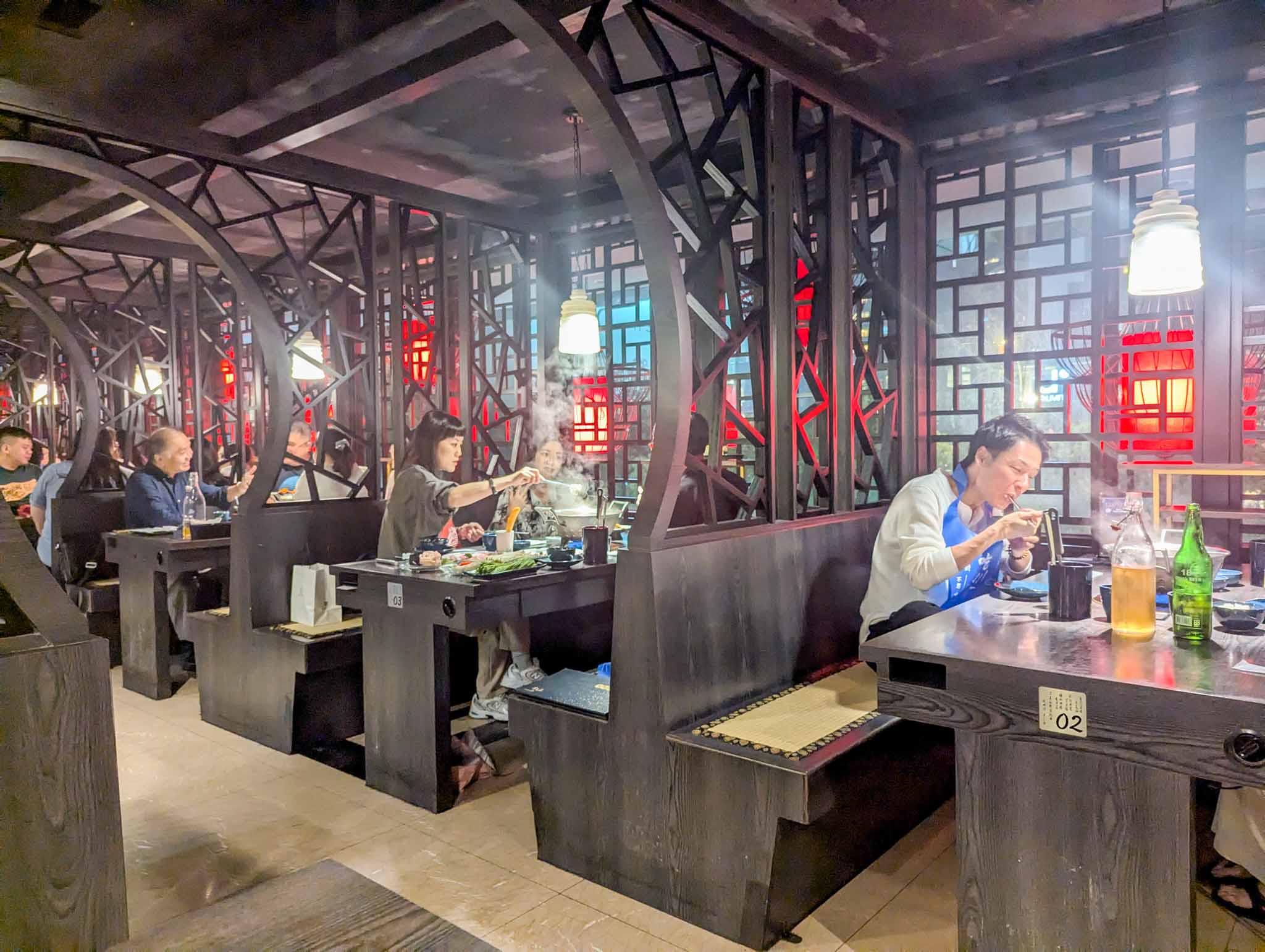
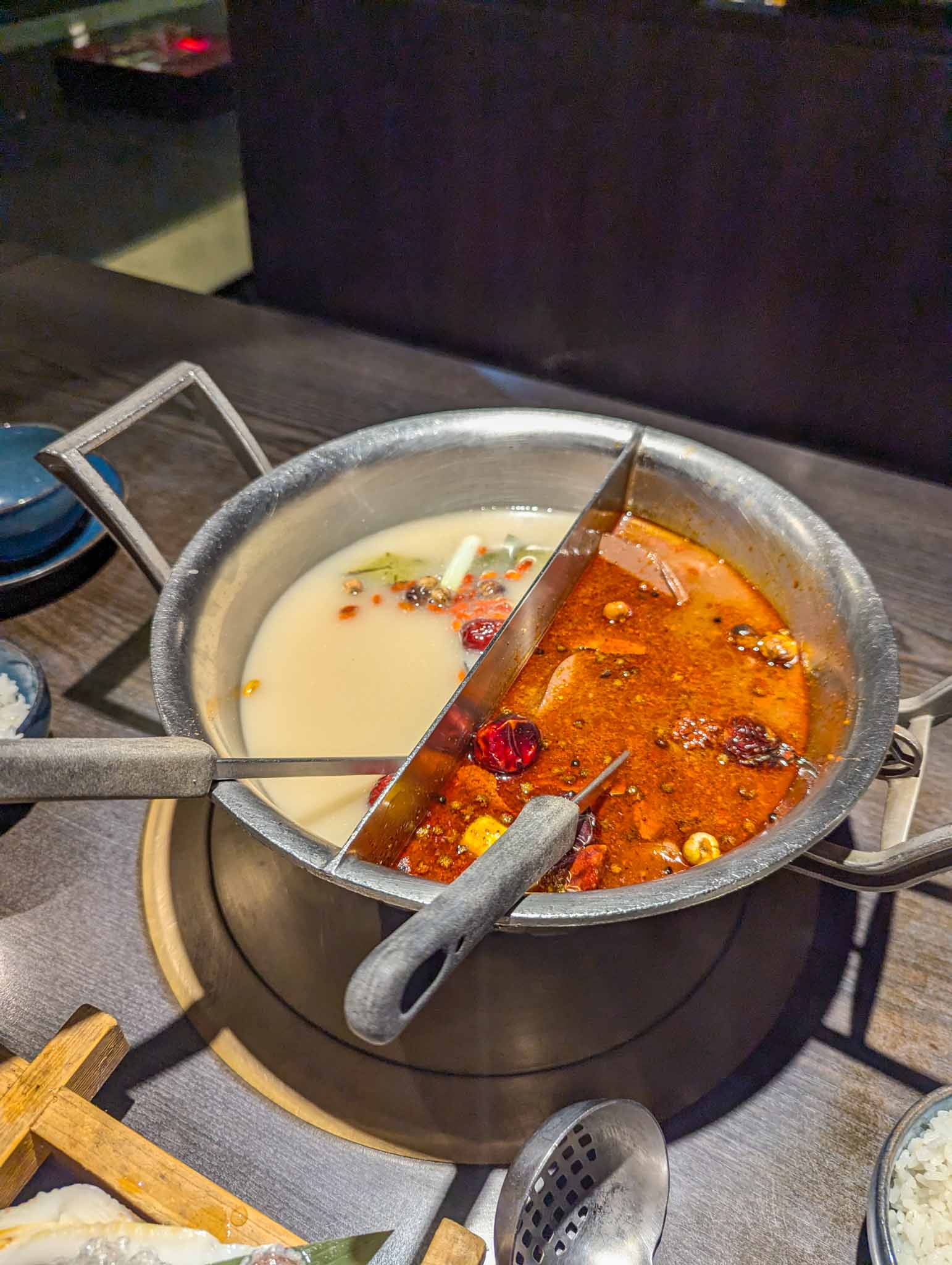
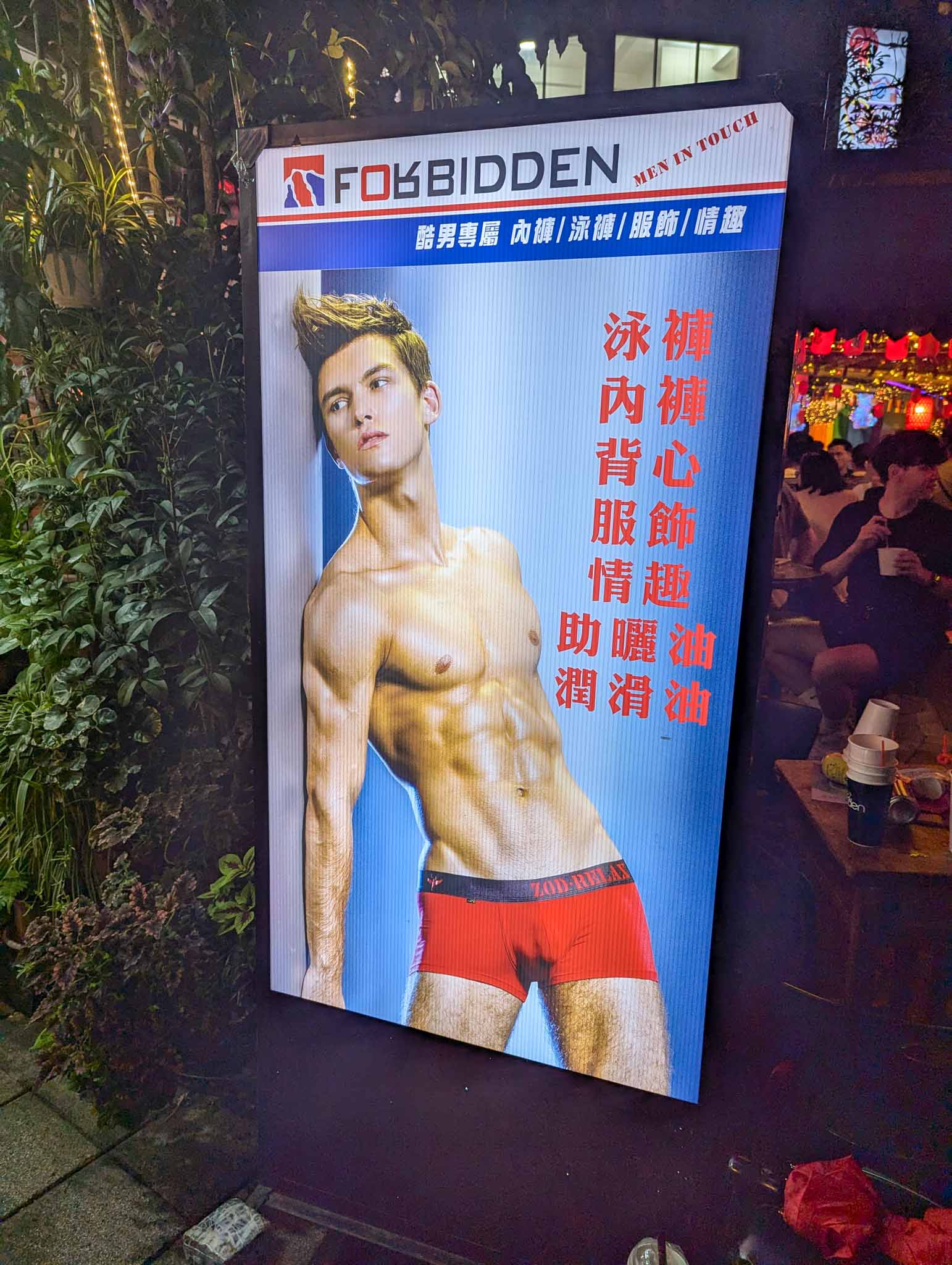
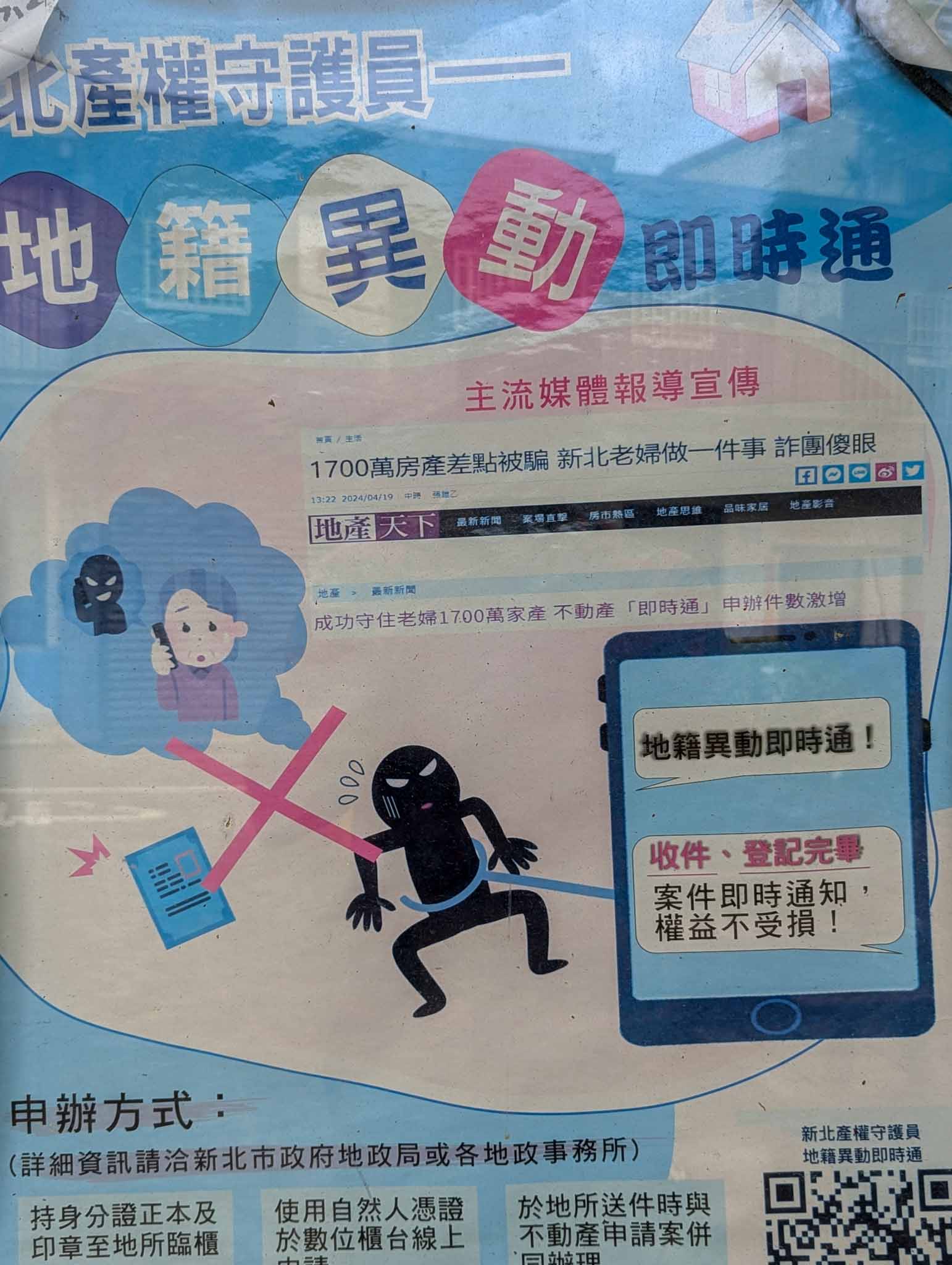
Taiwanese cuisine reflects the island’s cultural hybridity—rooted in its own traditions while clearly shaped by both Chinese and Japanese elements. Traditional Mandarin is still spoken here, making Taiwan one of the few places where simplified characters aren’t the norm. While some people spoke English—especially in cosmopolitan Taipei—English menus weren’t common. That said, locals were consistently kind and patient as I fumbled my way through conversations in Mandarin.
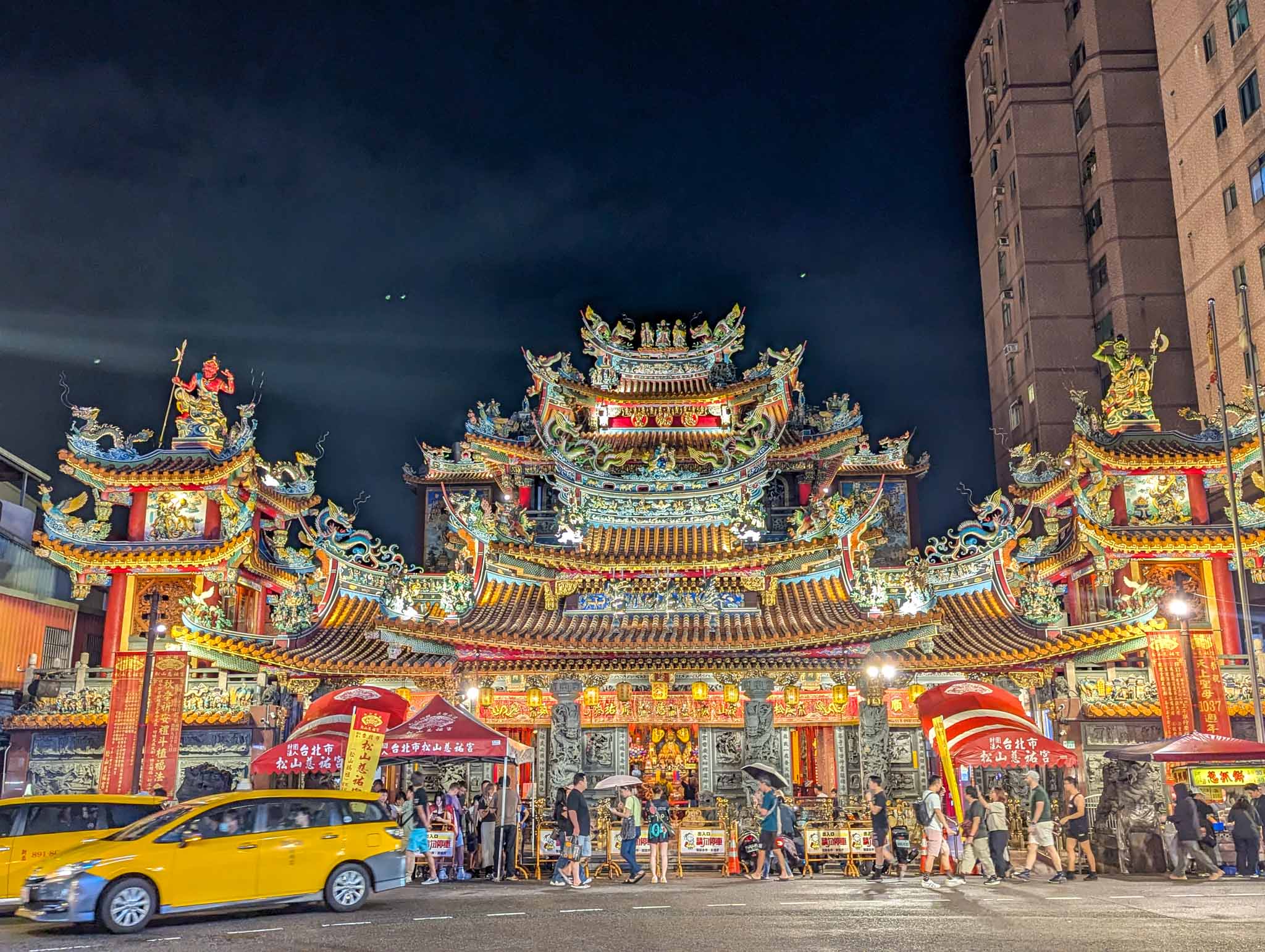
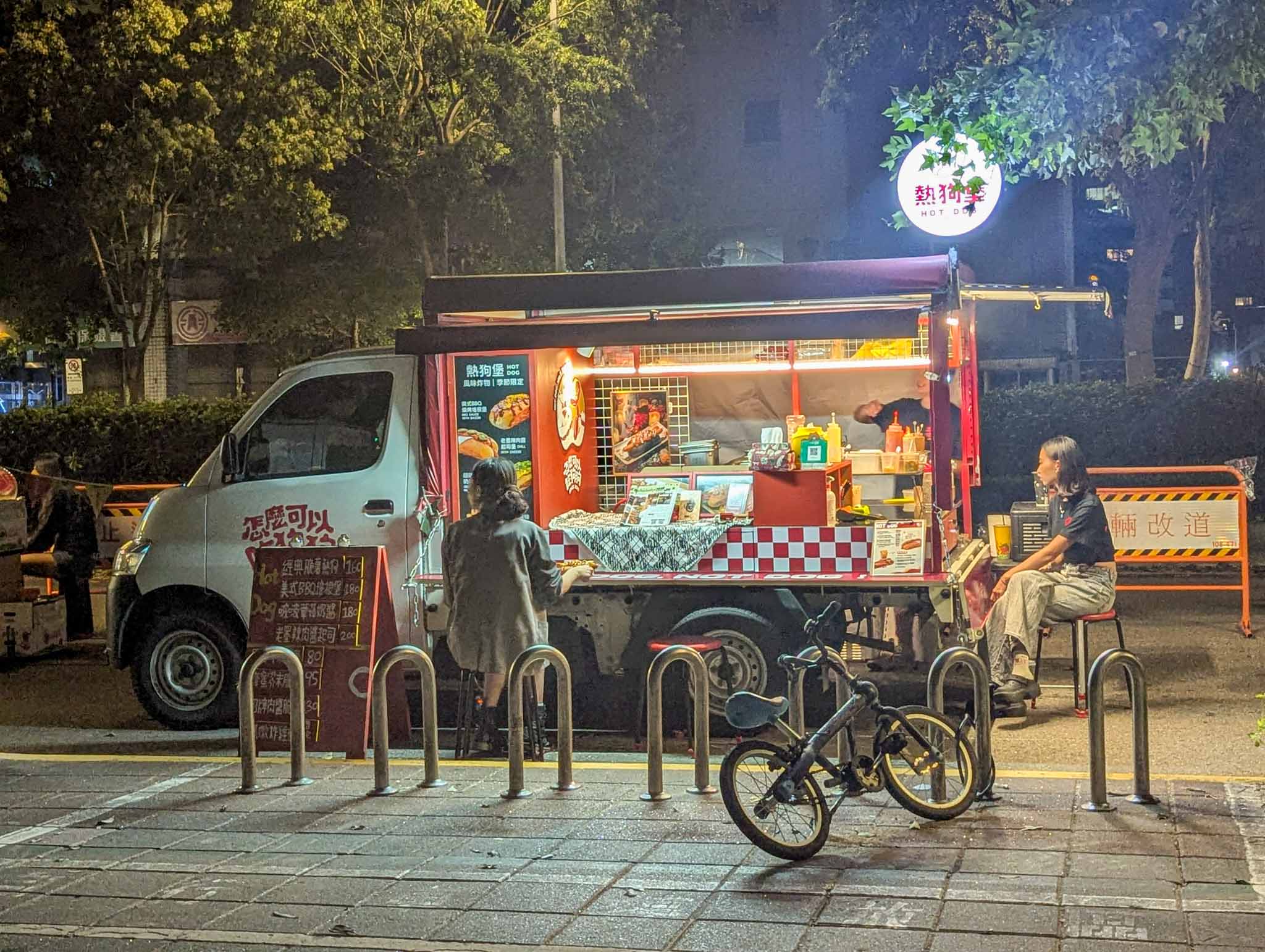
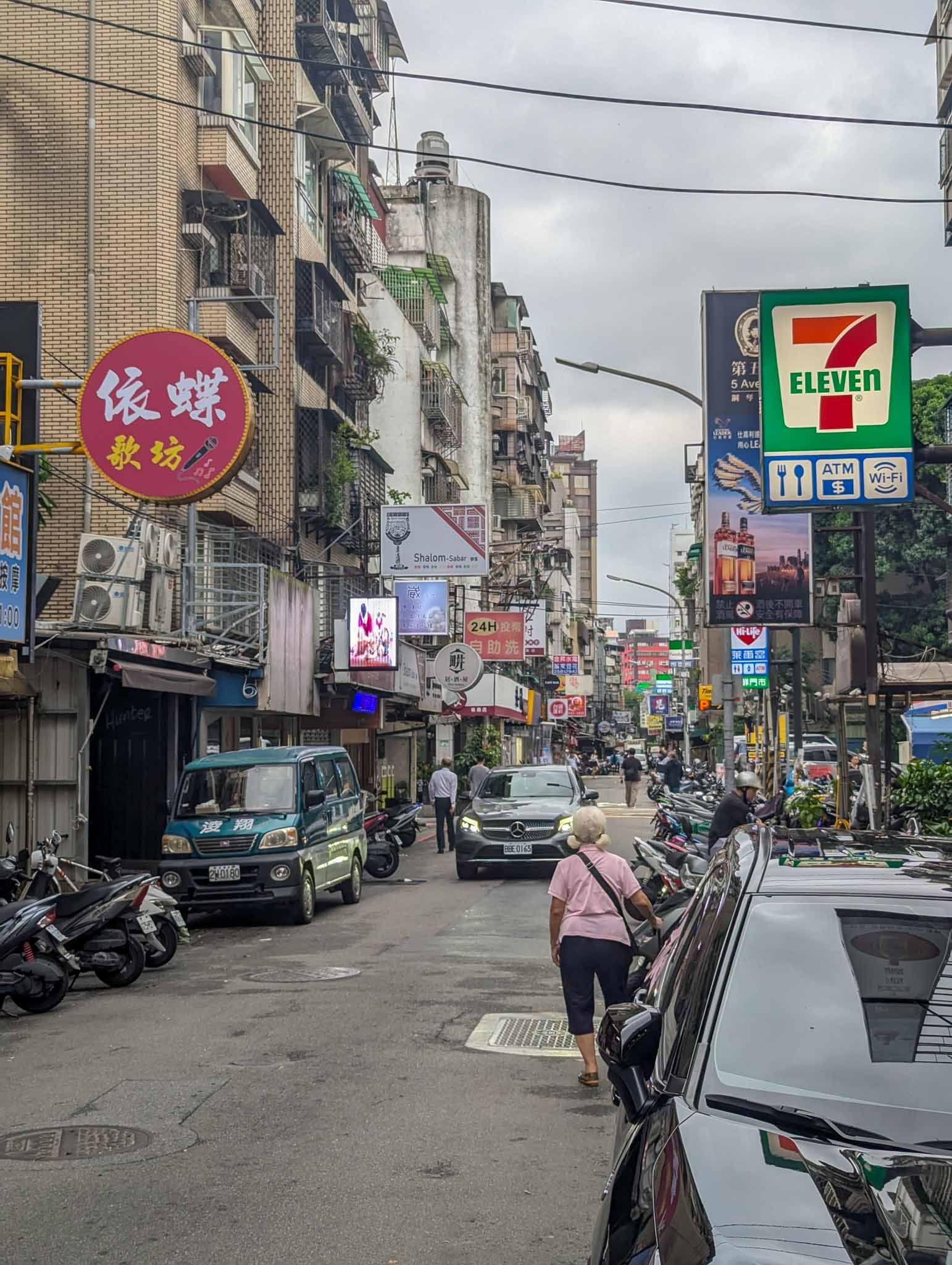
In one surreal moment, I walked into a 7-Eleven and ran into Kevin, an old friend I hadn’t seen since 2016. Turns out, he’s been living in Taipei all this time. What are the odds? I also had the pleasure of meeting his (now) wife Joy, and was lucky to spend time with them both while in the city.
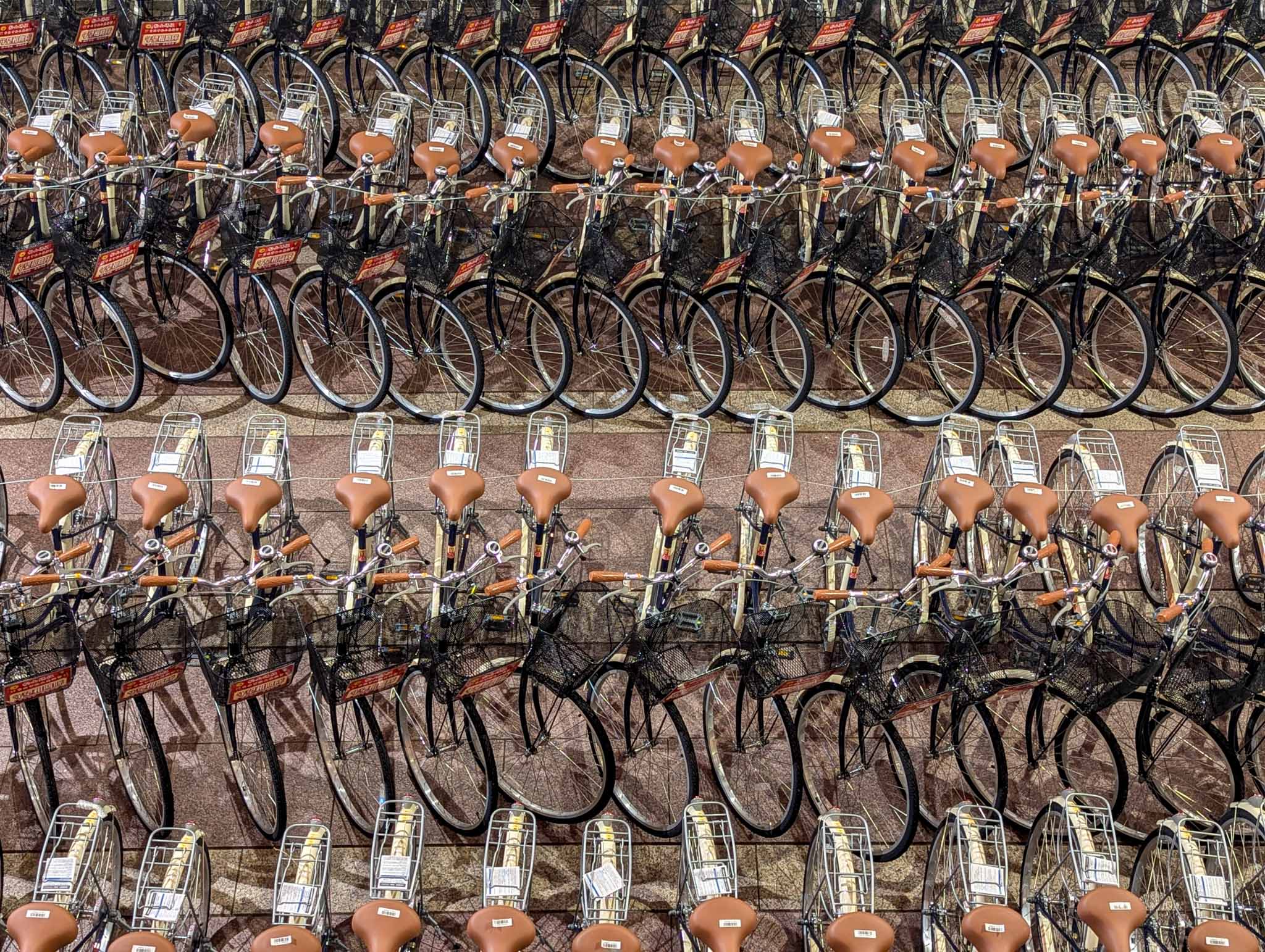
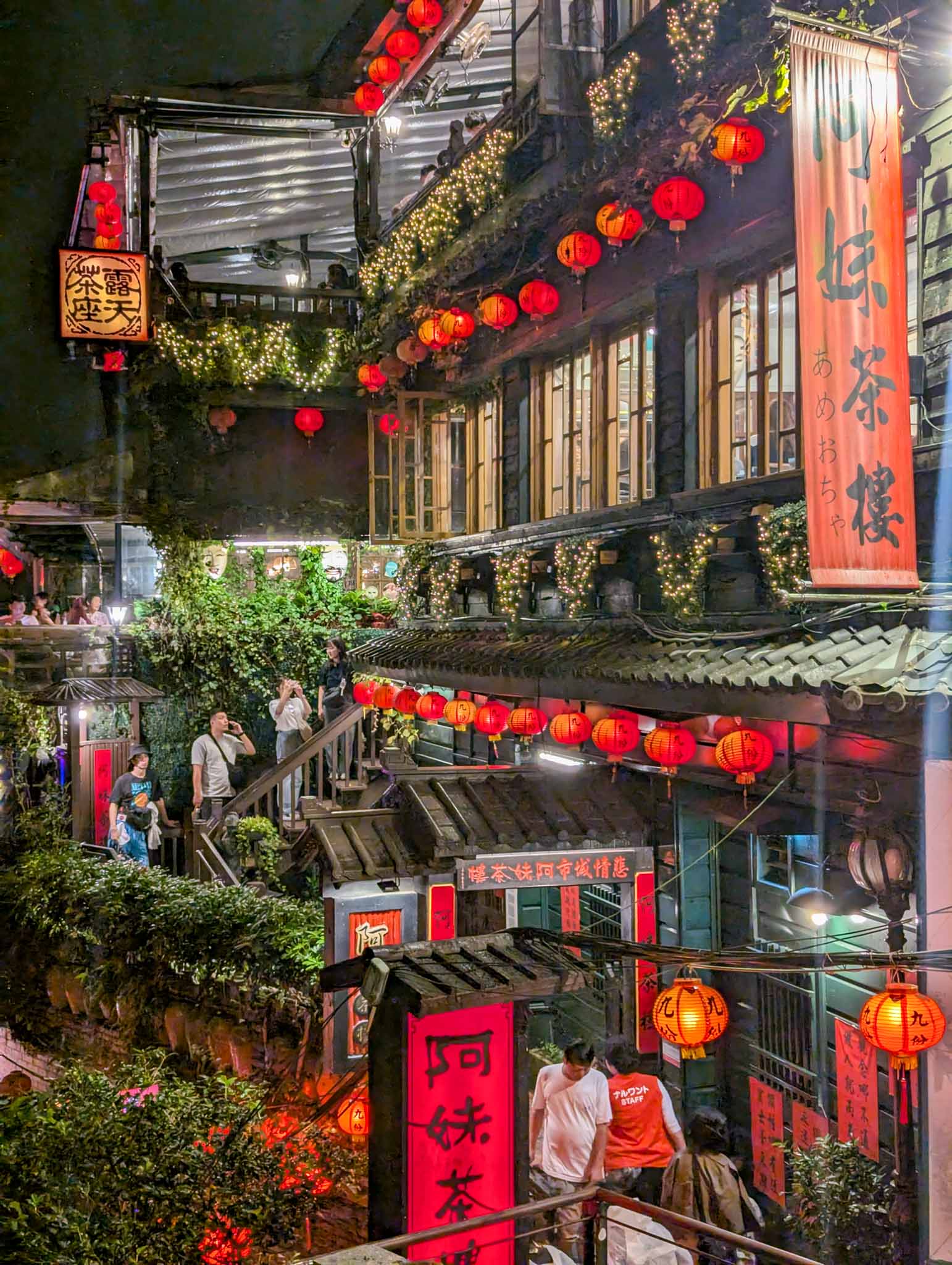
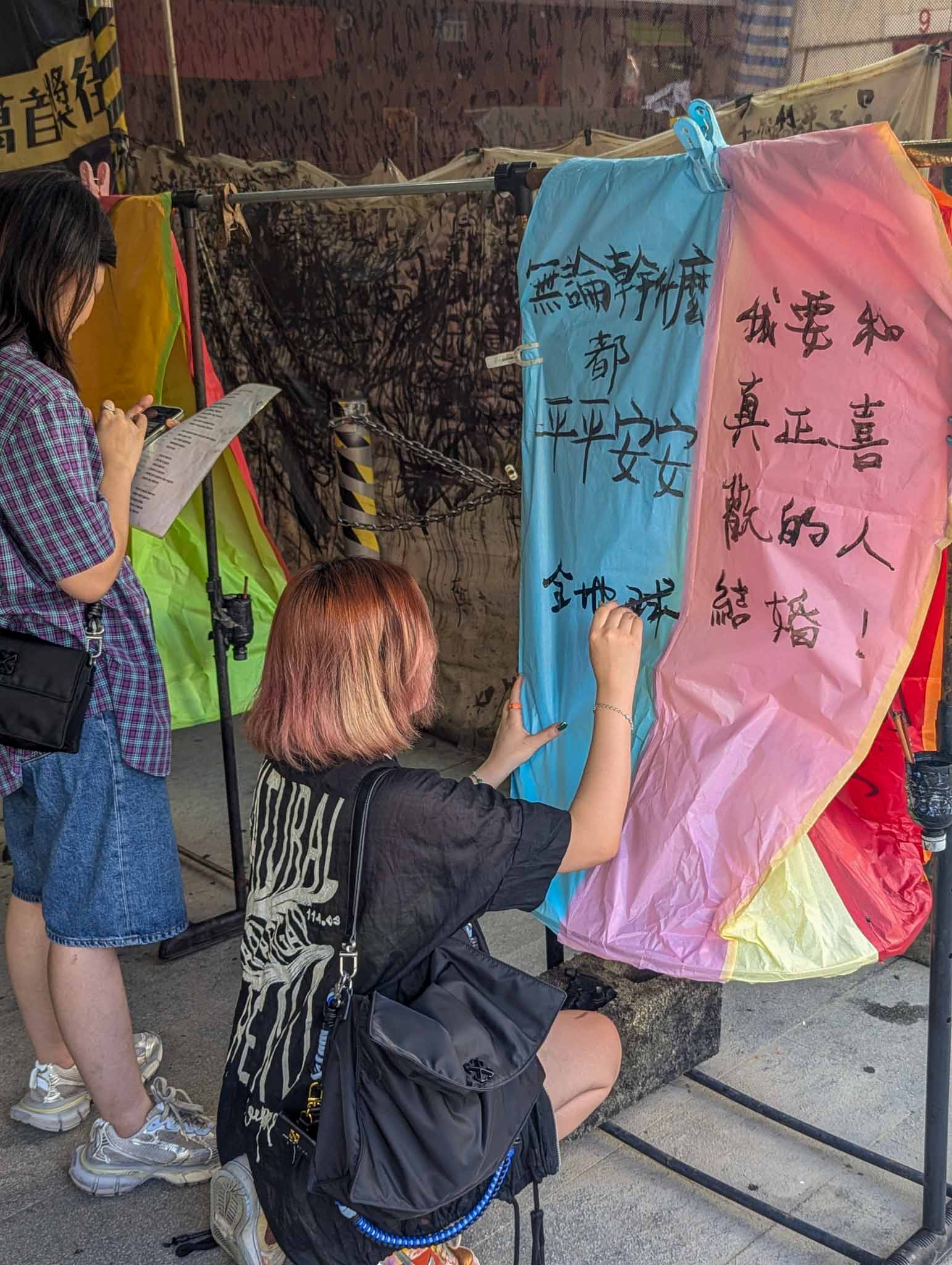
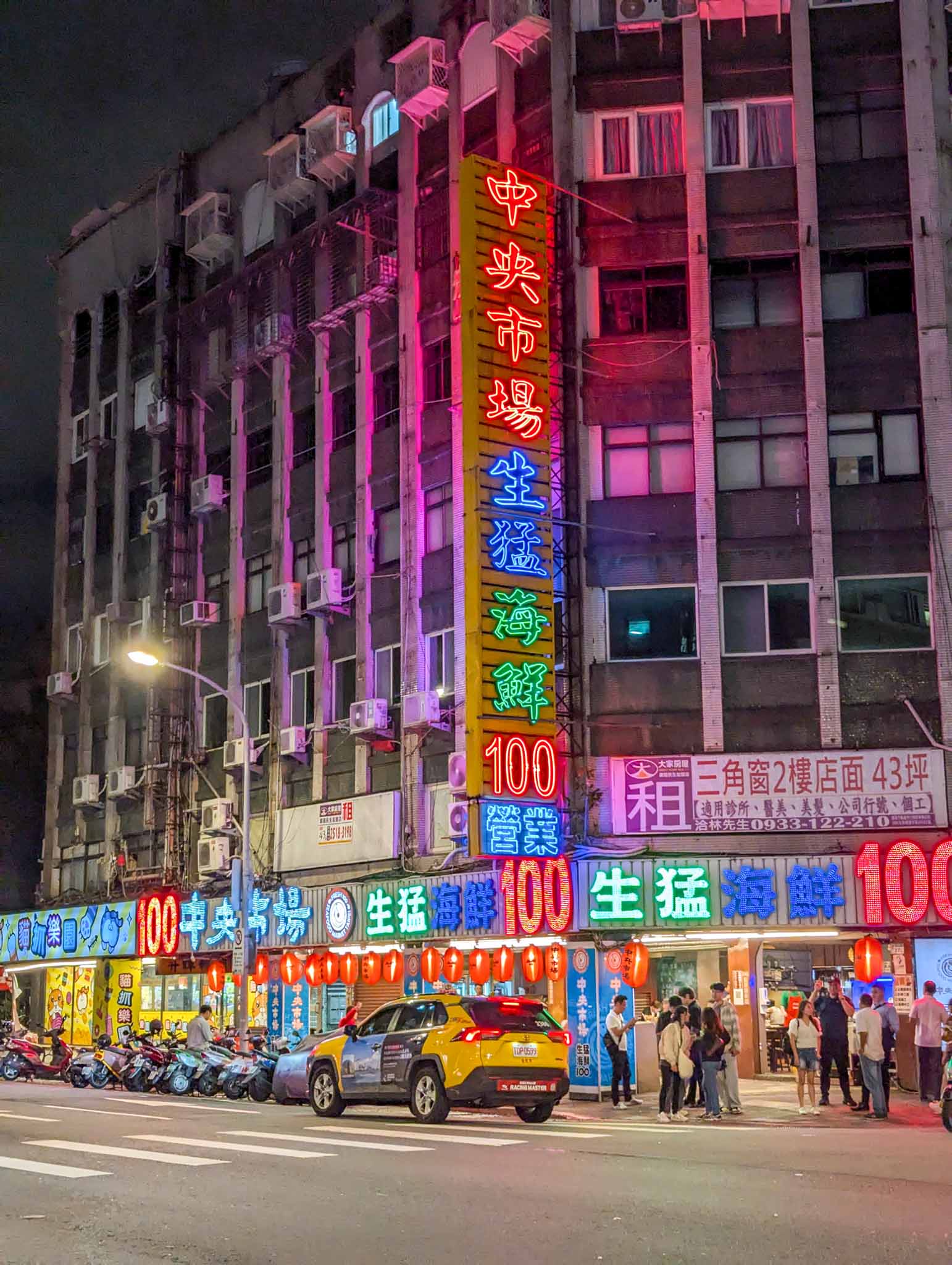
I also reconnected with Mavel, who’s been teaching English in Taipei for the past three years. She took me on two unforgettable day trips—to Jiufen, the mountain town that inspired a setting in Spirited Away, and to Shifen, where people launch candle-lit lanterns carrying written wishes into the night sky. She also introduced me to Chinese hot pot and local market food. Thank you, Mavel. Te extraño.
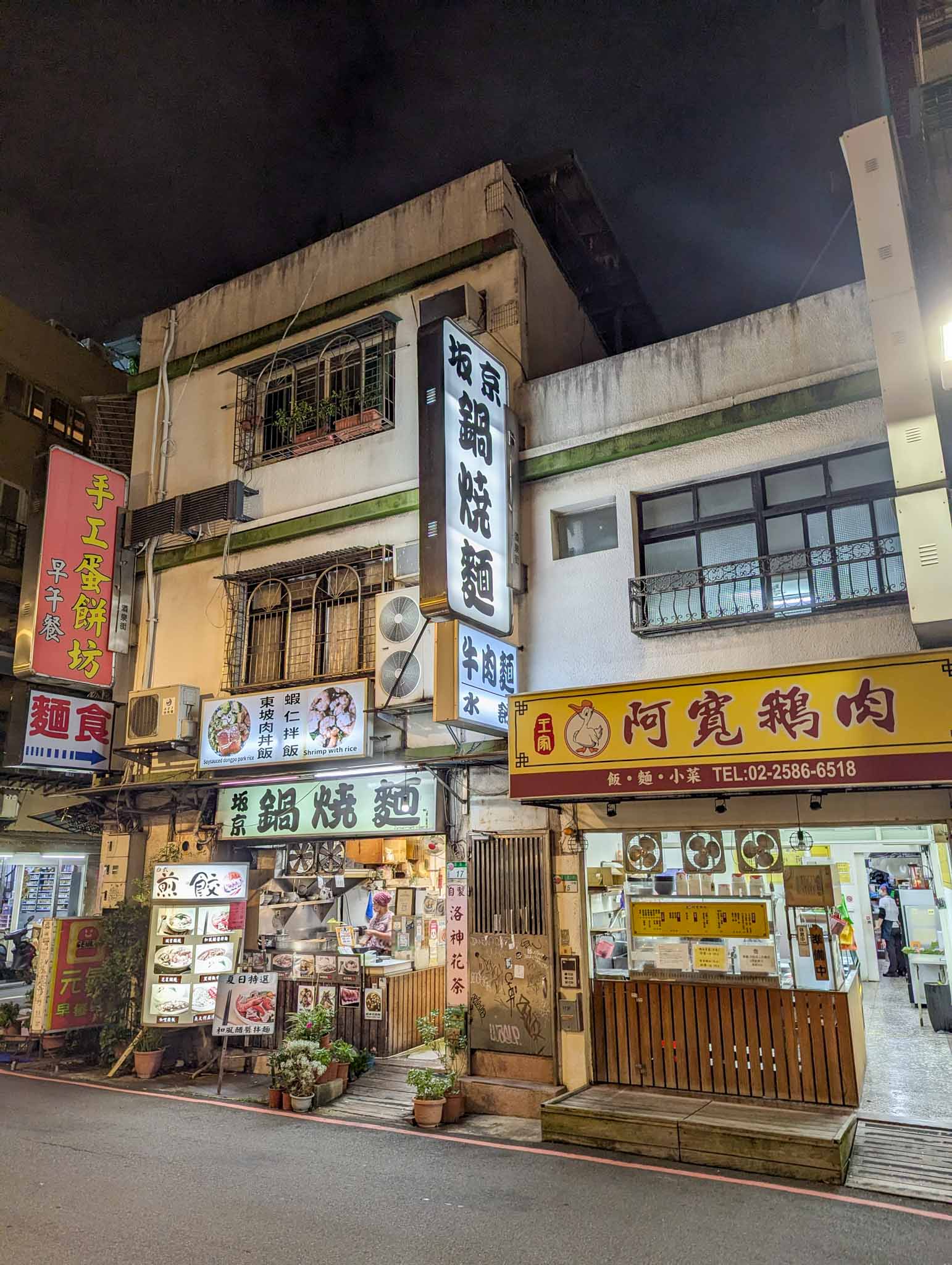
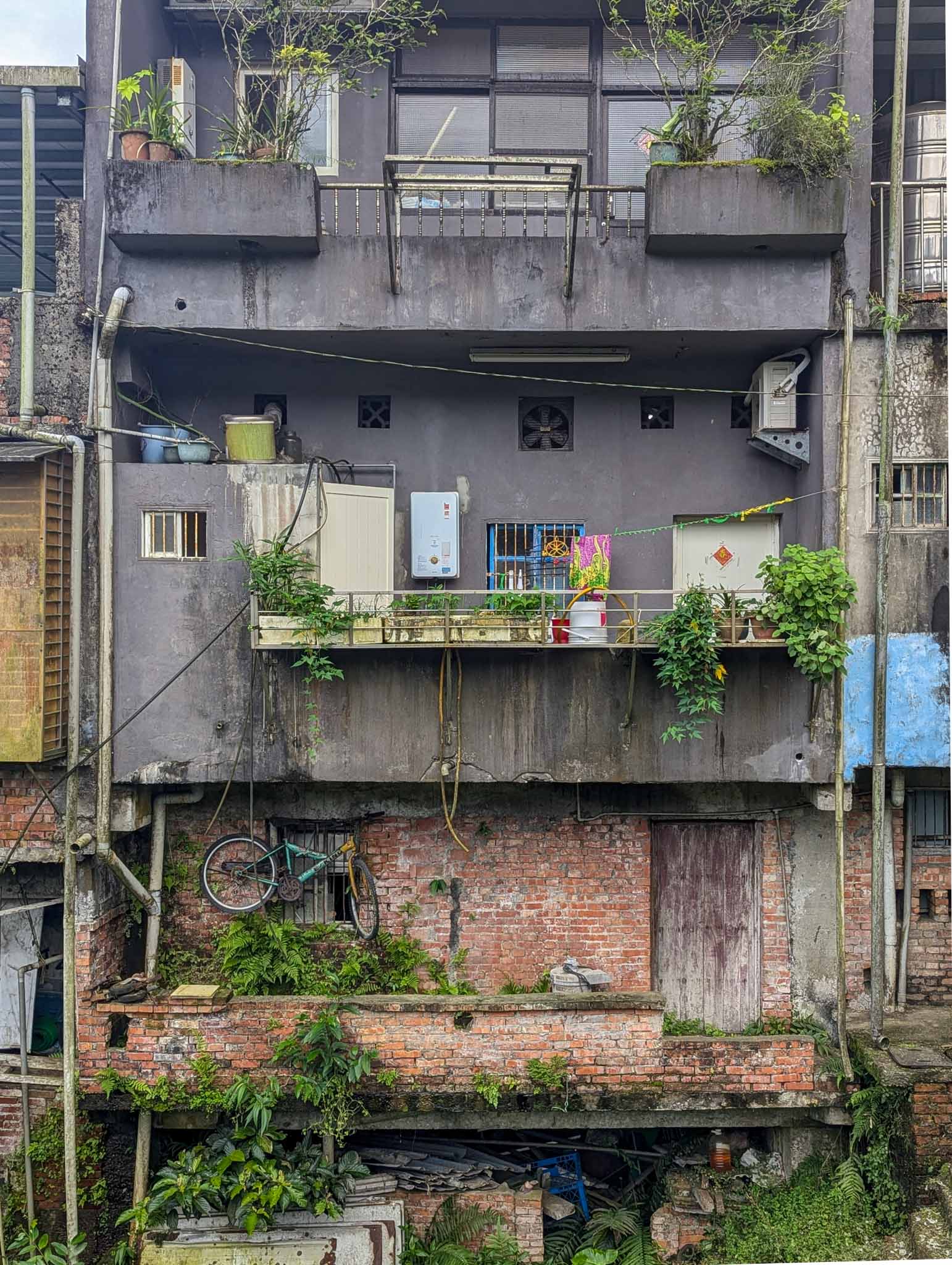
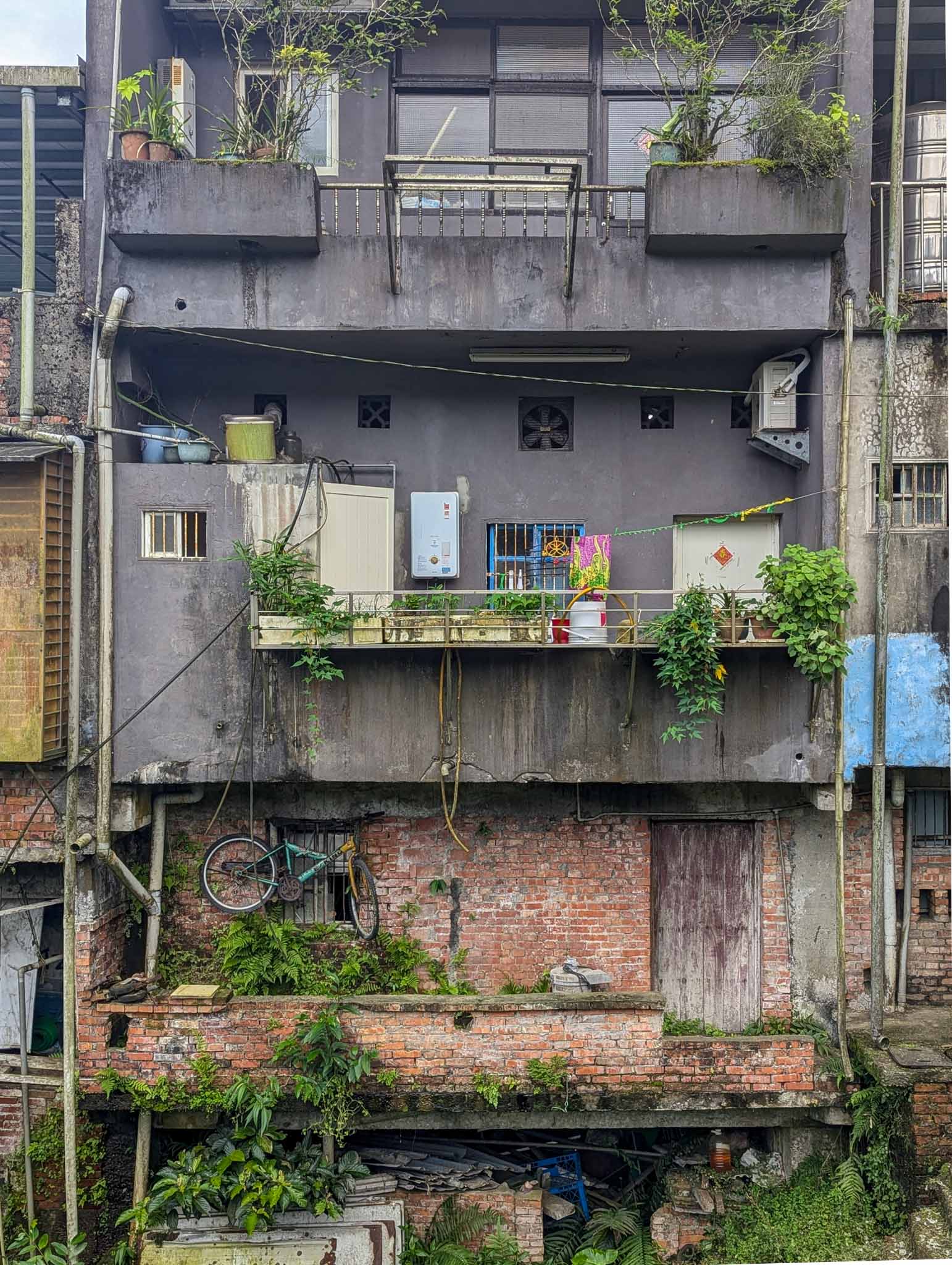
During my stay, I was also juggling a demanding project that kept me up from midnight to 6 AM one night for a six-hour Zoom call. Time zones in Asia are no joke. Like many aspects of travel, working and also living on Asian time takes practice. My time revisiting ASia during the autumn of 2024 was, in many ways, a recalibration, kocking off the rust of seven years without visiting. It’s important for me to challenge my routines — as otherwise I believe I risk becoming captive to them. Priveleged opportunity is often disregarded and wasted. I believe if we want to live fully, we should challenge those habits and reach beyond to what is possible. Comfort is a tempting trap.
And as I’ve always thought, I’m a better version of myself when I am a little uncomfortable. That hasn’t always equated to being happier, but it has been an operational strategy fit for survival and gratitude for the life I am able to live.